Investigations Officer: Role, Duties, and Career Path
TL;DR:
- Investigations officers conduct inquiries into criminal or regulatory violations by gathering evidence and interviewing witnesses. They must maintain rigorous legal and procedural standards, especially in documentation and evidence handling, to ensure admissibility in court or commissions. Their role increasingly involves digital forensics and open-source intelligence, demanding both technical skill and strict adherence to legal boundaries.
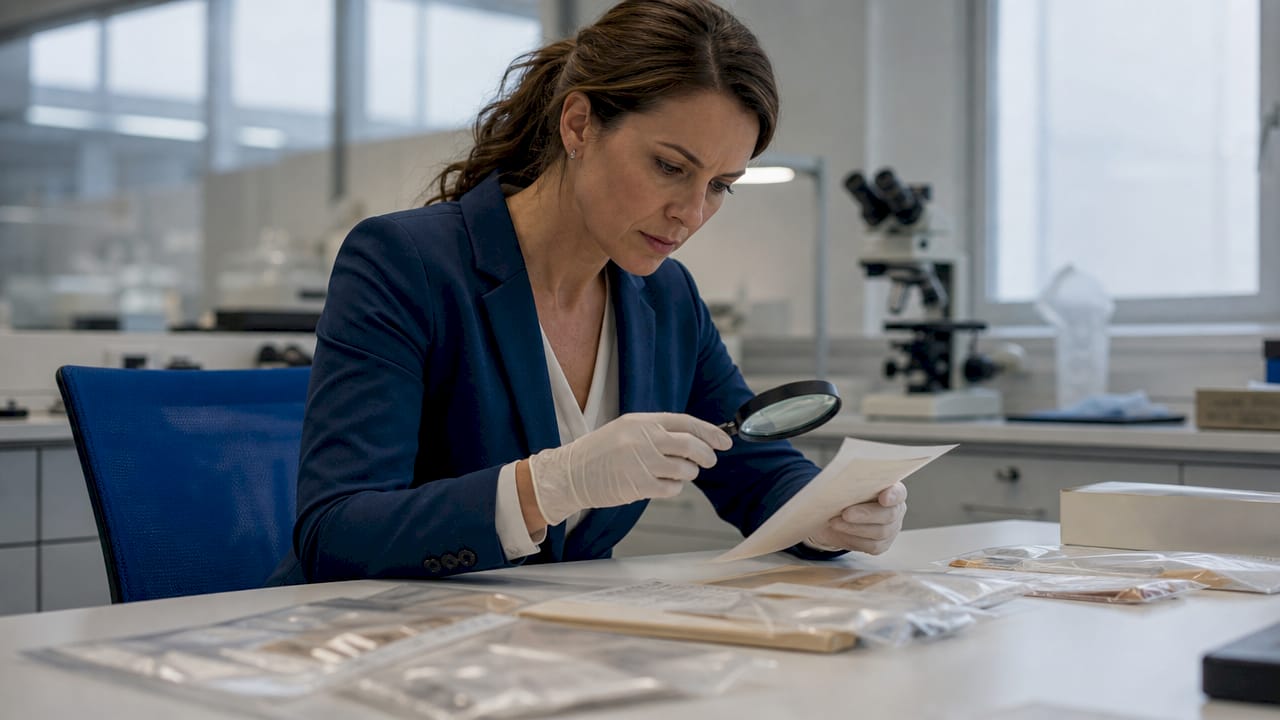
An investigations officer is a professional who conducts formal inquiries into suspected criminal or regulatory violations by gathering evidence, interviewing witnesses, and preparing official reports to support legal proceedings. The role spans federal agencies, private investigative firms, and judicial commissions. Legal professionals and citizens advocating for accountability need to understand this role clearly, because investigations officers sit at the center of every major accountability process, including inquiries like the Madlanga Commission into corruption within South Africa’s police, prosecution, and intelligence sectors.
What does an investigations officer actually do?
An investigations officer analyzes violations of penal codes and statutes, with responsibilities ranging from surveillance to preparing formal case files for prosecution. The term “criminal investigator” is the recognized industry standard for this role in federal and state agencies, though “investigations officer” is widely used across regulatory bodies, private firms, and judicial commissions. Both terms describe the same core function: building a legally defensible record of facts that can withstand scrutiny in court or before a commission.
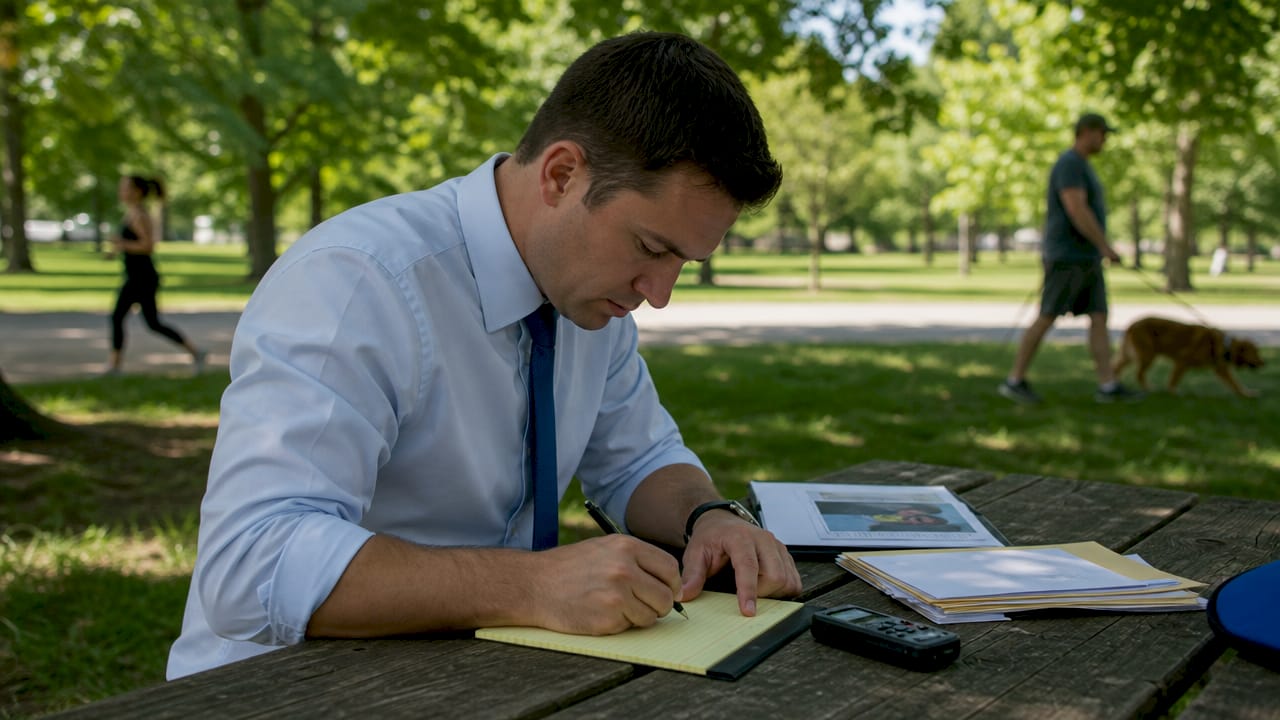
The work divides into four core functions. First, evidence collection, which includes physical evidence, digital records, and financial documents. Second, witness interviews, conducted under formal protocols to preserve admissibility. Third, surveillance and field operations, which range from physical observation to open-source intelligence gathering. Fourth, documentation and reporting, which is where most of the actual time goes. Criminal investigators spend 70–80% of their time on documentation and compliance reporting. That figure surprises most people outside the field, but it reflects a hard reality: a case built on excellent fieldwork collapses if the paperwork is incomplete or inconsistent.
What qualifications are required to become an investigations officer?
The entry requirements for this role vary significantly by sector, but several standards apply broadly across federal, state, and private investigative contexts.
Education and credentials:
- A bachelor’s degree in criminal justice, law, forensic science, or a related field is the standard minimum for federal roles.
- Many agencies accept equivalent work experience in lieu of a degree, particularly for candidates with military or law enforcement backgrounds.
- Specialized certifications, such as Certified Fraud Examiner (CFE) or Certified Protection Professional (CPP), strengthen applications for financial and corporate investigation roles.
- Private investigative agencies require state-issued licenses in most U.S. jurisdictions, and compliance with the Fair Credit Reporting Act (FCRA) is mandatory for any investigation involving consumer data.
Age and physical requirements:
Federal law enforcement agencies impose strict age limits for criminal investigators, typically between 21 and 36 years old unless veteran exemptions apply. The DEA, for example, requires applicants to be under 37 at the time of appointment. Federal investigator candidates frequently fail to progress due to these age and fitness cutoffs, which cannot be waived except for qualifying veterans. Physical fitness standards vary by agency but generally include timed runs, strength tests, and medical evaluations.
Regulatory compliance:
Candidates must demonstrate knowledge of the legal frameworks governing their jurisdiction. In the U.S., this includes federal statutes, state licensing laws, and sector-specific regulations like the FCRA. In South Africa, the Madlanga Commission’s proceedings illustrate how investigators operating within judicial inquiries must meet the evidentiary standards set by the presiding authority, including strict protocols for witness testimony and document handling. Understanding commission of inquiry powers is directly relevant for investigators working in accountability-focused roles.
What are the day-to-day duties and challenges of the role?
The daily reality of investigative work looks very different from its portrayal in popular media. The work is methodical, documentation-heavy, and often emotionally demanding.
A typical day for a criminal investigator might include:
- Reviewing case files and updating investigation logs from the previous day’s activities.
- Conducting surveillance, either physical or digital, and recording observations in real time.
- Interviewing witnesses or subjects, following formal protocols to preserve the legal value of the testimony.
- Cross-referencing evidence against existing records, including financial data, communications, and prior case files.
- Writing detailed reports that document every action taken, every piece of evidence collected, and every decision made during the investigation.
The documentation burden is the part most people underestimate. Exceptional technical writing skills are critical because poor documentation can invalidate evidence regardless of the quality of the underlying investigation. A witness interview conducted perfectly in the field means nothing if the written record is ambiguous or incomplete.
Irregular hours are standard. Surveillance operations do not follow a 9-to-5 schedule, and court deadlines create pressure spikes that compress timelines. Investigations officers also face significant emotional labor, particularly in cases involving violent crime, child exploitation, or systemic corruption. Resilience and structured stress management are not optional qualities. They are professional requirements.
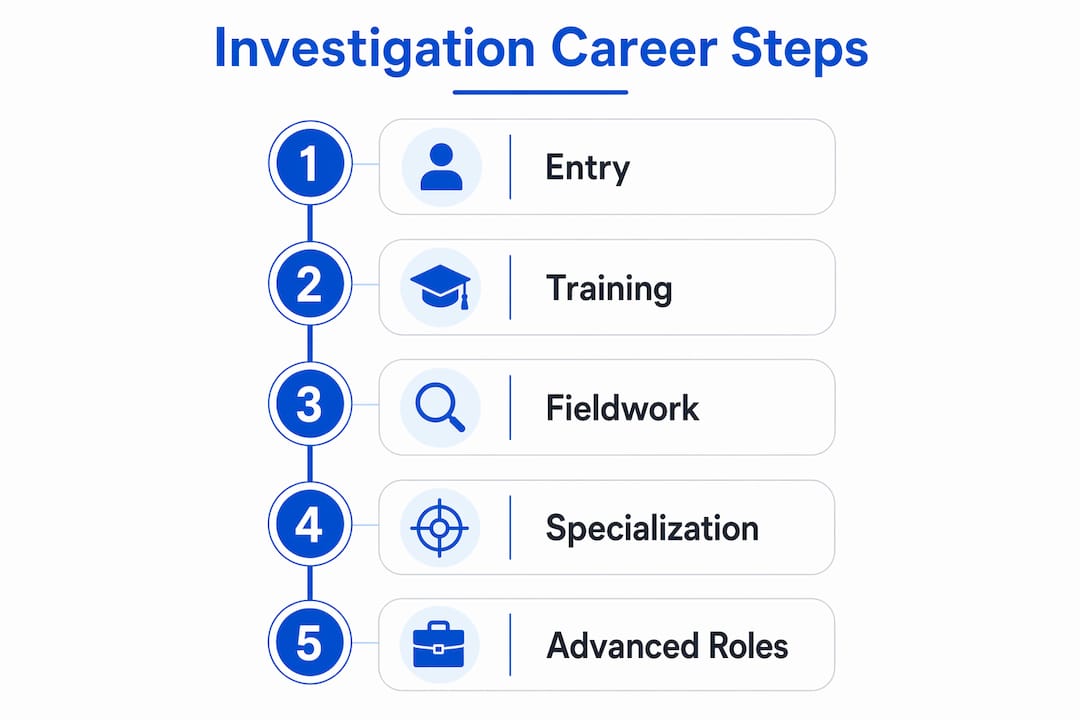
Pro Tip: Keep a running case journal separate from your official report. Note observations, hunches, and context that do not belong in formal documentation. This habit sharpens your analytical thinking and often surfaces connections that formal records miss.
The type of cases an officer handles depends heavily on the agency. Federal investigators focus on organized crime, narcotics, financial fraud, and national security. State and local investigators handle property crime, homicide, and regulatory violations. Private investigators specialize in insurance fraud, corporate misconduct, and civil matters. Judicial commission investigators, like those working within the Madlanga Commission framework, focus on systemic failures in public institutions, examining witness testimonies and documentary evidence to build a public record of misconduct.
How do investigations officers maintain legal and regulatory compliance?
Legal compliance is not a background concern for investigations officers. It is the central discipline that determines whether an investigation produces usable results.
The table below outlines the key compliance frameworks and their practical implications:
| Compliance area | Governing standard | Practical implication |
|---|---|---|
| Evidence collection | Fourth Amendment, state equivalents | Unlawfully obtained evidence is inadmissible in court |
| Consumer data investigations | Fair Credit Reporting Act (FCRA) | Investigators must follow strict permissible-purpose rules |
| Chain of custody | Agency-specific protocols | Every transfer of evidence must be logged and verified |
| Witness interviews | Rules of evidence, Miranda rights | Procedural errors can invalidate testimony |
| Private investigator authority | State licensing laws | Private investigators have no police powers and cannot detain subjects |
Private investigators operate under strict limitations and do not possess police powers, which makes legal compliance even more critical for them than for sworn officers. A private investigative firm that violates the FCRA or state licensing laws exposes its clients to legal liability and destroys the admissibility of its findings. The defensible chain of custody for all evidence is the standard that separates professional investigative work from amateur information gathering.
For investigations conducted within judicial commissions, the compliance stakes are equally high. The Madlanga Commission’s proceedings, for example, require that evidence leaders like Advocate Adila Hassim SC apply rigorous evidentiary standards to every piece of testimony and documentation entered into the public record. Failing those standards does not just weaken a case. It undermines the entire accountability process the commission exists to serve.
What modern techniques are transforming investigative work?
The investigations officer role is evolving from traditional methods toward forensic and data-driven approaches that improve both efficiency and case outcomes. This shift is not cosmetic. It changes the core skill set the role demands.
Key developments reshaping the field include:
- Open-Source Intelligence (OSINT): Investigators now cross-reference social media, public records, corporate filings, and geolocation data to build subject profiles without physical surveillance. OSINT reduces operational risk and accelerates the early stages of an investigation.
- Digital forensics: Extracting and analyzing data from devices, cloud storage, and communications platforms has become a standard investigative skill. Forensic investigators must understand data integrity principles to ensure extracted evidence remains admissible.
- Case management software: Enterprise-grade platforms allow investigators to organize evidence, track case timelines, and generate compliance-ready reports. This reduces documentation errors and improves audit trails.
- Financial intelligence analysis: Cross-referencing transaction records, beneficial ownership data, and tax filings is now central to corruption and fraud investigations. The Madlanga Commission’s case files demonstrate how financial intelligence connects individual misconduct to systemic patterns.
Private investigators rely heavily on OSINT and human intelligence gathering, but must maintain a strictly defensible chain of custody for all evidence. The technology does not change the legal standard. It changes the speed and scale at which investigators can meet it.
Pro Tip: Before deploying any OSINT technique, verify that your jurisdiction’s privacy laws permit the specific data collection method you plan to use. What is publicly accessible is not always legally usable as evidence.
A successful investigations officer must balance data-driven techniques with strict ethical and legal boundaries. The investigators who struggle with modern tools are usually not failing on the technical side. They are failing to apply the same legal discipline to digital evidence that they apply to physical evidence.
Key Takeaways
An investigations officer’s effectiveness depends equally on fieldwork quality and legally defensible documentation, because evidence that cannot withstand procedural scrutiny has no value in court or before a commission.
| Point | Details |
|---|---|
| Documentation is the core skill | Investigators spend 70–80% of their time on reports; poor writing invalidates strong fieldwork. |
| Strict entry requirements apply | Federal roles require applicants to be between 21 and 36 years old, with fitness and background standards. |
| Legal compliance governs everything | FCRA, chain of custody rules, and licensing laws determine whether evidence is admissible. |
| Technology expands capability | OSINT and digital forensics accelerate investigations but require the same legal discipline as physical evidence. |
| Accountability commissions set the standard | Bodies like the Madlanga Commission show how rigorous evidentiary standards apply in systemic corruption inquiries. |
Why this role matters more than most people realize
I have spent years studying accountability failures in law enforcement and judicial systems, and the pattern is consistent: when investigations collapse, it is rarely because the underlying facts were absent. It is because the officer who gathered those facts did not meet the procedural standard required to make them count.
The investigations officer role carries a burden that most professional roles do not. Every decision made in the field, every note written, every piece of evidence handled, creates a permanent record that either supports or undermines the entire case. That is a different kind of pressure than most jobs impose. The average salary for criminal investigators in the U.S. is about $93,809 per year. That figure reflects the specialization required, but it does not capture the weight of the responsibility.
What I find most underappreciated is the writing requirement. Aspiring investigators focus on surveillance techniques, interview skills, and legal knowledge. Very few focus on technical writing with the same intensity. That is a mistake. The report is the investigation, as far as a court or commission is concerned. If you want to work in this field, treat documentation as a primary skill, not an administrative afterthought.
The Madlanga Commission illustrates this at scale. The Commission’s public record shows how investigators who testify, including figures like Warrant Officer Karl Sander, a Hawks narcotics investigator, are subjected to rigorous examination of both their methods and their documentation. The quality of their written records determines how much weight their testimony carries. That is the standard every investigations officer should hold themselves to, regardless of the context they work in.
— Meriol Lainchyon
The Madlanga Commission as a resource for understanding investigations
The Madlanga Commission of Inquiry provides one of the most detailed public records of investigative work in the South African context. Its hearings cover criminal infiltration, political interference, and corruption across police, prosecution, and intelligence agencies.
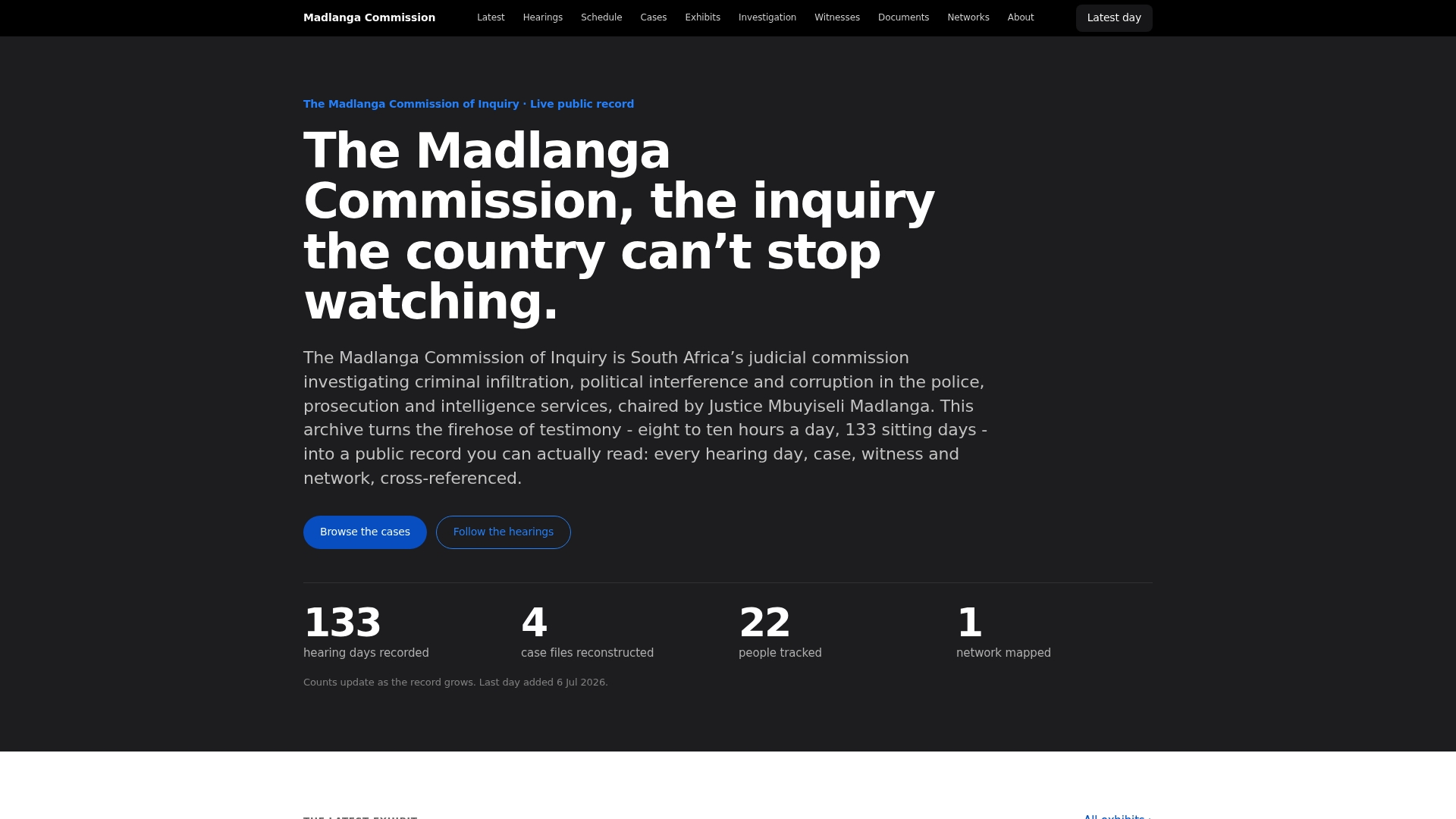
For legal professionals and citizens who want to understand how investigations officers operate within accountability frameworks, the Commission’s archive is a direct window into real investigative practice. The Commission’s methodology explains how evidence is sourced, verified, and entered into the public record, which mirrors the standards any professional investigator must meet. The full case files document how evidence gathered by investigators translates into formal findings. If you are studying investigative standards, building a legal argument, or advocating for accountability in law enforcement, the Commission’s archive gives you the primary source material to do it properly.
FAQ
What is the difference between an investigations officer and a private investigator?
An investigations officer typically works within a government agency, regulatory body, or judicial commission and may hold sworn law enforcement powers. A private investigator operates under state licensing laws, has no police powers, and must comply with statutes like the FCRA when handling consumer data.
How long does it take to become a criminal investigator?
Most federal criminal investigator roles require a four-year degree plus relevant work experience, meaning candidates typically need at least four to six years of preparation before qualifying for entry-level positions.
What disqualifies a candidate from federal investigator roles?
Age is the most common disqualifier. Federal agencies like the DEA require applicants to be between 21 and 36 years old at appointment, and this cutoff cannot be waived except for qualifying veterans.
Why does documentation matter so much in investigations?
Courts and commissions evaluate evidence based on how it was collected and recorded, not just what it shows. Poor documentation can render strong physical or digital evidence inadmissible, regardless of its factual value.
What is OSINT and how do investigations officers use it?
OSINT stands for open-source intelligence, which refers to information gathered from publicly available sources such as social media, corporate filings, and public records. Investigations officers use OSINT to build subject profiles and corroborate physical evidence, but must verify that their specific collection methods comply with local privacy laws.