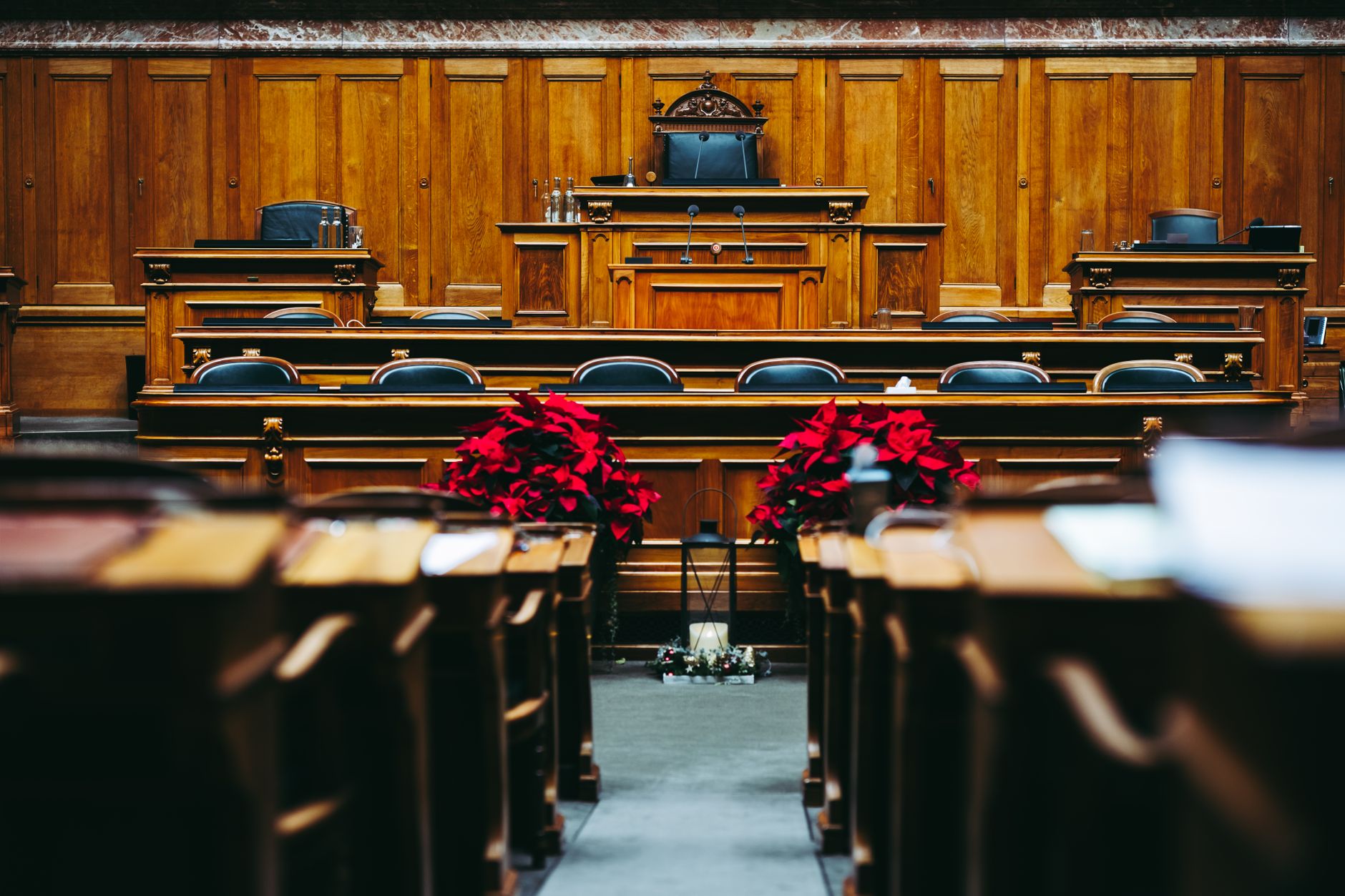
If you want to know who appears at madlanga commission today, you must check the official daily hearing schedules published by the commission secretariat. Witnesses typically include law enforcement officials, politicians, and whistleblowers. The exact lineup changes daily based on legal availability and ongoing investigations.
The stakes are high because these testimonies expose systemic corruption, state capture, and police misconduct in South Africa. This guide covers the current witness lists, the legal framework of public inquiries, and how you can track daily proceedings. You can also review the Madlanga Commission ruling 20260604 for recent legal precedents. Understanding the daily roster helps you follow the narrative of accountability. You see the evidence unfold in real time. You track the pressure on implicated officials. You witness the courage of whistleblowers.
What is the Madlanga Commission?
The Madlanga Commission is a judicial commission of inquiry established to investigate allegations of corruption and maladministration in South Africa. It operates under the guidance of Commissioner Mbuyiseli Madlanga. The commission gathers evidence, subpoenas documents, and calls witnesses to testify under oath. You can learn more about the legal structure by reading about what is a commission of inquiry.
Commissions of inquiry derive their power from the Commissions Act of 1947. They act as an extension of the judicial branch. They do not prosecute criminals directly. They establish facts. They make recommendations. They refer matters for prosecution. The South African Human Rights Commission often monitors these proceedings to ensure human rights are upheld during investigations. This oversight prevents abuses of power. It protects vulnerable witnesses. It ensures the process remains fair.
The Madlanga Commission specifically targets systemic failures in public institutions. It looks at procurement fraud. It examines political interference. It investigates the theft of state resources. The commission holds public hearings to ensure transparency. You can attend these hearings in person. You can watch them on public broadcasts. You can read the transcripts online. The process is designed to be open. Secrecy breeds corruption. Public scrutiny forces accountability.
How are witnesses scheduled to appear?
Witnesses are scheduled based on investigative priorities, evidence availability, and legal representation readiness. The evidence leaders identify a gap in the timeline. The secretariat issues a formal summons or invitation. The witness confirms their legal representation. The schedule is updated and published.
The process is highly structured. Evidence leaders drive the schedule. They review the evidence collected. They decide who needs to clarify the record. They issue a Summons to compel attendance. A summons is a legal order. You cannot ignore it. Ignoring a summons is a criminal offense. The witness then secures Legal representation. Lawyers need time to review the evidence. They consult with their clients. They prepare for cross-examination. The Secretariat manages the logistics. They book the venue. They arrange the audiovisual equipment. They publish the daily schedule.
You can track these schedules through official documents. For example, you can review the Madlanga witness order 07052026 to see how the commission structures its calls. You can also check when the Madlanga resumes 07042026 to understand the pacing of the hearings. The Department of Justice and Constitutional Development oversees these administrative processes. They ensure the commission has the resources it needs. They manage the budget. They handle the security arrangements.
Pro Tip: Always verify the daily schedule on the official judiciary portal before attending, as last-minute postponements happen frequently.
What types of witnesses testify before the commission?
Witnesses testifying before the commission generally fall into three categories: whistleblowers, implicated officials, and subject matter experts. Whistleblowers provide firsthand accounts of corruption. Implicated officials defend their actions or clarify their roles. Subject matter experts explain complex financial or legal documents.
Whistleblowers are the foundation of many inquiries. They risk their careers to expose the truth. They provide Firsthand accounts of meetings, decisions, and transactions. Their testimony often triggers deeper investigations. Implicated officials face intense scrutiny. They must explain their signatures on documents. They must justify their decisions. They often shift blame. They claim ignorance. They cite policy ambiguities. Subject matter experts provide context. Forensic accountants trace money flows. Legal experts explain regulatory frameworks. They make complex schemes understandable to the public.
You can see how these testimonies shape the final reports. Cross-reference expert testimonies with the Madlanga second interim 29052026 report to see how their input shaped the findings. The Corruption Watch tracks these witness categories closely. They analyze the testimony. They publish reports on the systemic failures revealed. They advocate for policy changes based on the evidence.
| Witness Type | Primary Role | Evidence Provided |
|---|---|---|
| Whistleblower | Exposing misconduct | Firsthand accounts, internal documents |
| Implicated Official | Defending actions | Emails, approval memos, policy directives |
| Expert Witness | Clarifying complexity | Financial audits, forensic analysis |
"Commissions of inquiry are essential tools for uncovering systemic corruption and holding public officials accountable." - Corruption Watch
Pro Tip: Cross-reference expert testimonies with the interim reports to see how their input shaped the final findings.
How can the public access daily transcripts and rulings?
The public can access daily transcripts and rulings directly through the official commission website and the national government gazette. You visit the official document portal. You navigate to the specific date of the hearing. You download the PDF transcript or ruling. You check the government gazette for formal extensions.
Access to information is a constitutional right in South Africa. The commission facilitates this by publishing Daily transcripts. These are verbatim records of the proceedings. They capture every question and every answer. They include the exhibits presented. They record the objections raised. The commission also publishes Rulings. Rulings are legal decisions made by the commissioner. A ruling might compel a witness to answer a question. A ruling might protect a witness from self-incrimination. You must also monitor the Government gazette. The gazette publishes the legal notices. It announces the establishment of the commission. It announces extensions of the mandate. The Document portal is the central repository. It organizes the evidence chronologically. It categorizes the documents by theme.
You can set up alerts for the Gov gazette commission ext to catch any changes to the commission's mandate. The Parliament of South Africa debates these transcripts during oversight sessions. Parliament uses the findings to amend laws. Parliament uses the findings to initiate impeachment proceedings. Parliament holds the executive accountable based on the evidence gathered.
Pro Tip: Set up alerts for the government gazette to catch any changes to the commission's mandate or timeline.
Key Takeaways
Tracking who appears at the Madlanga Commission requires monitoring official schedules and understanding the witness categories. You must use the official portals to verify information. You must read the transcripts to understand the context. You must follow the legal rulings to see how the inquiry evolves.
| Point | Details |
|---|---|
| Daily Schedules | Published by the secretariat and subject to change. |
| Witness Types | Include whistleblowers, implicated officials, and experts. |
| Access | Transcripts are available on the official portal. |
| Legal Framework | Governed by the Commissions Act and constitutional mandates. |
| Oversight | Monitored by human rights and anti-corruption bodies. |
You can review the Madlanga commission record 20260601 day110 ruling for a detailed example of how the commission documents its daily progress.
What I've learned from tracking public inquiries
I have spent years tracking public inquiries in South Africa. I learned that the truth often hides in the dry pages of daily transcripts. You must read between the lines. The most damning evidence usually comes from minor officials, not the political heavyweights. A clerk who processed a fraudulent payment knows more than the minister who approved the policy.
Patience is your greatest asset when following these proceedings. You cannot rush justice, but you can document every step. The process is slow. There are delays. There are legal challenges. There are political interferences. You must stay focused. You must verify every claim. You must cross-reference the testimony with the documentary evidence. I realized that public inquiries are not just about finding guilt. They are about creating a public record. They are about ensuring history remembers what happened.
, Kagiso Molefe
Madlanga Commission helps you track the truth
The Madlanga Commission helps you track the truth with our free daily witness tracker tool. You can search by date, witness name, or topic. This tool aggregates public records so you never miss a crucial testimony.  You can also read our latest updates on the statement Madlanga Commission to continue focus on seizure and theft of drugs ah. Our platform simplifies the legal jargon. We highlight the key revelations. We connect the dots between different testimonies. We empower you to hold power accountable.
FAQ
Who can be called to testify?
Any person with relevant information can be called to testify. The commission issues summonses to individuals regardless of their rank or position. The Judiciary of South Africa ensures these processes comply with legal standards.
Are the hearings open to the public?
Most hearings are open to the public. However, the commission may hold certain sessions in camera to protect witnesses or sensitive information. This protects the integrity of the ongoing investigation.
What happens if a witness lies under oath?
Lying under oath constitutes perjury. The commission can refer the matter for criminal prosecution. The witness faces a potential prison sentence if convicted in a court of law.
How long do witnesses typically testify?
Witness testimony varies. Some witnesses testify for a few hours, while others may be cross-examined for several days. The length depends on the complexity of the evidence and the number of legal representatives involved.
Can the public submit evidence?
Yes, the public can submit evidence. You must follow the formal submission guidelines provided by the commission secretariat. The evidence leaders will review the submission and decide if it warrants a formal hearing.