Madlanga Commission hearing record
Day 119 of the Madlanga Commission
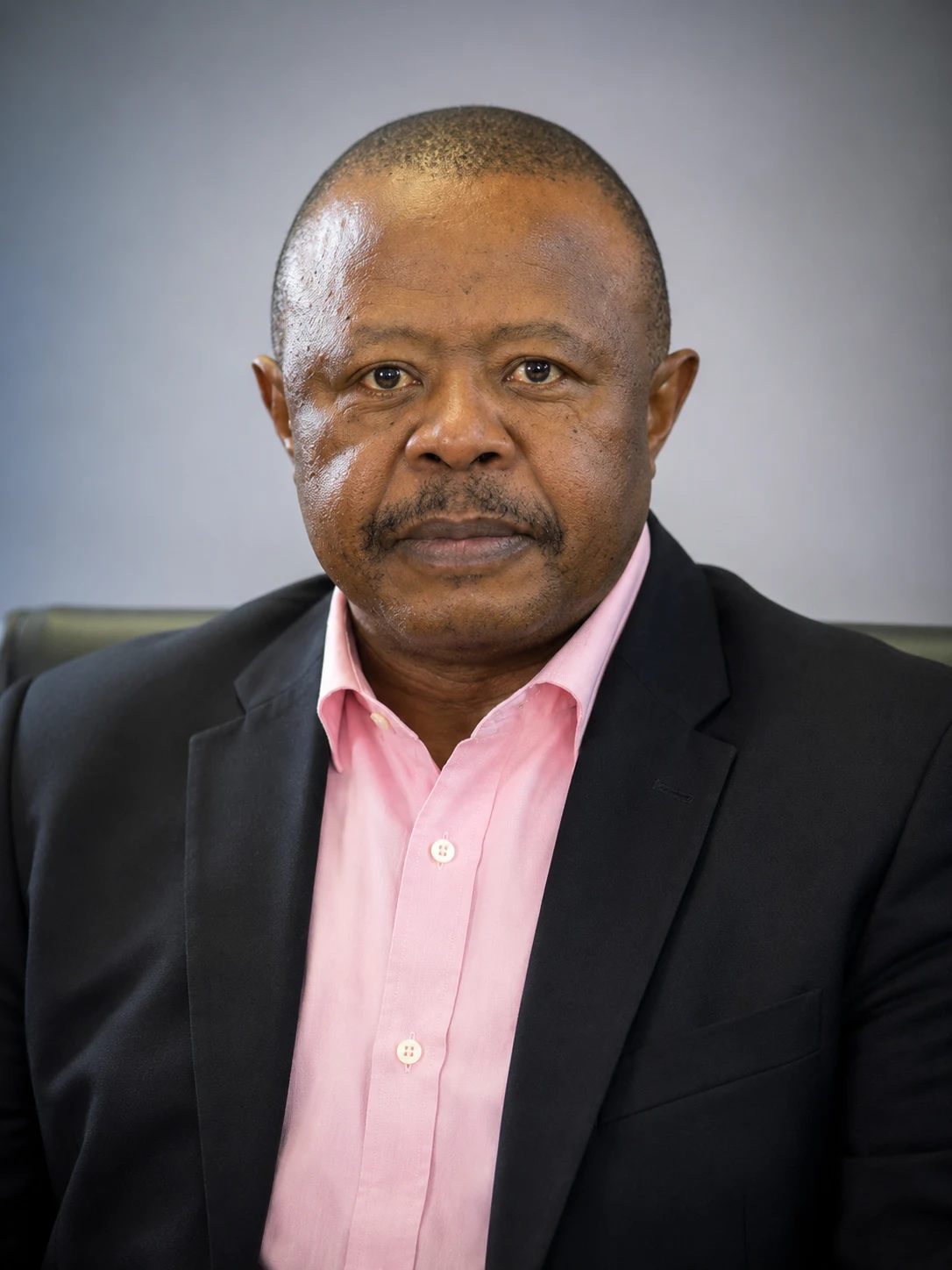
Witness: Samuel Mashaba
Evidence led by Advocate Terry Motau SC (lead evidence leader), Advocate Teboho Mosikili
On his second day in the chair Mashaba's evidence unravelled to the point that Justice Madlanga told him to his face he was 'being untruthful'.
The day in brief
What you need to know
- Cross-examination continued into the funded relationship between Mashaba and Tumelo Nku, and IOL reported that Mashaba was confronted over what it called evasive testimony.
- Messages before the commission reportedly touched on the late Deputy President David Mabuza and Gauteng MEC Faith Mazibuko, widening the circle of names attached to the Aeroton narrative.
- Mashaba conceded he did not report the July 2021 drug-bust operation through official SAPS channels before taking part, despite accepting that standard operating procedures required it.
- SABC News reported that Mashaba was also questioned over 2021 Telegram messages to the alleged drug informer, adding a second messaging platform to the paper trail.
- Chairperson Madlanga told Mashaba directly, 'you are being untruthful', a rare and pointed intervention from the bench.
- The two days of Mashaba's evidence set up the appearances of Nku and of protected witnesses who would give a sharply different account of the same events.
Full coverage
The day, in depth
Evasion meets the record
IOL reported that Mashaba was confronted over evasive testimony as evidence leaders returned to the contradictions between his statements and his messages. Where Day 118 established the gap, Day 119 pressed on whether Mashaba could explain it - and, in the commission's assessment, he could not.
Names in the thread
The messages placed before the commission reportedly referenced the late Deputy President David Mabuza and Gauteng MEC Faith Mazibuko. Their appearance in the chat trail does not implicate them in wrongdoing, but it signalled how far the Aeroton contacts allegedly reached beyond the operational officers.
Procedure bypassed
Mashaba admitted he had not logged the operation through official SAPS channels before participating, while conceding that the standard operating procedures required exactly that. For a seizure of this size, that concession went to the heart of whether the bust was ever a properly authorised police action.
The chairperson intervenes
As his account came apart, Justice Madlanga told Mashaba he was 'being untruthful'. EWN had trailed that the traffic chief would continue presenting evidence on the Aeroton bust; by the close of his testimony the credibility question had been answered from the bench itself.
In their words
Key moments from the record
“You are being untruthful.”
Our analysis
The bottom line
A commission chairperson telling a witness he is being untruthful is not a finding of criminal guilt, but it is about as clear a signal as the process gives that testimony has failed. Coming from a retired Constitutional Court justice, the remark reframed Mashaba's evidence from contested to actively disbelieved on the record.
The admission that the operation skipped official SAPS authorisation may prove more consequential than the messaging itself. It suggests the Aeroton bust was run outside the ordinary command and paperwork that exist precisely to protect chain of custody - the same weakness that recurs across the drug-bust strands the commission is examining.
Fairness cuts both ways here. The names surfacing in the chat trail, including public figures, are context and not accusation, and everyone named remains entitled to the presumption of innocence. The sharper takeaway is institutional: when an operation of this scale runs on private funding and informal channels, the state loses the audit trail long before anyone has to explain where the cocaine went.
Analysis is the archive’s own comment on the public proceedings, grounded in the record above. It weighs the evidence and the process; questions of individual guilt are for the courts and the commission to decide. Everyone named is presumed innocent.
On the record
Who testified this day
Follow the threads
Who Samuel Mashaba connects to
Itumeleng 'Tumelo' Nku
Nku tipped Mashaba to the Durban cocaine truck and, the commission heard, made payments to him; their WhatsApp chats drove the cross-examination in which Madlanga told Mashaba he was 'being untruthful'. Nku testified on 25-26 June 2026 (Days 126-127). Untested allegations.
View profile →Accuses of taking creditMajor-General Feroz Khan
Mashaba testified that Khan tried to take credit for the Aeroton bust and did not get the briefing from his team. Khan denies wrongdoing; untested allegations.
View profile →Same Aeroton sceneWitness I
Both were present in connection with the 2021 Aeroton bust and gave evidence on the disputed control of the scene and senior-officer interference.
View profile →Same investigationLieutenant Colonel Nkoana Joseph Sebola
Sebola's evidence matched a 'General Mashaba of Hawks' contact in Tumelo Nku's saved screenshots to Mashaba by cellphone number.
View profile →In the room & on the record
Counsel, the panel and sources
Evidence led by
- Advocate Terry Motau SC (lead evidence leader)
- Advocate Teboho Mosikili
On the panel
- Justice Mbuyiseli Madlanga (chairperson)
- Advocate Sesi Baloyi SC
- Advocate Sandile Khumalo SC