Madlanga Commission hearing record
Day 120 of the Madlanga Commission
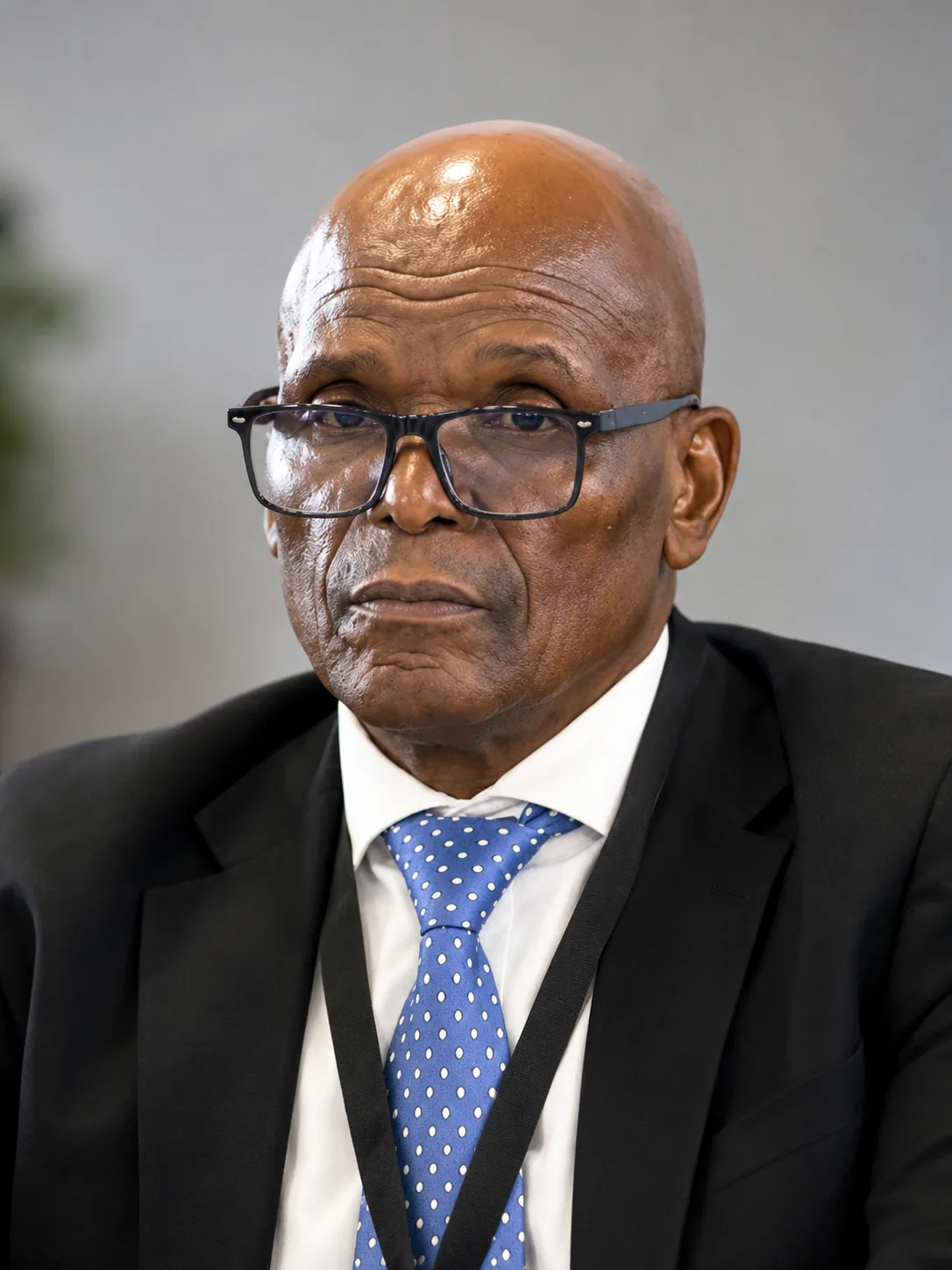
Witness: Brigadier Campbell Nyuswa
Evidence led by Advocate Terry Motau SC (lead evidence leader), Advocate Teboho Mosikili
KZN Hawks brigadier Campbell Nyuswa told the commission he thought R200m of cocaine was safe because General Senona held both keys to the safe - and admitted he should have disclosed that sooner.
The day in brief
What you need to know
- Brigadier Campbell Nyuswa, provincial commander of the Hawks' Serious Organised Crime unit in KwaZulu-Natal, gave evidence on the November 2021 theft of 541kg of cocaine, valued at about R200 million, from the Hawks' Port Shepstone premises.
- Nyuswa testified that Major-General Lesetja Senona approved storing the seized drugs at Port Shepstone and then asked that both the original and the spare safe keys be handed to him.
- He said he believed the cocaine would be secure precisely because Senona held the keys and the strong-room could not be breached without detection - a belief the subsequent theft exposed as misplaced.
- News24 reported Nyuswa's admission that he should have disclosed earlier that Senona held the keys to the cocaine safe, a concession that sharpened scrutiny of the senior officer.
- Nyuswa said Senona instructed that retired Lieutenant Colonel Jakobus Prinsloo obtain the spare key from supply chain management, placing the key's movement squarely inside the command chain.
- He also defended deploying Lieutenant Colonel Kwazikwakhe Sibiya, drawn from the human-trafficking unit, to a major narcotics scene, and evidence leaders questioned the lawfulness of aspects of the Port Shepstone seizure itself.
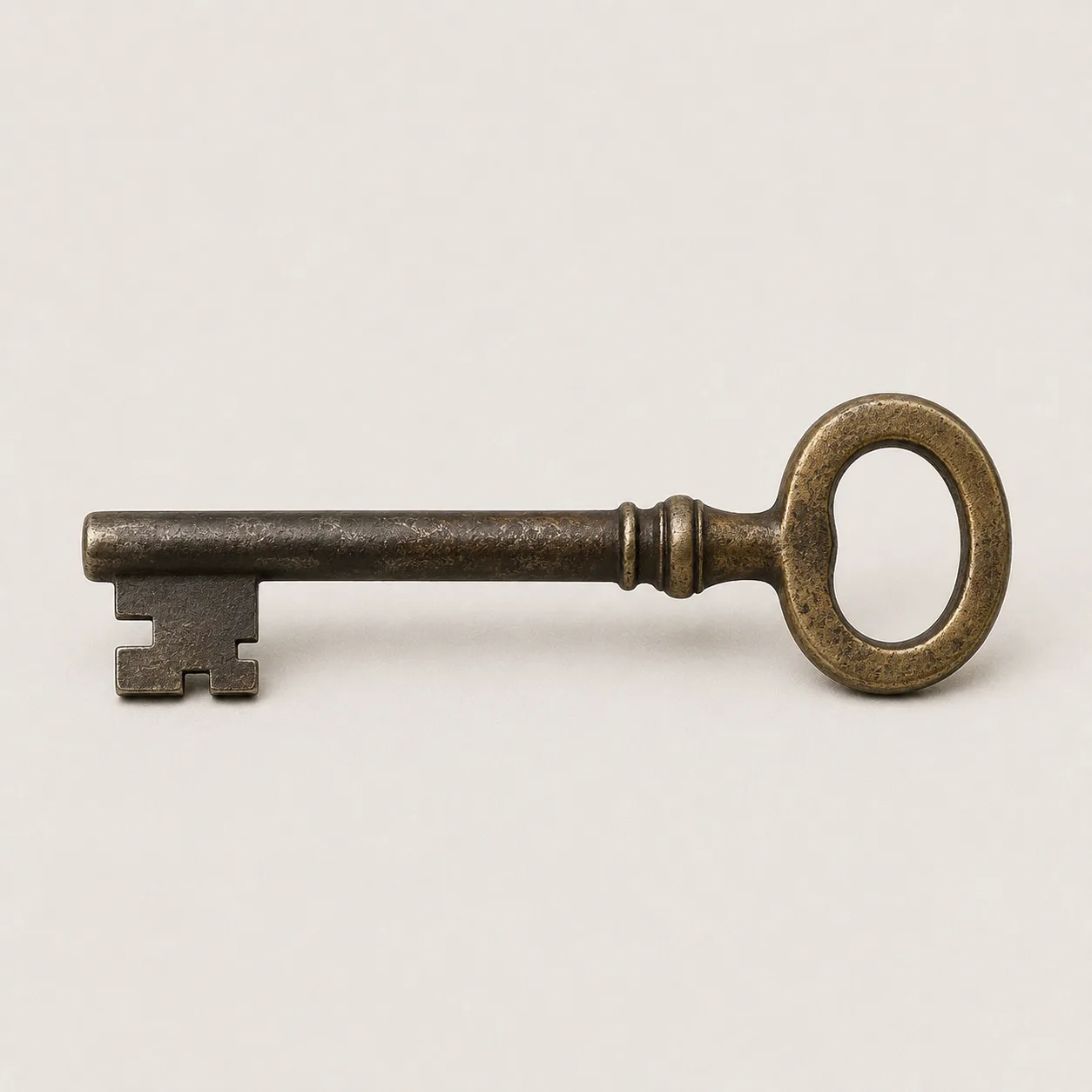
- The safe key from the Port Shepstone strong-room features as an archive exhibit, a plain object standing in for the custody failure at the heart of the case.
Full coverage
The day, in depth
Who held the keys
The core of Nyuswa's evidence was custody. He testified that Senona both approved the Port Shepstone storage and then collected both sets of keys to the safe. IOL reported Nyuswa's position that he thought the R200m consignment would be safe because Senona had the keys - the security assumption that later collapsed when the drugs went missing.
A concession on disclosure
News24 reported that Nyuswa admitted he should have disclosed sooner that Senona held the keys to the cocaine safe. For a witness pointing responsibility up the chain of command, conceding his own delay in flagging that fact was a notable moment, and it fed directly into the questions Senona would face two days later.
The spare key and the command chain
Nyuswa said that, on Senona's instruction, retired Lieutenant Colonel Jakobus Prinsloo was to obtain the spare key from supply chain management. The Daily News reported that Nyuswa's evidence placed Senona's knowledge of security issues at Port Shepstone before the heist, tightening the timeline around senior officers.
Deployments and lawful conduct
Nyuswa defended sending Lieutenant Colonel Kwazikwakhe Sibiya, from the human-trafficking unit, to the drug scene. The Citizen reported that officers were also grilled over allegedly unlawful conduct in the Port Shepstone seizure, with the cross-examination line captured as 'you comply now and complain later'.
Our analysis
The bottom line
Where the Aeroton strand is about a bust that may never have been properly authorised, the Port Shepstone strand is about what happened to drugs after they were seized - and Nyuswa's evidence turned the spotlight onto custody and control. His account, that Senona held both keys, is significant because it locates the last clear line of responsibility for the safe at a senior level. It does not, by itself, establish how the cocaine left the building.
Senona is entitled to the presumption of innocence and told the commission, two days later, that no security threats were reported to him. That direct conflict of accounts is the commission's to resolve. Our reading is narrower: Nyuswa's own admission that he was slow to disclose the key arrangement is a reminder that pointing up the chain and having clean hands are not the same thing, and the panel will weigh both officers' candour.
The recurring theme across these drug-bust days is that the state's controls failed at the mundane points - a key, a store-room, a form not filed. Whatever the ultimate findings on individual conduct, 541kg of evidence vanishing from a police facility is a systems failure first, and the human questions of who benefited follow from that.
Analysis is the archive’s own comment on the public proceedings, grounded in the record above. It weighs the evidence and the process; questions of individual guilt are for the courts and the commission to decide. Everyone named is presumed innocent.
On the record
Who testified this day
Follow the threads
Who Brigadier Campbell Nyuswa connects to
Colonel Gavin Jacob
Jacob called Nyuswa about the seizure after Isipingo SAPS and the lab could not store the drugs.
View profile →Names over the keysMajor General Lesetja Senona
Nyuswa testified Senona approved Port Shepstone and then took both the original and spare safe keys.
View profile →Tasked with the spare keyLieutenant Colonel Jakobus Prinsloo (retired)
On Senona's instruction, Nyuswa says Prinsloo was to obtain the spare key from supply chain management.
View profile →Deployed to the sceneLieutenant Colonel Kwazikwakhe Sibiya
Nyuswa defended sending Sibiya, from the human-trafficking unit, to the major drug scene.
View profile →Exhibits
Objects from this testimony
In the room & on the record
Counsel, the panel and sources
Evidence led by
- Advocate Terry Motau SC (lead evidence leader)
- Advocate Teboho Mosikili
On the panel
- Justice Mbuyiseli Madlanga (chairperson)
- Advocate Sesi Baloyi SC
- Advocate Sandile Khumalo SC
Sources
- News24 - Hawks brigadier admits he should have disclosed Senona held keys to cocaine safe (17 June 2026) ↗
- IOL - 'Senona had keys': Nyuswa thought R200m drugs would be safe (17 June 2026) ↗
- Daily News - Brigadier Nyuswa reveals Senona's knowledge of security issues before cocaine heist (17 June 2026) ↗
- The Citizen - 'You comply now and complain later': Cop grilled over 'unlawful' conduct in Port Shepstone cocaine seizure ↗