Madlanga Commission hearing record
Day 142 of the Madlanga Commission
A KwaZulu-Natal warrant officer answers for a bungled R200 million cocaine bust: a Durban container seizure where, the commission hears, the scene was not secured, the drugs were not bagged, and the records did not add up - before the haul was later stolen from a police store.
The day in brief
What you need to know
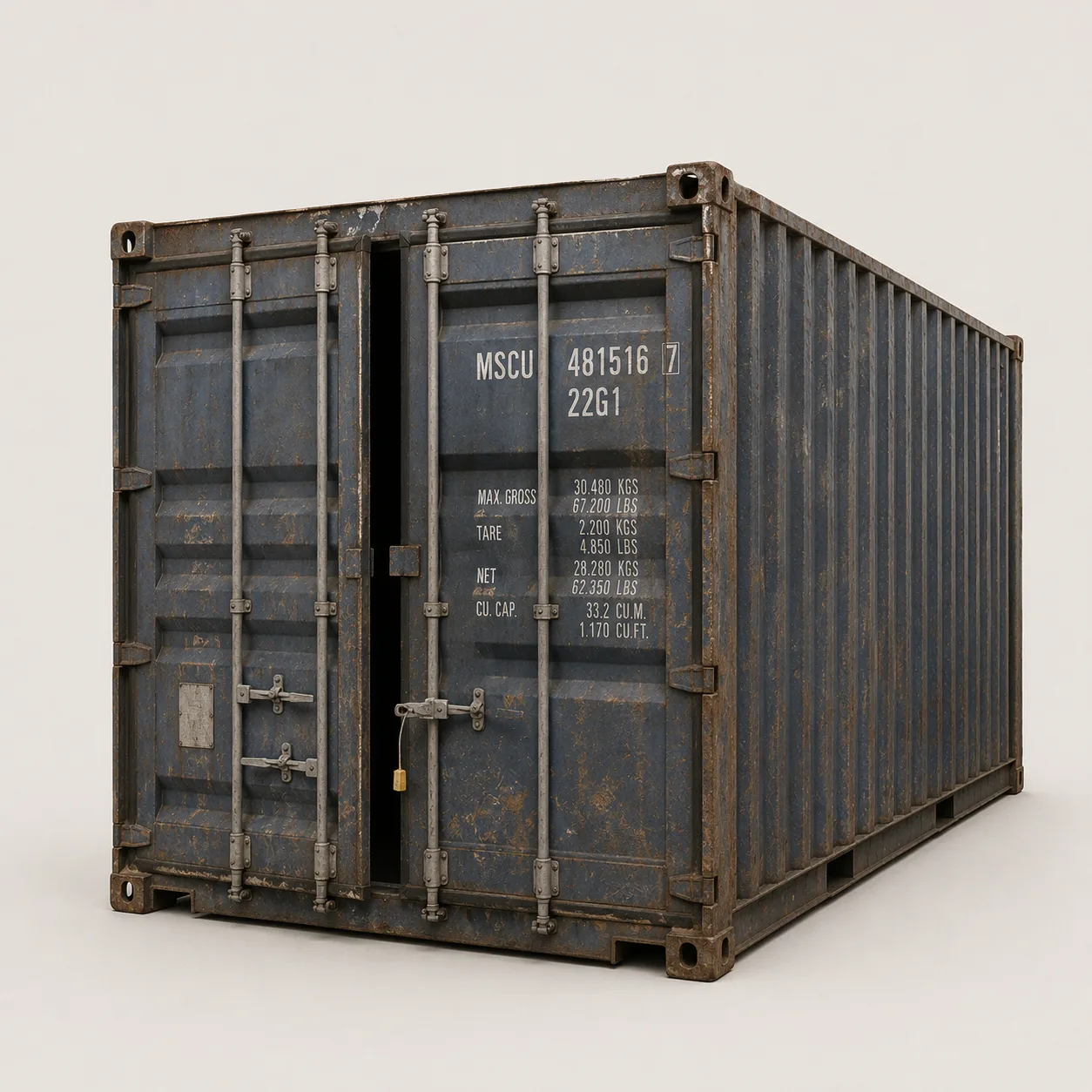
- Warrant Officer Mbongeleni Felix Mpangase, a KwaZulu-Natal SAPS officer, testified on the June 2021 operation that recovered more than 540kg of cocaine - street value about R200 million - from a shipping container that arrived at Durban port from Brazil and was intercepted at a depot in Isipingo.
- Commissioners accused him of making false or misleading entries in official records connected to the seizure.
- The commission heard the scene was not properly secured, the cocaine was not stored in evidence bags, and the consignment was moved to a facility more than 100km away.
- Mpangase conceded he had no previous experience of large-scale container drug interceptions and that mistakes were made, but insisted he was following his superiors' orders and had no criminal intent.
- The cocaine was later stolen from a Hawks storage facility, amid allegations officials may have colluded with traffickers - the same saga the in-camera 'Witness M' is testifying about.
Full coverage
The day, in depth
The bust, and the container from Brazil
The Madlanga Commission returned to a recurring theme of the inquiry - not the seizing of drugs, but what happens to them afterwards. Warrant Officer Mbongeleni Felix Mpangase, a KwaZulu-Natal-based SAPS officer, gave evidence on the June 2021 operation that intercepted more than 540 kilograms of cocaine, with a street value put at about R200 million, concealed in a shipping container that had arrived at Durban port from Brazil and was stopped at a depot in Isipingo. It is one of the major cocaine cases the commission has tied to the same trafficking pattern - the pattern the anonymous 'Witness M' is testifying about behind closed doors.
A comedy of errors
The commissioners took Mpangase through a catalogue of failures. They put it to him that the crime scene was not properly secured; that the cocaine was not stored in evidence bags as procedure requires; that entries in official police records were false or misleading; and that the consignment was moved to a facility more than 100 kilometres from the site of the bust. Each of these is the kind of lapse that, in a drug case, can be the difference between a conviction and a collapse - and, more troublingly, the kind that can create the opportunity for a haul to go missing.
'Just following orders'
Mpangase's defence was that he was out of his depth and following instructions. He conceded he had no previous experience of large-scale container drug interceptions despite being assigned to the operation, and accepted that mistakes had been made. But he maintained that he acted on the orders of his superiors and that there was no criminal intent on his part - the same 'following orders' account the commission has heard from more than one junior officer caught up in the handling of these seizures.
Where it leads: the haul that vanished
The reason a bungled evidence trail matters here is what came next. The commission has heard that the cocaine was later stolen from a Hawks storage facility, amid allegations that officials may have colluded with drug traffickers to make the theft possible. That is the thread that connects this day's dry procedural detail - unbagged drugs, false diary entries, a consignment moved 100km away - to the larger allegation at the heart of the inquiry: that parts of the police did not just fail to protect seized drugs, but helped them disappear. Those allegations are untested, and Mpangase is not charged; the full case file is linked below.
In their words
Key moments from the record
“I was following the instructions of my superiors.”
Our analysis
The bottom line
It would be easy to file this under incompetence and move on. The commission did not, and neither should we. In a drug case the chain of custody is the case: an unsecured scene, drugs that are never bagged, records that do not match and a haul moved 100km away are not just sloppiness - they are precisely the conditions under which a consignment can be spirited out of police custody and no one held to account.
Mpangase's 'following orders' defence is credible as far as it goes - a junior officer with no container-interception experience should not have been carrying the decisions here - but it also points upward. If the failures were ordered or tolerated from above, the interesting question is not what the warrant officer wrote in a diary, but who put him in that position and why. That is the thread the commission is pulling, and it runs directly into the closed-door evidence of Witness M.
Analysis is the archive’s own comment on the public proceedings, grounded in the record above. It weighs the evidence and the process; questions of individual guilt are for the courts and the commission to decide. Everyone named is presumed innocent.
In the room & on the record
Counsel, the panel and sources
Sources
- IOL - Madlanga Commission exposes inconsistencies in Hawks officer's cocaine evidence (18 Jul 2026) ↗
- EWN - Madlanga Commission hears how major drug bust was handled by inexperienced police officers (18 Jul 2026) ↗
- African Insider - Hawks officer tells Madlanga Commission he lacked experience in cocaine bust ↗