Madlanga Commission hearing record
Day 64 of the Madlanga Commission
Witness: Lieutenant-General Shadrack Sibiya
Under sustained pressure, Sibiya makes a series of concessions: that he took control of key task-team dockets and let them sit uninvestigated, that he used an unapproved plan to disband the unit, and that a confidential police document he shared could have reached alleged crime boss Vusimuzi 'Cat' Matlala.
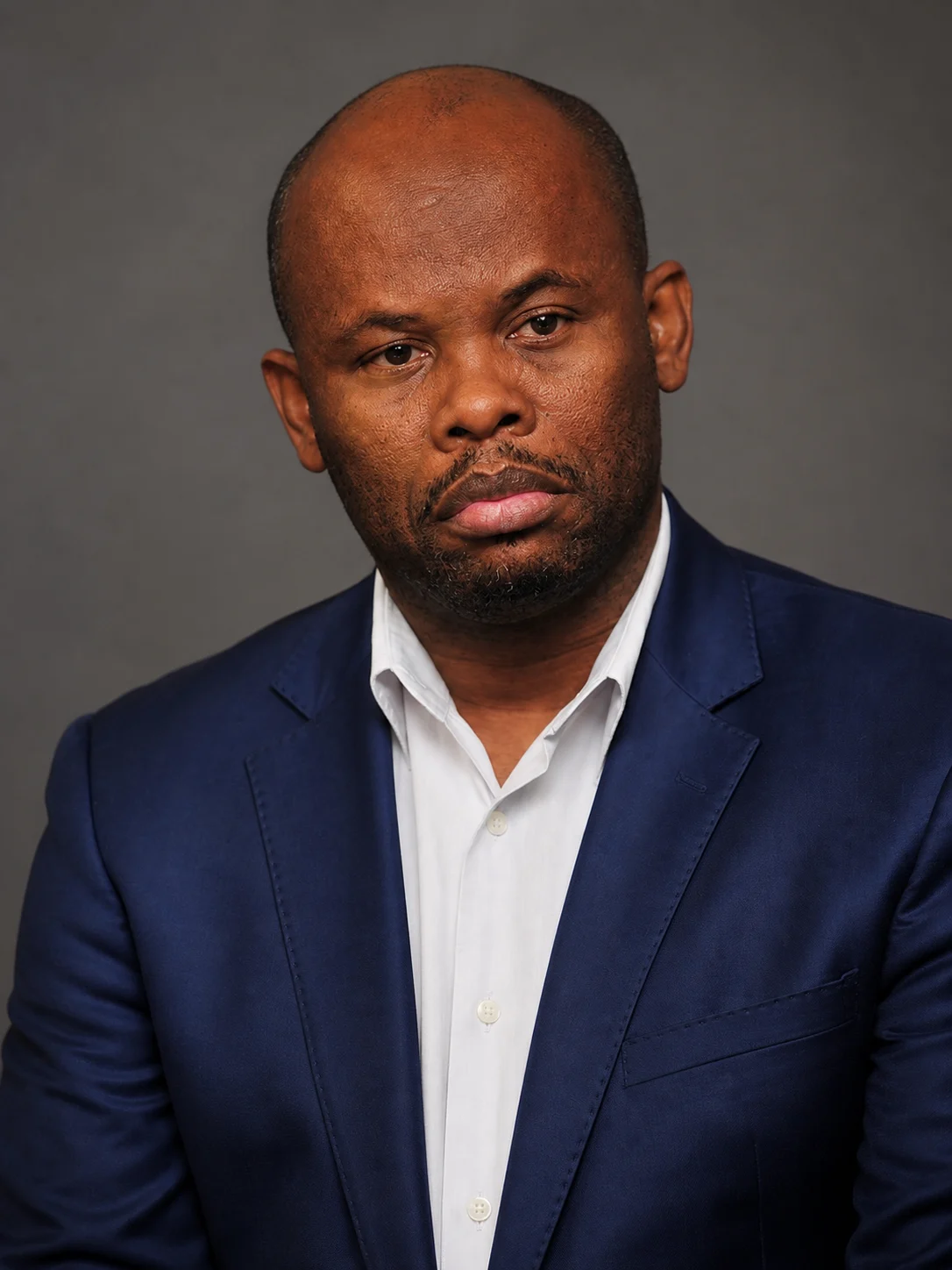
The day in brief
What you need to know
- IOL reported that Sibiya was forced to come clean and admitted to interference in the SAPS during this day of testimony.
- He conceded taking control of all the crucial Political Killings Task Team dockets, including matters already on the court roll, and allowing them to gather dust in his office, uninvestigated for about three months.
- Sibiya admitted using an unauthorised implementation plan to disband the elite unit, deviating from the approved action plan for winding down the provincial and national task team.
- He conceded knowing a taxi-industry figure described in questioning as dangerous, a link the commission probed for its bearing on his impartiality.
- Sibiya admitted a confidential police document he shared with his right-hand man, Sergeant Fannie Nkosi, could have ended up in the hands of alleged crime boss Vusimuzi 'Cat' Matlala.
- The commission had already heard evidence that Matlala allegedly made payments to Sibiya and to other senior officers, giving the document concession added weight.
- The concessions are admissions on specific points of conduct; they are not, in themselves, a finding of criminal guilt, and Sibiya remains presumed innocent.
Full coverage
The day, in depth
Admissions on the dockets and the disbandment
IOL reported that Sibiya was forced to come clean, conceding that he had taken control of all the crucial task-team dockets, including those on the court roll, and allowed them to gather dust uninvestigated for roughly three months. He also admitted deploying an unauthorised implementation plan to disband the unit, contradicting the approved strategy for winding it down.
The leaked document and Matlala
Sibiya conceded that a confidential police document he had shared with his right-hand man, Sergeant Fannie Nkosi, could have reached alleged crime boss Vusimuzi 'Cat' Matlala. The concession landed against a backdrop of earlier evidence that Matlala allegedly made payments to Sibiya and other top officers, and it sharpened questions about how sensitive material moved out of official channels.
A dangerous acquaintance
During the same run of questioning, Sibiya conceded knowing a taxi-industry figure characterised in evidence as dangerous. The commission pressed the acquaintance for what it might say about his conduct and associations while in senior office.
Our analysis
The bottom line
Day three was the turning point of Sibiya's appearance. The concessions he made were not peripheral: admitting that court-roll dockets sat uninvestigated for months goes to the core of the commission's central worry, which is that the machinery meant to solve politically linked killings was deliberately slowed. Coupled with the admission that he used an implementation plan outside the approved process, the day moved the disbandment story from contested allegation toward conceded fact on several key points.
The document concession is more delicate and deserves careful framing. Sibiya admitted that sensitive material could have reached Matlala, not that he intended it to, and an admission of possibility is not proof of a corrupt purpose. That distinction matters for fairness, and the presumption of innocence stays with him. Even so, when a senior officer concedes that confidential police information may have flowed toward a man the commission has heard is an alleged crime boss, the concession itself is significant regardless of intent, because it speaks to how porous the boundary between the service and the networks it was meant to police had become.
Taken together, the day illustrated why the commission relied on the paper trail rather than on competing narratives. Each concession followed from a document or a timeline that Sibiya could not comfortably explain away. The value of the exercise for the public record is that it converted several disputed claims into admissions on the record, even as the ultimate questions of motive and liability remain for others to determine.
Analysis is the archive’s own comment on the public proceedings, grounded in the record above. It weighs the evidence and the process; questions of individual guilt are for the courts and the commission to decide. Everyone named is presumed innocent.
Follow the threads
Who Lieutenant-General Shadrack Sibiya connects to
Serge Cabonge
On 13 October 2026 the state played roughly twenty-five minutes of a call between businessman Serge Cabonge and the complainant's father at Sibiya's bail application. On it Cabonge denies ever having collected money from Vusimuzi 'Cat' Matlala to pass to Sibiya, alleges that the two dealt with each other through suspended Sergeant Fannie Nkosi, and alleges that Sibiya threatened him. The commission has said it will obtain Cabonge's statement. Sibiya denies the allegations; none of it has been tested and both are presumed innocent.
View profile →The sergeant whose evidence became his charge sheetSergeant Fannie Nkosi
Suspended Sergeant Fannie Nkosi, the witness the official record for Day 78 names as Witness F, testified in March 2026 that Sibiya raised no objection to gifts from Vusimuzi 'Cat' Matlala, including 20 live impala said to have reached his farm in March 2024, and that Sibiya pressured him to share Musa Khawula's warrant of arrest with Matlala. Sibiya denies both, and per SABC News denied instructing Witness F to share that warrant. Two of the seven counts on his SAPS disciplinary charge sheet concern Nkosi directly: sharing confidential information with him without the national commissioner's authorisation, and allegedly promising him a promotion or a placement in a narcotics project. Untested; both men are presumed innocent.
View profile →The businessman said to have protected himStuart James Scharnick
Crime Intelligence head Lieutenant-General Dumisani Khumalo told the commission in November 2025 that Scharnick acted as Sibiya's personal protector while not employed by the SAPS, and that Sibiya frequently used a vehicle Scharnick owned. Sibiya has said he did not know Scharnick had had run-ins with the law; Scharnick denies being a bodyguard and says he lent Sibiya an armoured vehicle after the police withdrew his protection. Untested; both presumed innocent.
View profile →Subject of his allegationsLieutenant-General Nhlanhla Mkhwanazi
Mkhwanazi named Sibiya among the senior officers he alleged interfered with investigations.
View profile →Co-named over the disbandmentSenzo Mchunu
Both were named in connection with the weakening of the political killings task team.
View profile →Distinct person, same surnameLieutenant Colonel Kwazikwakhe Sibiya
Not to be confused with Lieutenant-Colonel Kwazikwakhe Sibiya, a junior officer witness in the R200m cocaine matter - a different person.
View profile →Distinct person, similar surnameMajor-General Richard Shibiri
Often confused: Lt-Gen Shadrack Sibiya (suspended deputy national commissioner) is not Maj-Gen Richard Shibiri (dismissed Organised Crime head) - different people, different surnames.
View profile →Alleged gifts; Matlala refused to answerVusimuzi 'Cat' Matlala
Sergeant Fanie Nkosi testified in March 2026 that Sibiya raised no objection to gifts from Matlala, including 20 live impala said to have been delivered to Sibiya's farm in March 2024. Asked about the recording on Day 160, Matlala said 'I do not want to incriminate myself because I know that the recordings are under investigation'. Untested; Sibiya denies wrongdoing and is presumed innocent.
View profile →Zoom out
Related case files
Medicare24 SAPS tender
A R360 million police medical tender, about R228 million paid, a web of alleged funders - and a central accused who pleaded guilty, then withdrew the deal and now heads to trial.
Read the case file →Case file - Political interferenceKhan-Malema-Sayed network
A crime intelligence general, a cigarette businessman, and a political leader - the Nyatlo affidavit traces an alleged network of mutual protection spanning police contracts, parliamentary questions, and a private complainant's home address.
Read the case file →In the room & on the record