Madlanga Commission hearing record
Day 71 of the Madlanga Commission
Witness: Major-General Richard Shibiri
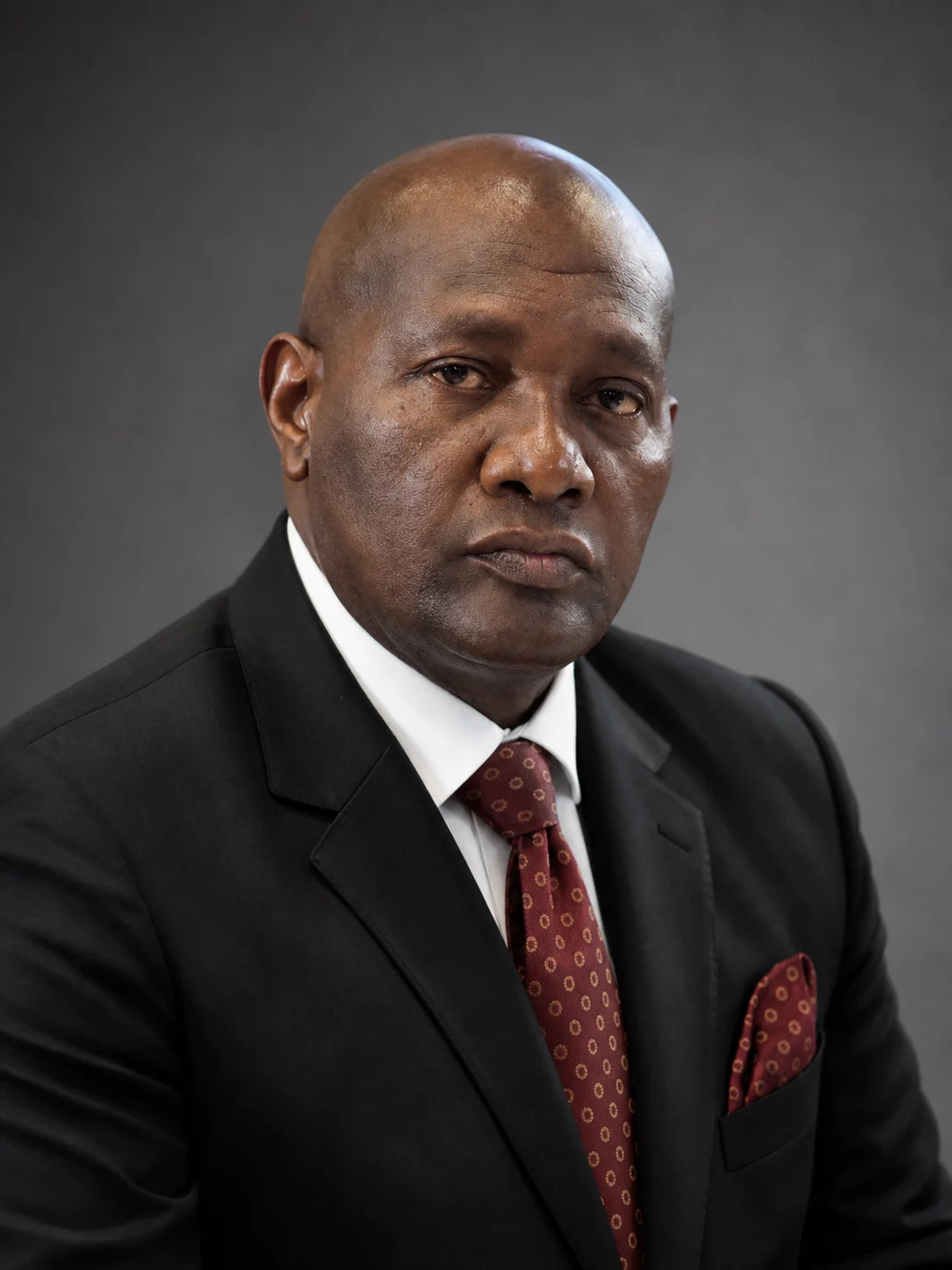
SAPS organised-crime general Richard Shibiri was questioned over money he received from Vusimuzi 'Cat' Matlala, which he characterised as a loan he had since repaid - an account the commission openly doubted.
The day in brief
What you need to know
- Major-General Richard Shibiri, a senior SAPS organised-crime figure, faced questioning about money he received from alleged crime boss Vusimuzi 'Cat' Matlala.
- Shibiri described the money as a loan and said he had repaid it, telling the commission the arrangement traced back to a September 2024 engagement party for the son of suspended deputy national commissioner Shadrack Sibiya.
- He said he settled the debt by selling two cattle for R20,000 in cash in November 2024 and transferring a further R50,000 from his Absa account into an account provided by Matlala in late December.
- Evidence leaders pressed the credibility of that account, noting Shibiri and his son held over R105,000 between them and questioning why he would need to borrow.
- Bank records reportedly showed roughly R22,000 spent at Gucci and Louis Vuitton in Sandton after the money came in.
- Justice Madlanga suggested the repayment may have followed police closing in on Matlala rather than any ordinary loan settlement; Shibiri's characterisation of the money as a repaid loan remains his account and is not a proven finding.
- Shibiri is entitled to the presumption of innocence; the commission's questions test his version and do not establish guilt.
Full coverage
The day, in depth
The loan Shibiri says he repaid
Shibiri admitted receiving money from Matlala but insisted it was a loan he had paid back. He traced the origin to a 14 September 2024 engagement party for the son of suspended deputy national commissioner Shadrack Sibiya. His stated repayment method - cash from selling cattle plus an electronic transfer - became a focus of scrutiny.
Credibility under pressure
The commission questioned why Shibiri would borrow at all, given evidence that he and his son together held more than R105,000. Reporting noted bank statements showing about R22,000 spent at Gucci and Louis Vuitton in Sandton after he received the funds. Justice Madlanga put it to Shibiri that he may have repaid Matlala only once police were closing in.
A pattern the commission is probing
Shibiri's evidence sits within a broader line of inquiry into how officers allegedly came into Matlala's orbit through gifts, loans and favours. Later coverage framed his account as part of a wider study of how relationships with Matlala took shape. The commission is testing whether such transactions were innocent or compromising.
In their words
Key moments from the record
“It was easier for me.”
Our analysis
The bottom line
The Shibiri testimony crystallised a question that runs through much of the commission's police-facing evidence: when a senior officer takes money from a man later accused of serious crimes, does the label 'loan' survive contact with the surrounding facts. Shibiri offered a specific, checkable story - cattle sold, an account transfer, a party as the occasion - and specificity can cut both ways, because it invites exactly the documentary testing the commission applied.
None of this amounts to a finding. Shibiri's version is that the money was borrowed and repaid, and he is entitled to have that weighed rather than dismissed. But the chairperson's own observation - that repayment appeared to track the police net tightening around Matlala - shows why the commission is unlikely to accept the loan framing at face value. The value of the day is in the tension it lays bare between an innocent explanation and the timeline around it.
Analysis is the archive’s own comment on the public proceedings, grounded in the record above. It weighs the evidence and the process; questions of individual guilt are for the courts and the commission to decide. Everyone named is presumed innocent.
On the record
Who testified this day
Follow the threads
Who Major-General Richard Shibiri connects to
Vusimuzi 'Cat' Matlala
Per SABC News and eNCA, the affidavit omissions the commission recalled Matlala on Day 165 (24 August 2026) to account for included Shibiri's name. The allegations remain untested and Shibiri is presumed innocent.
View profile →Named in his account of interferenceLieutenant Colonel Nkoana Joseph Sebola
Sebola told the commission a caller naming himself 'Brigadier Shibiri' asked him to resolve the Aeroton bust 'amicably'; Shibiri is the prominent officer of that surname before the inquiry.
View profile →Distinct person, similar surnameLieutenant-General Shadrack Sibiya
Often confused: Shibiri (Organised Crime, dismissed) is not Lt-Gen Shadrack Sibiya (suspended deputy national commissioner) - different people, different surnames.
View profile →In the room & on the record
Counsel, the panel and sources
On the panel
Sources
- Daily Maverick - SAPS' organised crime boss explains his R80,000 loan from 'Cat' Matlala (4 Mar 2026) ↗
- IOL - 'It was easier for me': Major-General Shibiri defends R70,000 loan from Cat Matlala (12 Mar 2026) ↗
- Daily Maverick - How easy it is to corrupt a cop - SAPS general Shibiri's guide (12 Mar 2026) ↗
- Business Report - Major-General Shibiri's testimony: A tale of deception at the Madlanga Commission (14 Mar 2026) ↗