Madlanga Commission hearing record
Day 74 of the Madlanga Commission
Witness: Suleiman Carrim
Evidence led by Advocate Matthew Chaskalson SC (chief evidence leader)
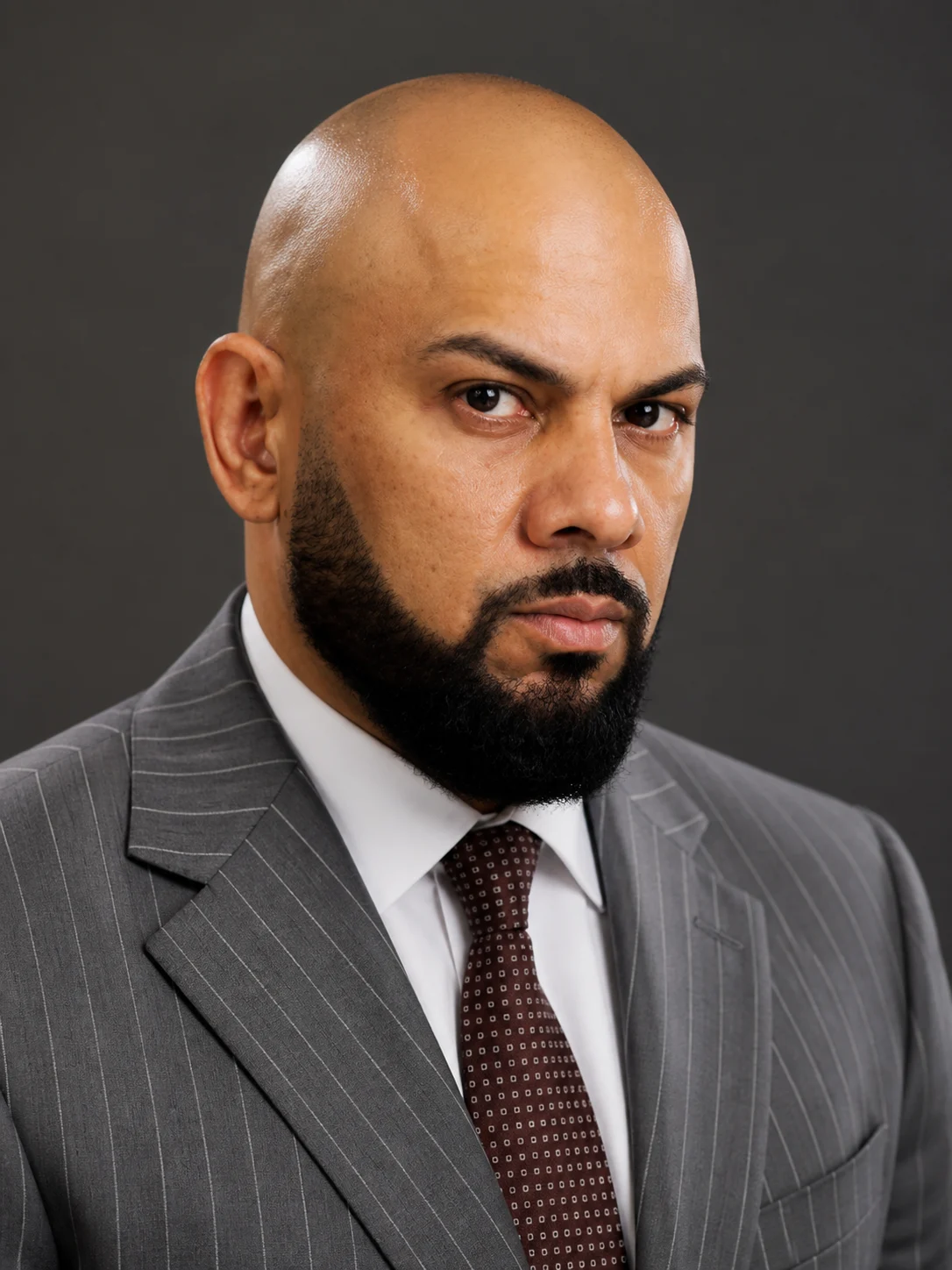
Businessman Suleiman Carrim took the stand as evidence leaders traced roughly R10-million he says he loaned to Vusimuzi 'Cat' Matlala's Medicare24, plus onward payments to Hangwani Maumela that investigators flagged as possible money laundering. Carrim said Matlala and Brown Mogotsi 'played' him, and he denies any wrongdoing, calling the transfers lawful business deals. Evidence leaders complained that his answers raised more questions than they resolved. All allegations are untested and every person named is presumed innocent.
The day in brief
What you need to know
- Carrim told the commission he funded Matlala's Medicare24, the company that held the R360-million SAPS health-services contract, to the tune of about R10-million, framing it as a loan he expected to be repaid.
- Evidence leaders drew attention to roughly R2.12-million said to have moved from one of Carrim's companies to Medicare24 that, they argued, had not been fully disclosed in earlier testimony.
- Carrim testified that in mid-March 2025 Matlala asked him to pay R750,000 to Hangwani Maumela; he said he queried it because the R10-million was still outstanding, then agreed to a reduced R500,000 to keep Matlala cooperative on repayment.
- The commission is examining whether the transfers were legitimate commercial dealings or part of an alleged money-laundering arrangement to disguise the movement of funds, a characterisation Carrim rejects.
- Carrim said Matlala and Brown Mogotsi had 'played' him into the arrangements; Mogotsi has denied wrongdoing and that account remains untested.
- Evidence leaders voiced frustration that, in their view, Carrim's testimony raised more questions than answers.
- No findings have been made; the transactions and characterisations are allegations, and every person named is presumed innocent.
Full coverage
The day, in depth
A financier at the centre of the Matlala money trail
Daily Maverick reported that Carrim, a North West businessman, described a web of deals with Matlala and Maumela, including funding for Medicare24 after it secured the R360-million SAPS contract. IOL and the Sowetan reported that the commission drew explicit links between the three men's finances, with investigators pointing to transfers they said were not disclosed in earlier evidence.
Money laundering flagged, wrongdoing denied
eNCA reported that the commission flagged the Carrim, Matlala and Maumela dealings as possible money laundering. IOL's Cape Times reported that Carrim maintained the payments were lawful business transactions rather than laundering, and he has consistently denied wrongdoing.
Our analysis
The bottom line
On the record so far, Carrim is described by evidence leaders as a funder rather than an accused, and that distinction matters: being asked to explain payments is not the same as being charged, and nothing before the commission is a finding of guilt. What the day did establish is a documented money trail - loans, part-payments and onward transfers - that the commission says was not fully laid out earlier. The gap between what the bank records show and what witnesses first disclosed is exactly the kind of thing an inquiry exists to test.
The harder question the day left open is intent. A R10-million loan to a police contractor, a request to pay a third party, and a negotiated-down R500,000 transfer can read as ordinary if strained business, or as the mechanics of laundering, depending on what the surrounding evidence shows. Carrim's explanation, that he kept paying to keep Matlala cooperative on the debt, is plausible on its face but does not by itself resolve the concern; it will stand or fall on corroboration the commission has yet to hear. Readers should treat the money-laundering label as an allegation under examination, not a conclusion.
Analysis is the archive’s own comment on the public proceedings, grounded in the record above. It weighs the evidence and the process; questions of individual guilt are for the courts and the commission to decide. Everyone named is presumed innocent.
On the record
Who testified this day
Follow the threads
Who Suleiman Carrim connects to
Oupa 'Brown' Mogotsi
Carrim testified that Mogotsi and Matlala 'played' him into loaning millions towards the R360m SAPS Medicare24 tender. Mogotsi denies wrongdoing; untested.
View profile →Same R360m Medicare24 tenderMichael van Wyk
Both are tied to the irregular R360m SAPS Medicare24 health-services tender at the centre of the inquiry - Carrim as an alleged funder of Matlala, van Wyk as Medicare24 Holdings CEO. Untested; both presumed innocent.
View profile →Alleged funder of himVusimuzi 'Cat' Matlala
Evidence leaders described Carrim, with Hangwani Maumela, as one of the apparent funders behind Matlala's R360m Medicare24 tender; Carrim says Matlala and Mogotsi 'played' him. On Day 160 Matlala confirmed he approached Carrim for funding and put the loan at R15 million - Carrim told the commission in March it was R10 million, a discrepancy Carrim will not now be asked about because findings on him will be made on his March evidence alone. Untested allegations.
View profile →Joint venture surfaced after his evidence closedJotham 'King Mswazi' Msibi
On Day 161 (18 August 2026), leading material extracted from the late taxi boss's phone, evidence leader Advocate Matthew Chaskalson SC put up a joint venture between Carrim's Ziggy Investments and Transnational Coaches, tied to subsidised bus contracts in Gauteng and the North West, with R1 million paid into Tucofin, where Msibi was a director. Chaskalson said the connection had not previously been identified by investigators. It surfaced after the commission had ruled that Carrim will not be recalled. Untested; presumed innocent.
View profile →Named alongside him in the payment evidenceHangwani 'Morgan' Maumela
Carrim's evidence on Days 73 and 74 (9-10 March 2026) described multimillion-rand payments running between himself, Vusimuzi 'Cat' Matlala and Maumela, including more than R42 million paid to a trading entity linked to Maumela's sister, and he told the commission he was afraid of both men. The evidence leaders described Carrim and Maumela as the apparent funders behind the R360 million Medicare24 tender. Untested; all presumed innocent.
View profile →In the room & on the record
Counsel, the panel and sources
Evidence led by
On the panel
Sources
- Daily Maverick - Tenders, tycoons and threats: Suleiman Carrim's day of reckoning at the Madlanga (9 March 2026) ↗
- IOL (Mercury) - Madlanga Commission: Carrim, Matlala & Maumela financial links under scrutiny (11 March 2026) ↗
- Sowetan - Madlanga commission draws links between Carrim, Matlala and Maumela (11 March 2026) ↗
- eNCA - Madlanga Commission flags possible money laundering in Carrim, Matlala, Maumela dealings (11 March 2026) ↗
- IOL (Cape Times) - Carrim's testimony exposes web of alleged money-laundering involving Maumela and Matlala (11 March 2026) ↗