Madlanga Commission hearing record
Day 75 of the Madlanga Commission
Witness: Major-General Richard Shibiri
Evidence led by Advocate Thabang Pooe
Major-General Richard Shibiri, the dismissed head of the SAPS Organised Crime component, was questioned over his ties to Vusimuzi 'Cat' Matlala, including a loan he took from Matlala and allegations that he helped facilitate payments. Evidence leaders argued the loan could not serve as a shield from the commission's probe. The sitting also carried Lieutenant Colonel Nkoana Sebola's account of a caller who named himself 'Brigadier Shibiri' and asked that the Aeroton cocaine bust be settled 'amicably'. Shibiri disputes the interference claims; the allegations are untested and he is presumed innocent.
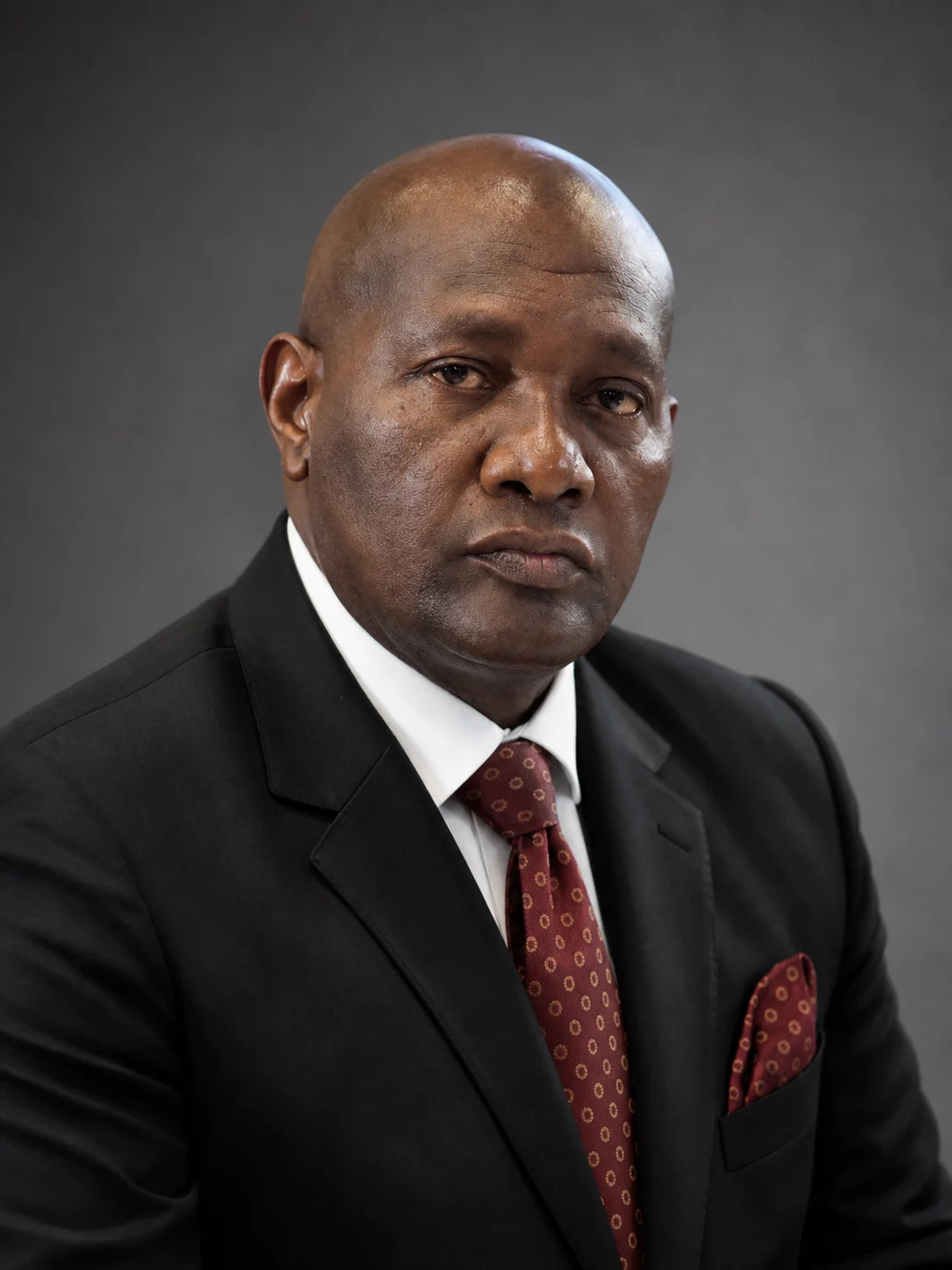
The day in brief
What you need to know
- Shibiri, who headed the SAPS Organised Crime component before his dismissal, faced questions about his relationship with Matlala, an accused figure at the centre of the inquiry.
- Evidence leaders argued that the loan Shibiri took from Matlala could not act as a 'shield' protecting him from scrutiny, as Business Day reported.
- Shibiri had earlier told the commission that the money from Matlala was a loan that was not conditional on any favour, a position EWN reported when he first testified on 5 March.
- The commission heard Lieutenant Colonel Nkoana Sebola's account that a caller identifying himself as 'Brigadier Shibiri' asked him to resolve the Aeroton cocaine bust 'amicably'; the prominent officer of that surname before the inquiry is Major-General Shibiri.
- The archive notes that Shibiri (Organised Crime, dismissed) should not be confused with Lieutenant-General Shadrack Sibiya, a different person with a similar surname.
- Shibiri disputed that his dealings with Matlala amounted to interference or corruption.
- The allegations remain untested, no findings have been made, and Shibiri is presumed innocent.
Full coverage
The day, in depth
Not a shield from the probe
Business Day reported evidence leaders' argument that the loan Shibiri accepted from Matlala did not immunise him from the commission's scrutiny. The framing set up the closer examination of the loan's timing and purpose that would follow later in the week.
Shibiri's stated position on the loan
EWN reported, from Shibiri's earlier appearance on 5 March, that he maintained the money from Matlala was a loan that was not conditional on any favour. That account would be tested against his bank records in the days that followed.
Our analysis
The bottom line
The commission's line of questioning treats the Shibiri and Matlala loan not as a crime in itself but as a fact that demands an innocent explanation, and that is the correct posture. Police officers borrow money; the concern is who the lender is and what, if anything, was expected in return. Because Matlala is an accused figure whose alleged reach into the police is the inquiry's core question, any financial link to a senior organised-crime officer is legitimately probed, without that link amounting to proof of wrongdoing.
Sebola's account adds a separate thread: an allegation that someone using Shibiri's name tried to make a drug case go away 'amicably'. That is a serious claim, but it is Sebola's evidence of a phone call, not established fact, and the identity of a caller is precisely the sort of thing that can be contested. The fair reading of the day is that the commission is assembling threads - a loan, a phone call, a surname - that it will now try to corroborate or discard; none of them, on its own, is a finding against Shibiri.
Analysis is the archive’s own comment on the public proceedings, grounded in the record above. It weighs the evidence and the process; questions of individual guilt are for the courts and the commission to decide. Everyone named is presumed innocent.
On the record
Who testified this day
Follow the threads
Who Major-General Richard Shibiri connects to
Vusimuzi 'Cat' Matlala
Per SABC News and eNCA, the affidavit omissions the commission recalled Matlala on Day 165 (24 August 2026) to account for included Shibiri's name. The allegations remain untested and Shibiri is presumed innocent.
View profile →Named in his account of interferenceLieutenant Colonel Nkoana Joseph Sebola
Sebola told the commission a caller naming himself 'Brigadier Shibiri' asked him to resolve the Aeroton bust 'amicably'; Shibiri is the prominent officer of that surname before the inquiry.
View profile →Distinct person, similar surnameLieutenant-General Shadrack Sibiya
Often confused: Shibiri (Organised Crime, dismissed) is not Lt-Gen Shadrack Sibiya (suspended deputy national commissioner) - different people, different surnames.
View profile →In the room & on the record