Madlanga Commission hearing record
Day 77 of the Madlanga Commission
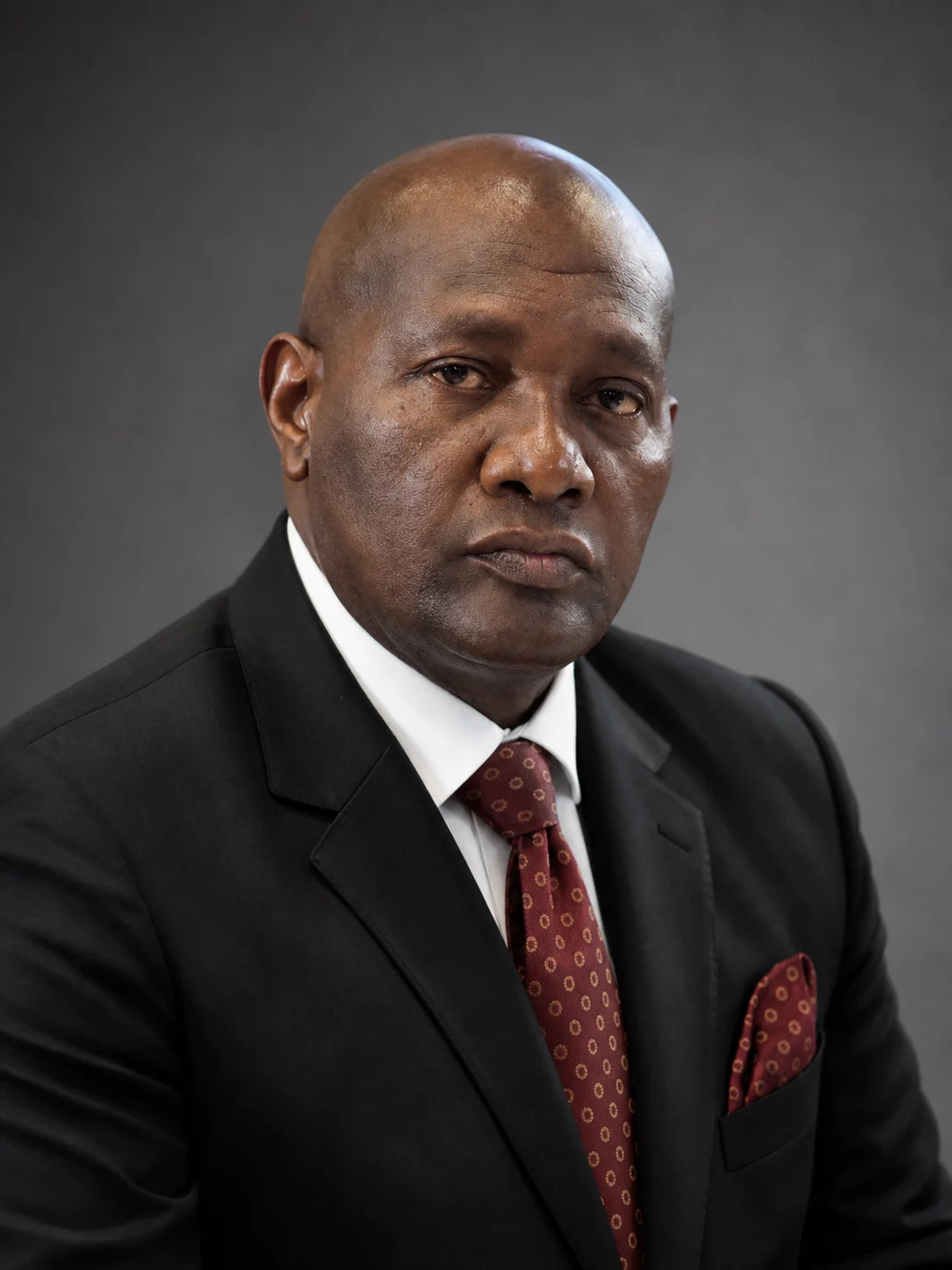
Witness: Major-General Richard Shibiri
Evidence led by Advocate Lee Segeels-Ncube
The commission continued hearing Major-General Richard Shibiri, then turned to an application from a protected witness known as Witness G, said to work with police informers and believed to have handled Brown Mogotsi. Through attorney Tshepo Matlala, Witness G asked to testify in camera and with his voice distorted, citing danger to himself and to people around him; chief evidence leader Matthew Chaskalson accepted that he should not be visually identified but noted the commission had no voice-altering software. Justice Madlanga reserved his order. Nothing here is a finding and all persons named are presumed innocent.
The day in brief
What you need to know
- Friday's sitting continued the testimony of Major-General Richard Shibiri before moving to a procedural application from a protected witness.
- SABC News and EWN reported that Witness G, said to work with police informers and believed to have been Brown Mogotsi's handler, applied to give evidence in camera.
- Through his attorney, Tshepo Matlala, Witness G asked that his testimony be heard behind closed doors via an intermediary and that his voice be distorted, citing safety concerns.
- His lawyer argued that publishing his identity would also endanger people around him who are not agents or informants, EWN reported.
- Chief evidence leader Matthew Chaskalson agreed that Witness G should not be visually identified but noted the commission did not possess voice-altering software, complicating the request.
- Justice Madlanga said he would hand down the order on the application in due course rather than ruling on the spot.
- Business Report characterised the week's Shibiri evidence as 'a tale of deception'; that is a media assessment, and Shibiri, who disputes the interference and corruption claims, is presumed innocent.
Full coverage
The day, in depth
Witness G asks for the cameras off
SABC News and EWN reported that a new protected witness, Witness G, applied to testify in camera with identity protection and voice distortion, saying disclosure could endanger him and his informers. His attorney, Tshepo Matlala, framed the request around safety, and Report Focus News reported the same protection was sought for those connected to him.
A practical snag and a reserved ruling
EWN reported that Chaskalson accepted Witness G should not be visually identified but flagged that the commission had no voice-altering software to meet the distortion request. Justice Madlanga reserved his order, saying it would be handed down in due course.
Our analysis
The bottom line
The Witness G application is a reminder that an inquiry into police corruption has to protect the very people whose information makes it possible. Balancing open justice against a credible fear for a source's life is a genuine tension, and the commission handled it soberly: Chaskalson conceded the visual-identity point while being candid about the technical limits on voice distortion, and Madlanga reserved rather than rushed his ruling. That is process working as it should, even if it makes for undramatic viewing.
For readers, the significance is what Witness G represents rather than anything he has yet said: if he was indeed Brown Mogotsi's handler, his evidence could bear directly on the Mogotsi threads that have run through Carrim's and others' testimony. But an application to testify is not testimony, and none of the claims about Witness G's role are tested. On Shibiri, the week closed with his account badly strained in the press, yet the commission's task is to weigh evidence, not headlines, and no finding has been made against him.
Analysis is the archive’s own comment on the public proceedings, grounded in the record above. It weighs the evidence and the process; questions of individual guilt are for the courts and the commission to decide. Everyone named is presumed innocent.
On the record
Who testified this day
Follow the threads
Who Major-General Richard Shibiri connects to
Vusimuzi 'Cat' Matlala
Per SABC News and eNCA, the affidavit omissions the commission recalled Matlala on Day 165 (24 August 2026) to account for included Shibiri's name. The allegations remain untested and Shibiri is presumed innocent.
View profile →Named in his account of interferenceLieutenant Colonel Nkoana Joseph Sebola
Sebola told the commission a caller naming himself 'Brigadier Shibiri' asked him to resolve the Aeroton bust 'amicably'; Shibiri is the prominent officer of that surname before the inquiry.
View profile →Distinct person, similar surnameLieutenant-General Shadrack Sibiya
Often confused: Shibiri (Organised Crime, dismissed) is not Lt-Gen Shadrack Sibiya (suspended deputy national commissioner) - different people, different surnames.
View profile →In the room & on the record
Counsel, the panel and sources
Evidence led by
On the panel
Sources
- SABC News - Witness G requests in camera testimony at Madlanga Commission (13 March 2026) ↗
- EWN - Witness G requests identity protection and voice distortion at Madlanga Commission (13 March 2026) ↗
- Report Focus News - Witness G seeks identity protection at Madlanga Commission (13 March 2026) ↗
- Business Report - Major-General Shibiri's testimony: A tale of deception at the Madlanga Commission (14 March 2026) ↗