Madlanga Commission hearing record
Day 89 of the Madlanga Commission
Witness: Julius Mkhwanazi
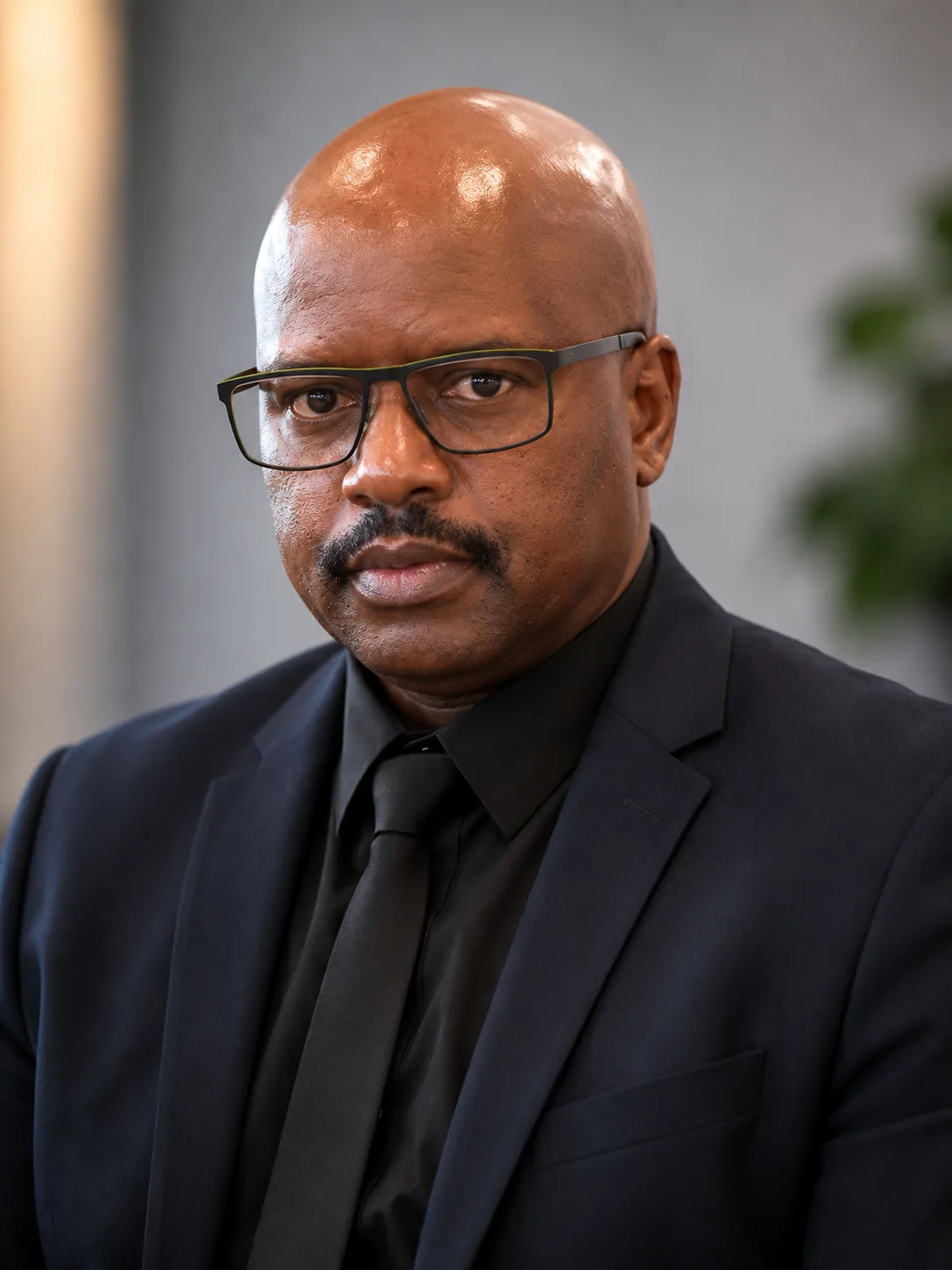
Day 89 opened the commission's examination of procurement and command integrity inside metropolitan policing, with suspended Ekurhuleni Metro Police Department (EMPD) deputy chief Julius Mkhwanazi in the witness chair. This Julius Mkhwanazi is a different person from Lieutenant-General Nhlanhla Mkhwanazi, the KwaZulu-Natal provincial commissioner. Evidence leaders began walking through his dealings with Medicare24 chief executive Michael van Wyk, including WhatsApp messages, EMPD branding requests and a draft memorandum of understanding that the panel reads as a possible influence-for-favours arrangement. Everyone named is presumed innocent and the allegations remain untested.
The day in brief
What you need to know
- Julius Mkhwanazi, the suspended EMPD deputy chief who testified on Day 89, is a different person from Lieutenant-General Nhlanhla Mkhwanazi, the KwaZulu-Natal provincial commissioner, and the two should not be conflated.
- The commission is using Mkhwanazi's evidence to test the integrity of metro-police procurement and authority - specifically how blue lights, EMPD peace-officer registration and branding could be extended to private operators.
- Evidence leaders placed WhatsApp exchanges between Mkhwanazi and Medicare24 chief executive Michael van Wyk at the centre of the day, including requests for blue lights, EMPD logos and 'appointment cards' that the panel reads as a possible bribe; both men are presumed innocent.
- A draft memorandum of understanding said to link the EMPD, Medicare24 and van Wyk's Anubis Protection Services, together with a letter whose wording closely tracked van Wyk's suggested text, was put to Mkhwanazi as evidence of an arrangement he disputes.
- The same strand touches Vusimuzi "Cat" Matlala, whose Cat VIP Protection was tied to the draft EMPD memorandum and blue-lights arrangement alongside Mkhwanazi; those claims are untested and Matlala is presumed innocent.
- Sitting in the background of his appearance is separate, untested evidence from an anonymous JMPD VIP-unit inspector known as Witness K, who says she had a romantic relationship with Mkhwanazi and alleges he orchestrated a Killarney precious-stones theft; both are presumed innocent.
- Mkhwanazi denied wrongdoing, arguing he had no lawful authority to grant blue lights to civilians, while commissioners pressed him on answers they regarded as evasive.
Full coverage
The day, in depth
Why Mkhwanazi is in the chair
Day 89 brought suspended EMPD deputy chief Julius Mkhwanazi before the commission as it turned to the integrity of procurement and command inside metropolitan policing. The panel is examining how a metro-police department controls blue lights, peace-officer appointments and branding, and whether those levers were bent toward private interests. To avoid a common confusion, this Julius Mkhwanazi is not Lieutenant-General Nhlanhla Mkhwanazi, the KwaZulu-Natal commissioner whose disclosures helped prompt the inquiry. He is presumed innocent, and the allegations against him are untested.
The van Wyk WhatsApp trail
Central to the day was Mkhwanazi's relationship with Medicare24 chief executive Michael van Wyk. Evidence leaders pointed to WhatsApp messages in which van Wyk sought blue lights and EMPD logos for his vehicles, and to a draft memorandum of understanding and a letter said to confirm ties between the EMPD, Medicare24 and Anubis Protection Services. Reporting on the exchanges noted messages about 'appointment cards' for a specialised unit and a letter whose wording closely echoed text van Wyk had suggested. The evidence leaders framed the pattern as a possible bribe or favour-for-influence arrangement; both men are presumed innocent and the material remains untested.
Cat Matlala and the blue-lights strand
The blue-lights arrangement also drew in Vusimuzi "Cat" Matlala, whose company Cat VIP Protection was linked to the draft EMPD memorandum alongside Mkhwanazi. The commission has treated the metro's handling of private-security 'blue light' access as a test of whether police authority was quietly outsourced. Matlala is presumed innocent and these claims have not been tested against his own evidence.
Witness K and the Killarney claims
Framing Mkhwanazi's appearance is separate, untested testimony from an anonymous JMPD VIP-protection inspector known as Witness K. She told the commission she was romantically involved with Mkhwanazi and alleged he was connected to a 2023 theft of precious stones valued at about R14.9 million from a Killarney apartment. She named other officials as allegedly sharing proceeds. None of this has been tested against Mkhwanazi's account, and both he and the others named are presumed innocent.
Mkhwanazi's defence
Mkhwanazi pushed back on the picture built from the messages, arguing that civilians cannot lawfully be granted blue lights and that he lacked the authority to hand them out. He sought to explain the letters and requests as routine rather than corrupt. Commissioners, including chairperson Justice Mbuyiseli Madlanga, at points characterised his answers as evasive and pressed him for direct responses.
Our analysis
The bottom line
Day 89 is best read as the opening of a documentary cross-examination rather than a verdict. The commission's strongest material is contemporaneous - WhatsApp messages, a draft memorandum and letters - which is harder to dismiss than recollection, but a paper trail of requests is not the same as proof that favours were unlawfully granted or that money changed hands. The panel's job here is to test whether the correspondence shows capture of EMPD authority or merely awkward, deniable contact.
The presence of Michael van Wyk and Vusimuzi "Cat" Matlala on the same blue-lights and memorandum strand is what gives the day its weight: it suggests a pattern in which private-security operators sought official policing badges, lights and branding through a single senior officer. That pattern is a legitimate line of inquiry into procurement integrity, but it cuts across people who have not yet answered it in their own words, and each is entitled to the presumption of innocence.
The Witness K allegations hang over the appearance without being resolved on this day. They are serious and specific, yet they are untested, come from a witness with her own exposure, and were contradicted by Mkhwanazi's account of whether he even knew her. Fair comment is that Day 89 sharpened the questions for Mkhwanazi without answering them; the value of his evidence will turn on whether his explanations for the documents hold up under continued cross-examination.
Analysis is the archive’s own comment on the public proceedings, grounded in the record above. It weighs the evidence and the process; questions of individual guilt are for the courts and the commission to decide. Everyone named is presumed innocent.
Follow the threads
Who Julius Mkhwanazi connects to
Lieutenant-General Nhlanhla Mkhwanazi
Routinely confused with the KZN commissioner; Julius Mkhwanazi is the suspended EMPD deputy chief, an entirely different person.
View profile →WhatsApp counterpart in the blue-lights evidenceMichael van Wyk
Evidence led on 22 June 2026 placed Mkhwanazi as the EMPD official van Wyk messaged about blue and red lights, EMPD branding, a draft memorandum of understanding and 'appointment cards' for a specialised unit - including an exchange the evidence leaders read as a possible bribe. Both are presumed innocent.
View profile →Named as mastermind by herWitness K
Witness K, an anonymous JMPD VIP-unit inspector who said she had a romantic relationship with Mkhwanazi, testified on 23 June 2026 that he orchestrated the alleged Killarney precious-stones theft. Untested allegations; both are presumed innocent.
View profile →Blue-lights arrangementVusimuzi 'Cat' Matlala
Evidence tied Matlala's Cat VIP Protection to a draft EMPD memorandum and 'blue lights' arrangement alongside Mkhwanazi. Untested allegations.
View profile →In the room & on the record
Counsel, the panel and sources
On the panel
Sources
- YFM - Madlanga Commission: Mkhwanazi grilled over van Wyk voice notes (16 April 2026) ↗
- The Citizen - 'Let's not play games': Mkhwanazi grilled over denial of knowing alleged ex-girlfriend (24 June 2026) ↗
- IOL - Julius Mkhwanazi returns to Madlanga Commission facing corruption, blue lights and stolen precious stones claims (23 June 2026) ↗
- TimesLIVE - Fake police clearances, fraudulent badges, R14m stolen gems heist: Madlanga commission hears Mkhwanazi's side of the story (25 June 2026) ↗
- African News Agency - Christmas Money and Ostriches: WhatsApp chats link Julius Mkhwanazi to alleged blue-light favours ↗
- EWN - Madlanga Commission hears of suspended EMPD chief's favours ↗