Madlanga Commission hearing record
Day 91 of the Madlanga Commission
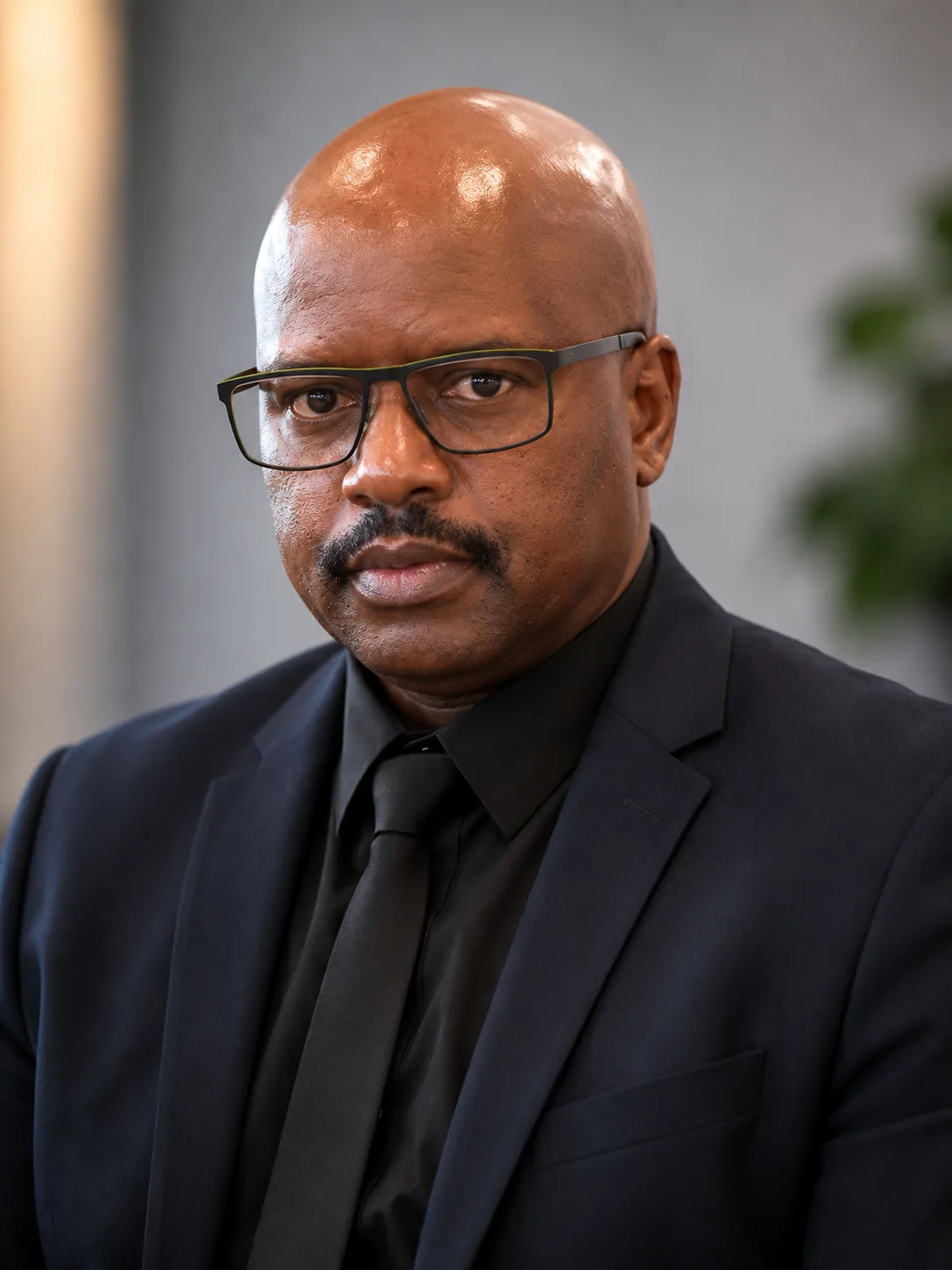
Witness: Julius Mkhwanazi
Evidence led by Adv. Mahlape Sello SC
The Commission spent the day hunting for contradictions in Julius Mkhwanazi's account, above all the 'blue lights' saga in which private vehicles allegedly gained state privileges. Evidence leaders told the suspended EMPD deputy chief to his face that he was not being truthful.
The day in brief
What you need to know
- The Commission scrutinised Julius Mkhwanazi's evidence for inconsistencies, centring on the 'blue lights' allegations. He remains distinct from Lt-Gen Nhlanhla Mkhwanazi.
- Testimony alleged Mkhwanazi facilitated blue lights on vehicles linked to Medicare 24 chief executive Mike van Wyk, a man associated in evidence with Vusimuzi 'Cat' Matlala.
- It was alleged he drafted unauthorised memoranda of understanding under which private security vehicles were registered as municipal vehicles, allegedly opening the door to blue lights, sirens and state resources.
- Mkhwanazi admitted a close working relationship with Matlala but insisted he never installed blue lights on Matlala's cars and never authorised any branding or municipal registration.
- Confronted on a video said to show a company director offering him money for blue-light authorisation, he said he did not remember it.
- Justice Madlanga described one part of his account as implausible, and an evidence leader said directly that he was not being truthful.
- These remain contested allegations; Mkhwanazi denies wrongdoing and is presumed innocent.
Full coverage
The day, in depth
The blue-lights saga, tested line by line
The Commission heard that Mkhwanazi allegedly enabled blue lights and municipal registration for private security vehicles connected to Medicare 24 boss Mike van Wyk and, through him, to Vusimuzi 'Cat' Matlala. Central to the claim were memoranda of understanding said to be unauthorised. Mkhwanazi conceded a close relationship with Matlala but denied installing blue lights or approving any branding or registration, saying he never even saw the vehicles at the centre of the scandal.
Contradictions the panel would not let go
Reporting described an account that unravelled under questioning: a claimed 2am drive to a recovered-truck scene with no logged call, operation or commander, which the chairperson called implausible. On an allegation relayed by another witness that he had ordered a body disposed of in a dam, an evidence leader told him bluntly that he was not being truthful. Mkhwanazi maintained his denials throughout, and the Commission has made no findings.
In their words
Key moments from the record
“You are not being truthful.”
Our analysis
The bottom line
The second day sharpened the central question about Mkhwanazi: not whether he knew figures like Matlala and van Wyk, which he largely conceded, but whether the paper trail and his own explanations can be reconciled. Blue lights are a small-sounding privilege that carries a big meaning here, because turning a private vehicle into something that looks official is exactly the kind of blurred line the inquiry was set up to examine.
When a chairperson uses a word like implausible and an evidence leader says a witness is not being truthful, that is pointed, but it is advocacy and assessment inside a live hearing, not a verdict. The weight of these exchanges will ultimately rest on the documents, the MOUs, vehicle records and the corroboration or collapse of other witnesses' accounts. Until then the allegations are just that, and Mkhwanazi is entitled to the presumption of innocence.
Analysis is the archive’s own comment on the public proceedings, grounded in the record above. It weighs the evidence and the process; questions of individual guilt are for the courts and the commission to decide. Everyone named is presumed innocent.
Follow the threads
Who Julius Mkhwanazi connects to
Lieutenant-General Nhlanhla Mkhwanazi
Routinely confused with the KZN commissioner; Julius Mkhwanazi is the suspended EMPD deputy chief, an entirely different person.
View profile →WhatsApp counterpart in the blue-lights evidenceMichael van Wyk
Evidence led on 22 June 2026 placed Mkhwanazi as the EMPD official van Wyk messaged about blue and red lights, EMPD branding, a draft memorandum of understanding and 'appointment cards' for a specialised unit - including an exchange the evidence leaders read as a possible bribe. Both are presumed innocent.
View profile →Named as mastermind by herWitness K
Witness K, an anonymous JMPD VIP-unit inspector who said she had a romantic relationship with Mkhwanazi, testified on 23 June 2026 that he orchestrated the alleged Killarney precious-stones theft. Untested allegations; both are presumed innocent.
View profile →Blue-lights arrangementVusimuzi 'Cat' Matlala
Evidence tied Matlala's Cat VIP Protection to a draft EMPD memorandum and 'blue lights' arrangement alongside Mkhwanazi. Untested allegations.
View profile →In the room & on the record