Madlanga Commission hearing record
Day 109 of the Madlanga Commission
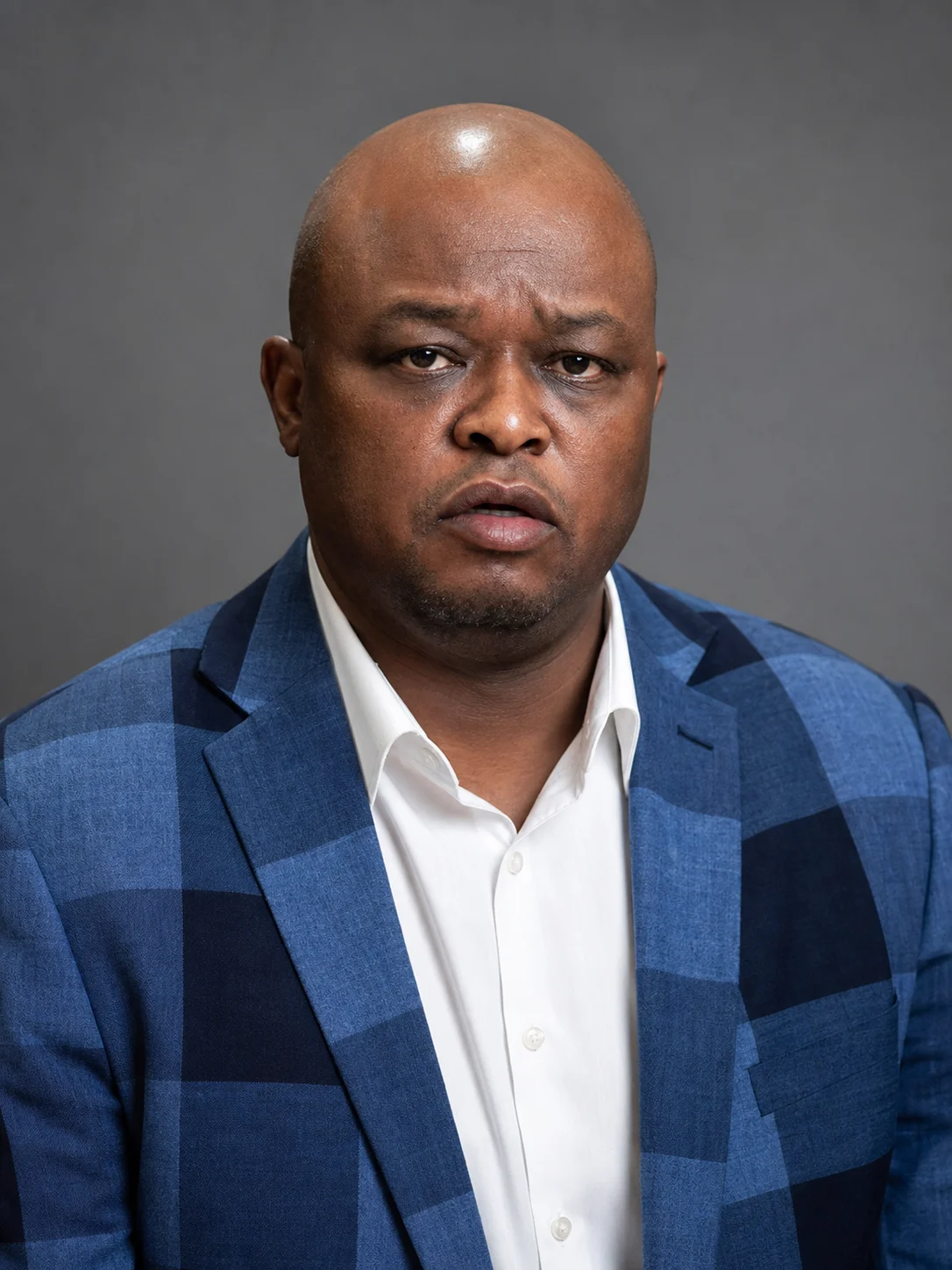
Witness: Oupa 'Brown' Mogotsi
Evidence led by Advocate Matthew Chaskalson SC, Advocate Adila Hassim SC
With his bid to have chief evidence leader Matthew Chaskalson SC recused dismissed, North West businessman Oupa 'Brown' Mogotsi stonewalls the commission - refusing to answer question after question on the ground that he will not incriminate himself. Hours later he is arrested.
The day in brief
What you need to know
- The commission dismissed Mogotsi's application to have chief evidence leader Advocate Matthew Chaskalson SC recuse himself and be replaced by another leader, clearing the way for his cross-examination to proceed.
- Once questioning began, Mogotsi repeatedly declined to answer, telling the inquiry he would not respond because he did not want to incriminate himself.
- Justice Madlanga questioned the basis for the blanket refusal, while Chaskalson warned that persistent refusal to answer could be referred for possible prosecution.
- IOL reported the commission also heard claims that Mogotsi had acted as an informant, adding another contested strand to his already tangled role in the evidence.
- Mogotsi had earlier admitted lying during businessman Suleiman Carrim's testimony, having falsely claimed Chaskalson initiated contact when in fact the reverse was true - context the commission weighed against his refusal to testify.
- Daily News reported Mogotsi was arrested hours after the showdown, with SAPS said to be probing an alleged 'staged assassination plot', a matter separate from but overlapping his commission appearance.
- Mogotsi denies wrongdoing and is entitled to the presumption of innocence; his invocation of the right against self-incrimination is a recognised legal protection, not an admission of guilt.
Full coverage
The day, in depth
Recusal bid fails, then silence
IOL and The Citizen reported that after the commission rejected his attempt to remove Chaskalson, Mogotsi refused to engage with the substance of the questions put to him. He rested the refusal on his right not to incriminate himself, applying it to virtually every question. The result was a standoff that the chairperson and evidence leader both challenged as untenable in its blanket form.
A warning and an arrest
The Citizen reported that Chaskalson advised Mogotsi to take legal advice, cautioning that a continued refusal would be followed by a referral for possible prosecution. SABC News framed the day as Mogotsi refusing to answer to avoid incrimination. Daily News then reported that within hours he was arrested, with police investigating an alleged staged assassination plot - a dramatic coda to an already combative appearance.
In their words
Key moments from the record
“To all the answers, I'm not going to incriminate myself.”
Our analysis
The bottom line
Mogotsi's stonewalling is legally defensible and strategically costly at the same time. The privilege against self-incrimination is a real right, and a witness facing possible criminal exposure is entitled to invoke it. But a blanket refusal to answer any question strains that protection, which is why both Madlanga and Chaskalson pressed him on its basis and raised the prospect of a prosecution referral - the commission's available lever when a witness will not engage.
The fair-comment reading is that Day 109 tells us more about Mogotsi's predicament than about the facts he was meant to illuminate. His earlier concession that he lied during Carrim's evidence hangs over the silence, and his arrest hours later deepens the sense of a man under mounting legal pressure on several fronts. None of that establishes guilt on the tender or conduit allegations, which remain untested; what it does establish is that the commission has, for now, been denied his account, and may pursue that refusal through the courts rather than the hearing room.
Analysis is the archive’s own comment on the public proceedings, grounded in the record above. It weighs the evidence and the process; questions of individual guilt are for the courts and the commission to decide. Everyone named is presumed innocent.
On the record
Who testified this day
Follow the threads
Who Oupa 'Brown' Mogotsi connects to
Bheki Cele
Matlala told the commission that then police minister Bheki Cele instructed him to maintain his dealings with Mogotsi in order to investigate corruption. Neither Mogotsi nor Cele has answered that account before this commission. Untested; all presumed innocent.
View profile →Named in his evidenceLieutenant-General Nhlanhla Mkhwanazi
Mkhwanazi described Mogotsi as a conduit who allegedly knew of the task team's disbandment before he did.
View profile →Alleged conduit toSenzo Mchunu
Witnesses alleged Mogotsi relayed messages between Mchunu and an alleged cartel figure; both deny wrongdoing.
View profile →Accused by him of deceptionSuleiman Carrim
Businessman Suleiman Carrim testified that Mogotsi and Matlala 'played' him into loaning millions towards the R360m SAPS Medicare24 tender. Mogotsi denies wrongdoing; untested allegations.
View profile →Alleged co-conduitVusimuzi 'Cat' Matlala
Carrim testified that Mogotsi and Matlala together 'played' him into the tender deal; money allegedly flowed to Mogotsi from the Medicare24 chain. Mogotsi denies wrongdoing; untested.
View profile →The Soweto cases the commission asked whether he steeredFadiel Adams
On Day 163 a commissioner put to Adams that 'almost every case that is opened in Soweto relating to our terms of reference somehow has Mr Mogotsi's fingerprints', and that the officer who admitted Adams to Orlando SAPS is the Crime Intelligence official described in evidence as Mogotsi's handler. Adams denied Mogotsi had any hand in it and said he spoke to him once by phone. Untested; both presumed innocent.
View profile →Alleged to have introduced him to AdamsMajor-General Andre Lincoln
Adams told the commission that the late Major-General Andre Lincoln phoned Mogotsi from his own house and introduced him as someone close to the police minister, and that the conversation was about Lincoln's unpaid pension. Adams says he now knows the description was untrue. Untested; Lincoln is dead and cannot answer it.
View profile →In the room & on the record
Counsel, the panel and sources
Evidence led by
On the panel
Sources
- SABC News - Mogotsi refuses to answer questions to avoid 'incrimination' (15 May 2026) ↗
- IOL - Brown Mogotsi faces more legal troubles after refusing to answer questions, saying 'I'm not going to incriminate myself' (15 May 2026) ↗
- The Citizen - 'I will not incriminate myself,' says Brown Mogotsi as Madlanga commission hears claims he was an informant (15 May 2026) ↗
- Daily News - Brown Mogotsi arrested hours after Madlanga Commission showdown as SAPS probes 'staged assassination plot' (15 May 2026) ↗