Madlanga Commission hearing record
Day 110 of the Madlanga Commission
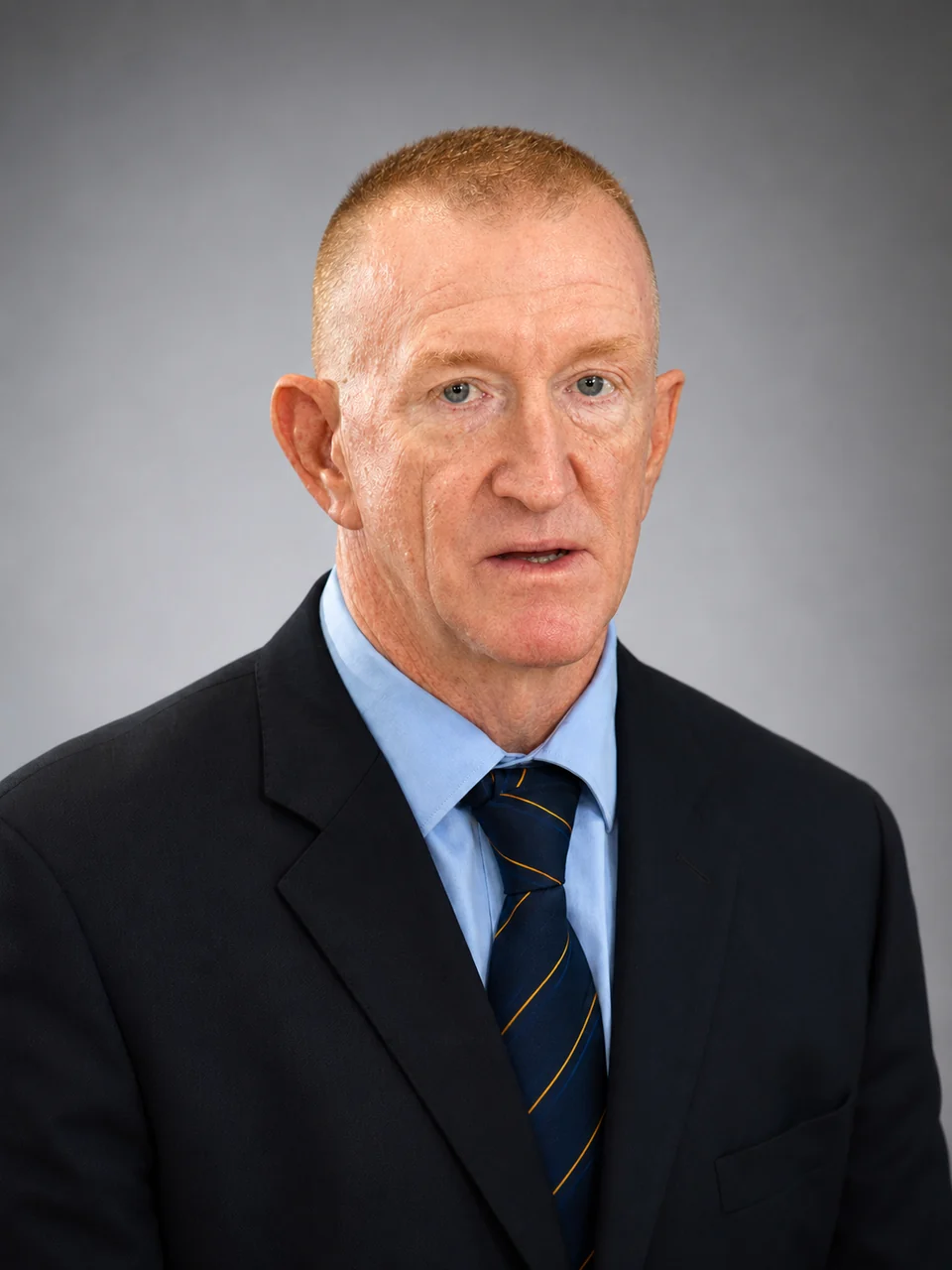
Witness: Warrant Officer Karl Sander
Evidence led by Advocate Mahlape Sello SC, Advocate Matthew Chaskalson SC, Advocate Lee Segeels-Ncube
Hawks narcotics investigator Warrant Officer Karl Sander opened his testimony, telling the commission that suspended KZN Hawks head Major General Lesetja Senona pushed him out of the narcotics division on what he called trumped-up corruption allegations and subjected him to two polygraph tests - one of them, remarkably, over the theft of his own coffee machine from a secured Hawks office.
The day in brief
What you need to know
- Sander told the commission he was sidelined from the narcotics division on corruption allegations he says were false, and framed this as part of a pattern of pressure on junior officers who would not fall in line.
- He testified that he was made to sit two polygraph tests, including one connected to the R200m Port Shepstone cocaine theft, despite having been on leave when the consignment disappeared.
- A second polygraph, he said, related to the theft of his personal coffee machine from inside a secured Hawks office - a detail he presented as evidence of how petty and targeted the treatment had become.
- Sander pointed to what he described as an inside job and victimisation of honest officers rather than a genuine misconduct inquiry.
- Evidence leader Advocate Lee Segeels-Ncube led Sander through the sequence, laying groundwork for the commission's scrutiny of who ordered the polygraphs and why.
- Senona is separately alleged to have driven the pressure; he later disputed Sander's account, and both men are entitled to the presumption of innocence on all allegations.
Full coverage
The day, in depth
Polygraph over a stolen coffee machine
Sander told the commission that after his coffee machine went missing from a secured office, he was accused of stealing it and made to take a polygraph test. He described the episode as absurd but revealing of a hostile environment, saying the office had things disappearing repeatedly. He tied the treatment to his removal from the narcotics division.
On leave when the cocaine vanished
According to Sander, he was on leave when the 541kg cocaine consignment disappeared from the Port Shepstone Hawks store, yet he was still polygraphed over the theft. He cast this as part of a broader effort to pin suspicion on him. He maintained he had no involvement in the loss.
Senona named as the source of pressure
Sander linked the pressure on junior officers to the suspended provincial leadership under Major General Senona. He described being pushed out on allegations he rejected as fabricated. Senona would later reject these claims and deny creating a hostile work environment.
In their words
Key moments from the record
“My only safe space was my coffee machine and then they stole my coffee machine inside the DPCI. Sorry, I'm laughing about it, it's still so annoying, and I had to get polygraphed because of the theft of my own coffee machine.”
Our analysis
The bottom line
Sander's opening evidence is compelling as narrative but, on the record so far, it is one officer's account of motive and victimisation. The coffee-machine polygraph is a genuinely striking detail, and if the commission accepts it as accurately described, it speaks to a workplace culture where process was used punitively. That is a question of proportionality and management conduct rather than, by itself, proof of criminality by any named person.
The more consequential thread is the linkage between the polygraph regime and the R200m cocaine theft. Sander says he was on leave when the drugs vanished, which if documented would materially weaken any suspicion attached to him. The commission's task is to test that timeline against duty records and to establish who authorised the polygraphs and on what basis - the answers, not the anecdote, are what should carry weight. Senona is entitled to contest the characterisation, and did.
Analysis is the archive’s own comment on the public proceedings, grounded in the record above. It weighs the evidence and the process; questions of individual guilt are for the courts and the commission to decide. Everyone named is presumed innocent.
On the record
Who testified this day
Follow the threads
Who Warrant Officer Karl Sander connects to
Lieutenant Colonel Jakobus Prinsloo (retired)
Both were polygraphed and passed; both pointed to victimisation and an inside job.
View profile →Alleged retaliationMajor General Lesetja Senona
Sander tied the pressure on junior officers to the suspended provincial leadership; on 19 June 2026 Senona hit back, saying Sander 'misled the commission' over the coffee-machine polygraph account.
View profile →Now reports toColonel Gavin Jacob
Sander reports to Colonel Jacob, who he says named the theft suspects to him.
View profile →From the official record
Documents issued for this day
In the room & on the record
Counsel, the panel and sources
On the panel
Sources
- EWN - Hawks officer tells Madlanga Commission of polygraph test over stolen coffee machine (01 Jun 2026) ↗
- IOL - 'My only safe space was my coffee machine': Hawks officer continues explosive testimony (02 Jun 2026) ↗
- News24 - Hawks officer asked how to destroy cocaine before it was stolen, commission hears (02 Jun 2026) ↗