Madlanga Commission hearing record
Day 111 of the Madlanga Commission
Witness: Warrant Officer Karl Sander
Evidence led by Advocate Lee Segeels-Ncube, Advocate Mpilo Sikhakhane
Sander's testimony turned from grievance to vindication: the commission heard that the polygraph used to cast suspicion on him was fundamentally flawed. An administrative review found serious procedural failures by the examiner, the results were declared unreliable, and Sander - told years earlier that he had failed - broke down as he was effectively exonerated on the record.
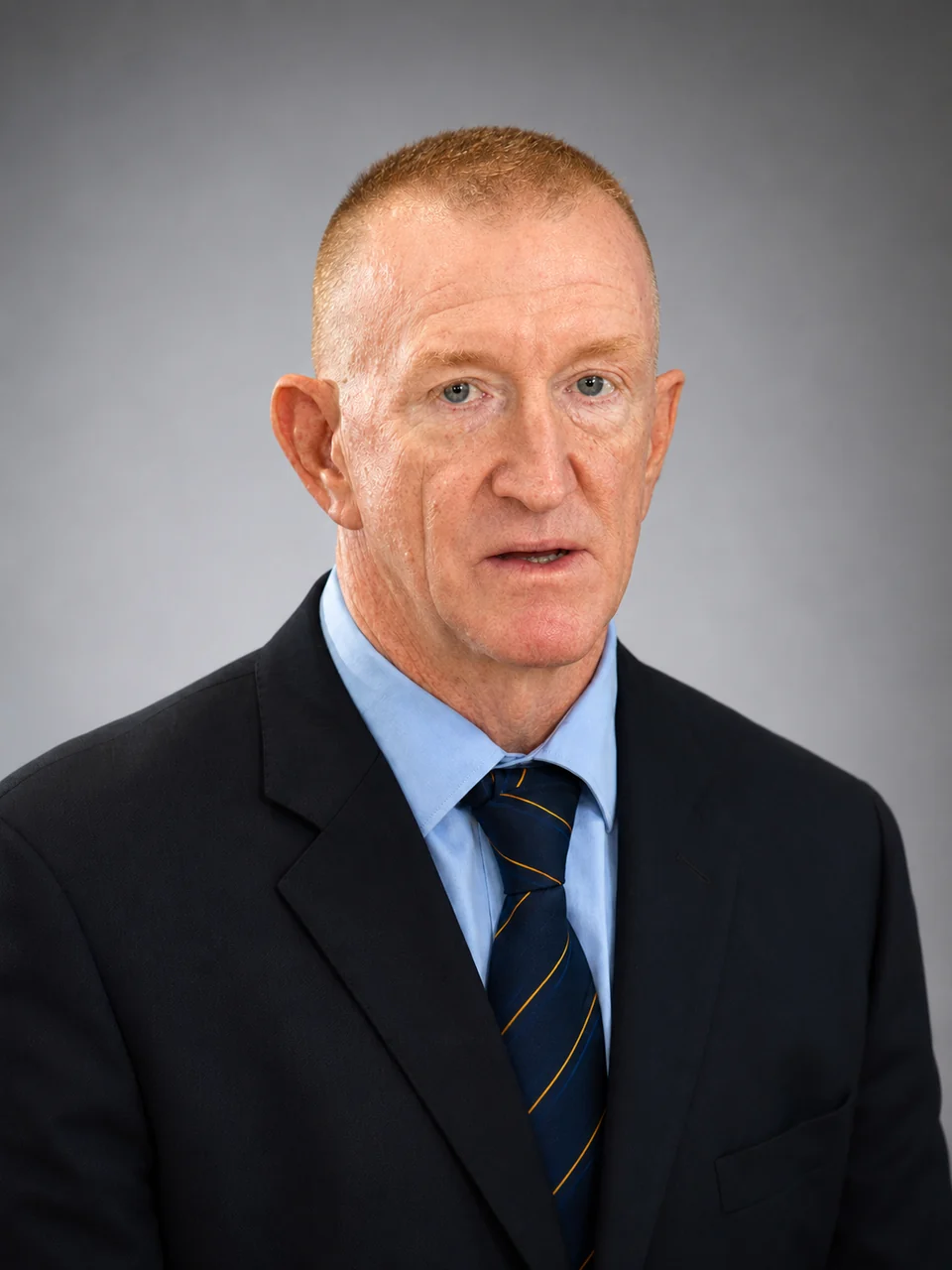
The day in brief
What you need to know
- The commission heard that a non-conformance review of the polygraph relied on to implicate Sander found multiple procedural errors by the examiner, rendering the result unreliable.
- Sander had been told he failed the test; he learned of the errors that undercut that finding for the first time during the proceedings, and became emotional as the material was read out.
- The examiner was reportedly barred from conducting further tests after the review confirmed the failures, raising questions about how many other cases relied on the same process.
- Sander used the day to argue that intimidation tools like the polygraph formed part of a wider retaliation against officers seen as honest or inconvenient.
- The vindication does not resolve who stole the R200m consignment; it removes one strand of suspicion that had been directed at Sander.
- Public sympathy became a story in itself, with a crowdfunding campaign raising more than R400,000 to buy Sander a new coffee machine - a sum donors redirected in solidarity.
Full coverage
The day, in depth
A faulty test, an exoneration
The commission was shown that the polygraph used against Sander was procedurally defective, with an administrative review finding serious failures by the examiner. The results were declared unreliable, undercutting the basis on which he had been told he failed. Sander, hearing the detail for the first time, was visibly overcome.
Retaliation, not misconduct
Sander framed the polygraphs as instruments of pressure rather than genuine investigation, part of what he described as retaliation against honest officers. He connected his own experience to the treatment of a fellow cleared witness, retired Lieutenant Colonel Jakobus Prinsloo. Both, he said, had passed and both pointed to victimisation.
Public rallies with over R400,000
Outside the hearing room, a BackaBuddy campaign launched after the coffee-machine revelation raised more than R427,000 from over 1,700 donors. Organisers had initially set a modest R5,000 target. The response turned Sander into a symbol of public frustration with how whistleblowing officers are treated.
Our analysis
The bottom line
The reliability of a polygraph is not, in law, proof of guilt or innocence - such tests are not admissible as conclusive evidence in South African courts. What matters here is narrower and arguably more damning for the system: an officer was told he failed a test that a formal review later found was administered incompetently, and that finding sat on his file. If the commission's account is accurate, the failure is one of process integrity and fairness to the individual.
The emotional exoneration is powerful, and the public groundswell behind Sander is understandable, but the archive's job is to keep the two questions apart. Clearing Sander of suspicion is not the same as identifying who took the cocaine; that remains open. The lasting value of the day may be evidentiary hygiene - if one examiner's flawed tests shaped internal suspicions, the commission is right to ask what else that process distorted.
Analysis is the archive’s own comment on the public proceedings, grounded in the record above. It weighs the evidence and the process; questions of individual guilt are for the courts and the commission to decide. Everyone named is presumed innocent.
On the record
Who testified this day
Follow the threads
Who Warrant Officer Karl Sander connects to
Lieutenant Colonel Jakobus Prinsloo (retired)
Both were polygraphed and passed; both pointed to victimisation and an inside job.
View profile →Alleged retaliationMajor General Lesetja Senona
Sander tied the pressure on junior officers to the suspended provincial leadership; on 19 June 2026 Senona hit back, saying Sander 'misled the commission' over the coffee-machine polygraph account.
View profile →Now reports toColonel Gavin Jacob
Sander reports to Colonel Jacob, who he says named the theft suspects to him.
View profile →Exhibits
Objects from this testimony
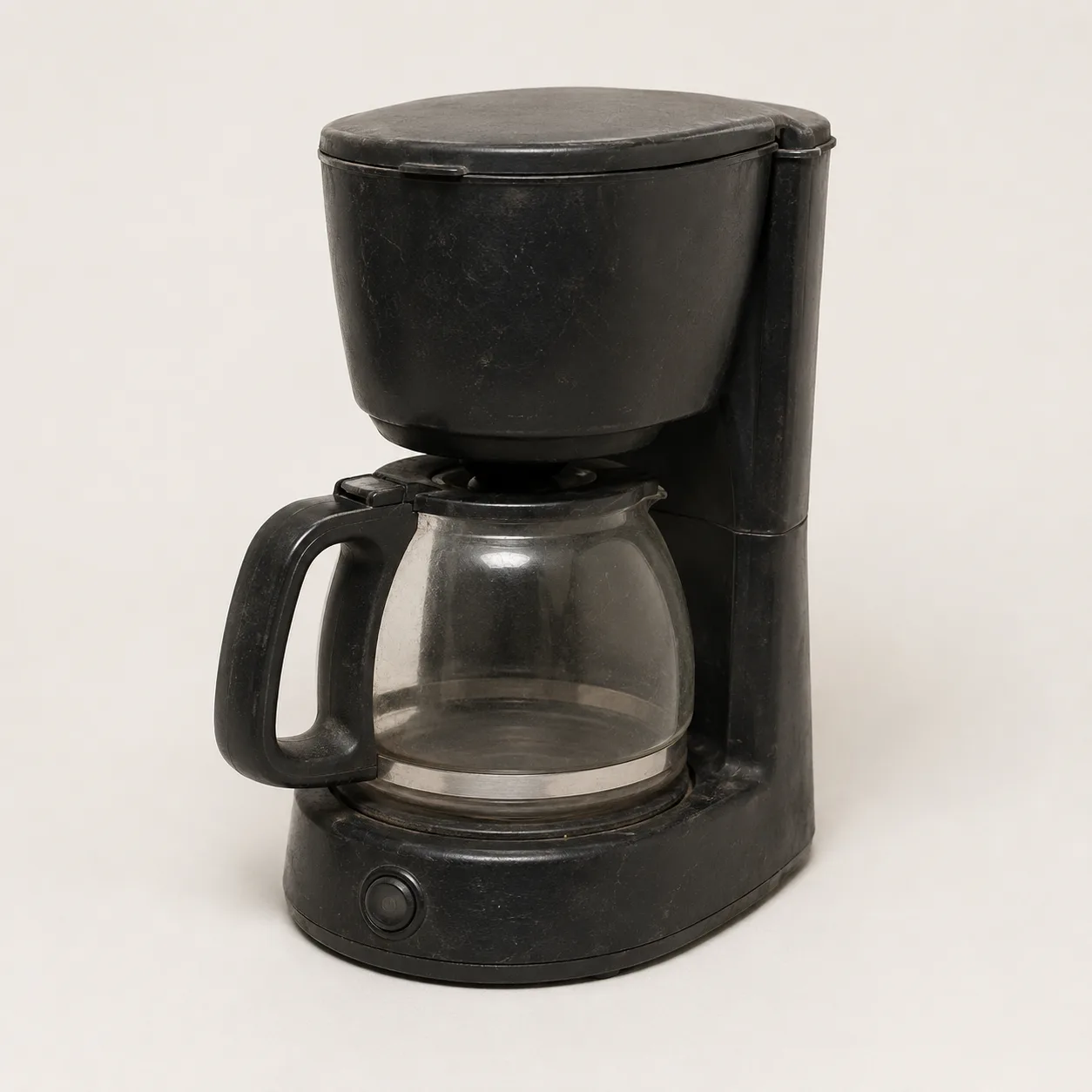
In the room & on the record