Madlanga Commission hearing record
Day 112 of the Madlanga Commission
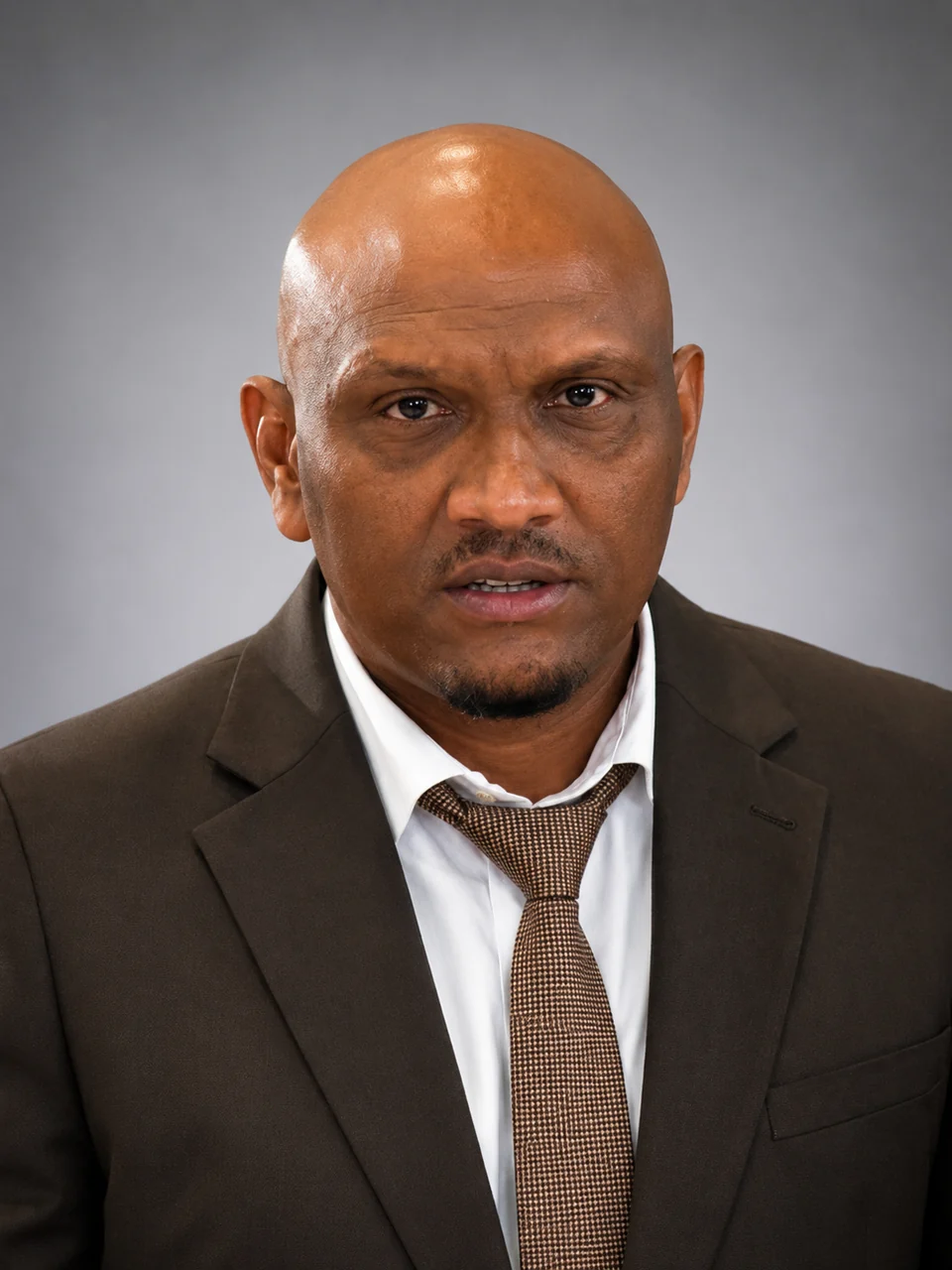
Witness: Colonel Gavin Jacob
Colonel Gavin Jacob, commander of Durban's Serious Organised Crime Investigation Unit, took the stand over the R200m Port Shepstone cocaine theft. He testified that a whistleblower had come forward in early 2026 claiming knowledge of the planning and execution of the theft, denied any personal involvement in the loss of the 541kg consignment, and conceded that Hawks officers may have been implicated.
The day in brief
What you need to know
- Jacob told the commission he and Warrant Officer Mpangase were among the first officers to handle the cocaine intercepted at Isipingo on 22 June 2021, which was then stored at the Port Shepstone Hawks office.
- He said the consignment, stored at a site he described as lacking sufficient security, was stolen in a November 2021 break-in widely regarded as an inside job.
- Jacob testified that in late January 2026, during a separate probe into drug-related killings, his unit was led to a whistleblower or informer who claimed involvement in both planning and executing the Port Shepstone theft.
- He denied any personal involvement in the theft of the 541kg consignment, while conceding that Hawks officers may have been party to it.
- The commission also heard evidence that Jacob had, at an earlier point, asked how the cocaine could be destroyed before it was stolen - a line of questioning the inquiry flagged for scrutiny.
- The storage decision connects upward and outward: Jacob reported to Brigadier Campbell Nyuswa, the site was linked to a recommendation associated with Major General Senona, and Jacob brought Lieutenant Colonel Kwazikwakhe Sibiya onto the original operation.
Full coverage
The day, in depth
A whistleblower breaks silence
Jacob testified that a suspect-turned-informer approached investigators in early 2026 with detailed claims about the planning and execution of the Port Shepstone theft. He said he was instrumental in ensuring police stayed in contact with the source. The account opened a potential new line into a theft long treated as an inside job.
Denial with a concession
Jacob flatly denied stealing the consignment, telling the commission he had no involvement in the theft that occurred during the break-in at the Port Shepstone DPCI office. At the same time he accepted that Hawks officers may have been involved. He also accepted a measure of responsibility for the loss of drugs held in police custody.
Questions about destroying the drugs
The commission heard evidence that Jacob had earlier asked how the cocaine could be destroyed, before it went missing. Reporting framed this as a detail the inquiry would probe further. Jacob's broader defence was that an internal investigation into the matter had been falsified.
In their words
Key moments from the record
“I had no involvement in the theft of the 541kg cocaine consignment that was stolen during a break-in at the Port Shepstone DPCI office.”
Our analysis
The bottom line
Jacob's evidence cuts two ways, and the archive should resist collapsing it into a verdict. His disclosure of a whistleblower claiming inside knowledge is potentially the most useful investigative lead the commission has surfaced on the theft, and it is consistent with the long-held view that the drugs were taken from within. If that source is credible and properly handled, it could move the matter from suspicion toward evidence.
Against that sits genuine tension in his own account: he handled the consignment early, the storage site was insecure, and the commission heard he once asked about destroying the cocaine. None of that establishes wrongdoing by Jacob, who denies involvement and is presumed innocent, but it is exactly the kind of proximity and decision-making the inquiry must test against records and other witnesses. The concession that officers may have been involved is significant precisely because it comes from inside the unit.
Analysis is the archive’s own comment on the public proceedings, grounded in the record above. It weighs the evidence and the process; questions of individual guilt are for the courts and the commission to decide. Everyone named is presumed innocent.
On the record
Who testified this day
Follow the threads
Who Colonel Gavin Jacob connects to
Brigadier Campbell Nyuswa
Jacob told Nyuswa he could not find suitable storage for the consignment.
View profile →Decision rose toMajor General Lesetja Senona
The Port Shepstone site Jacob's unit used was recommended by Senona.
View profile →Sander reports to himWarrant Officer Karl Sander
Sander now reports to Jacob, who he says named the theft suspects to him.
View profile →Brought onto the operationLieutenant Colonel Kwazikwakhe Sibiya
Jacob brought Lt-Col Sibiya onto the 22 June 2021 Isipingo operation; Sibiya told the commission he was following his commander's orders.
View profile →In the room & on the record
Counsel, the panel and sources
On the panel
Sources
- Daily Maverick - 'Whistleblower suspect broke silence' on R200m Port Shepstone cocaine theft, Hawks officer (03 Jun 2026) ↗
- The Citizen - Cop claims whistle-blower confessed in R200m cocaine theft, admits Hawks officers may be involved ↗
- News24 - Hawks officer asked how to destroy cocaine before it was stolen, commission hears (02 Jun 2026) ↗