Madlanga Commission hearing record
Day 113 of the Madlanga Commission
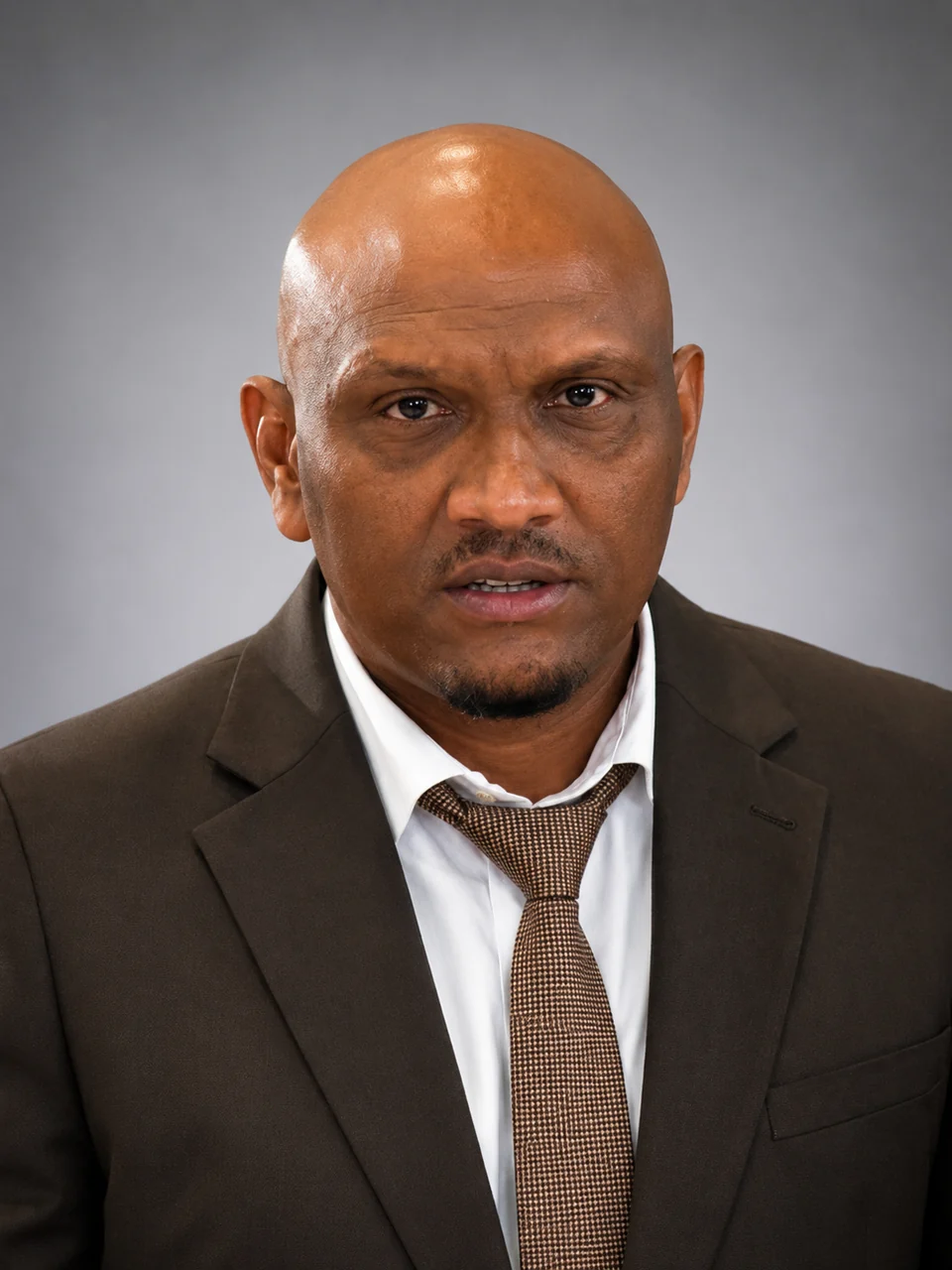
Witness: Colonel Gavin Jacob
Under sustained cross-examination, Jacob was accused of lying about the storage of the R200m consignment and conceded several failures. He admitted his account of having exhausted storage options was not factually correct, acknowledged he had not checked capacity at nearby stations on the day of the operation, and accepted he had departed from National Instruction guidelines.
The day in brief
What you need to know
- Cross-examination centred on whether Jacob had genuinely exhausted secure storage options before the cocaine was left at the vulnerable Port Shepstone site.
- Jacob conceded that his statement to Brigadier Nyuswa about having exhausted avenues was not factually correct, because he had not enquired with three nearby stations about capacity on 22 June 2021.
- He admitted on several occasions that he had failed to follow the guidelines of the National Instruction governing the handling of seized drugs.
- Counsel put it to Jacob that he had lied about the storage arrangements; he was pressed on conduct described as unlawful during the Port Shepstone seizure.
- Evidence before the commission described the internal team that had probed the Hawks over the theft as biased, complicating the picture of who investigated whom.
- The day sharpened the commission's focus on accountability and process failure - how a high-value consignment came to sit in an insecure store - as distinct from the still-open question of who physically took it.
Full coverage
The day, in depth
Accused of lying over storage
Counsel accused Jacob of lying about the storage of the consignment, pressing him on why R200m of cocaine ended up in an insecure Port Shepstone office. Jacob conceded that his earlier claim to have exhausted storage avenues was not factually correct. He acknowledged he had not contacted three nearby stations about capacity on the day.
Admissions on the National Instruction
During extensive cross-examination, Jacob admitted several times that he had not followed the guidelines of the National Instruction on handling seized drugs. Reporting framed these as critical storage and process failures preceding the theft. Jacob accepted bearing some responsibility for the loss while maintaining he did not steal the drugs.
Questions over a biased probe
The commission also heard that the internal team which investigated the Hawks over the theft was described as biased. That evidence complicated the reliability of earlier internal findings. It fed the inquiry's broader concern about whether accountability inside the unit had been genuine or performative.
Our analysis
The bottom line
Day 113 is where Jacob's narrative met friction. Admitting that a prior statement was not factually correct, and that nearby stations were never canvassed, is materially different from the confident account of Day 112. These are concessions about process and candour, and they legitimately weaken his credibility on the storage question - though credibility challenged is not the same as culpability proven, and Jacob continues to deny stealing the drugs.
The fair reading is that the commission is building an accountability case about how an insecure store was chosen and how the National Instruction was sidestepped, rather than yet naming who carried out the theft. The evidence that the internal probe was biased cuts in Jacob's favour on one axis - it questions the findings against him - while his own admissions cut against him on another. Weighing those strands, not resolving them prematurely, is the commission's proper task, and the presumption of innocence holds throughout.
Analysis is the archive’s own comment on the public proceedings, grounded in the record above. It weighs the evidence and the process; questions of individual guilt are for the courts and the commission to decide. Everyone named is presumed innocent.
On the record
Who testified this day
Follow the threads
Who Colonel Gavin Jacob connects to
Brigadier Campbell Nyuswa
Jacob told Nyuswa he could not find suitable storage for the consignment.
View profile →Decision rose toMajor General Lesetja Senona
The Port Shepstone site Jacob's unit used was recommended by Senona.
View profile →Sander reports to himWarrant Officer Karl Sander
Sander now reports to Jacob, who he says named the theft suspects to him.
View profile →Brought onto the operationLieutenant Colonel Kwazikwakhe Sibiya
Jacob brought Lt-Col Sibiya onto the 22 June 2021 Isipingo operation; Sibiya told the commission he was following his commander's orders.
View profile →Exhibits
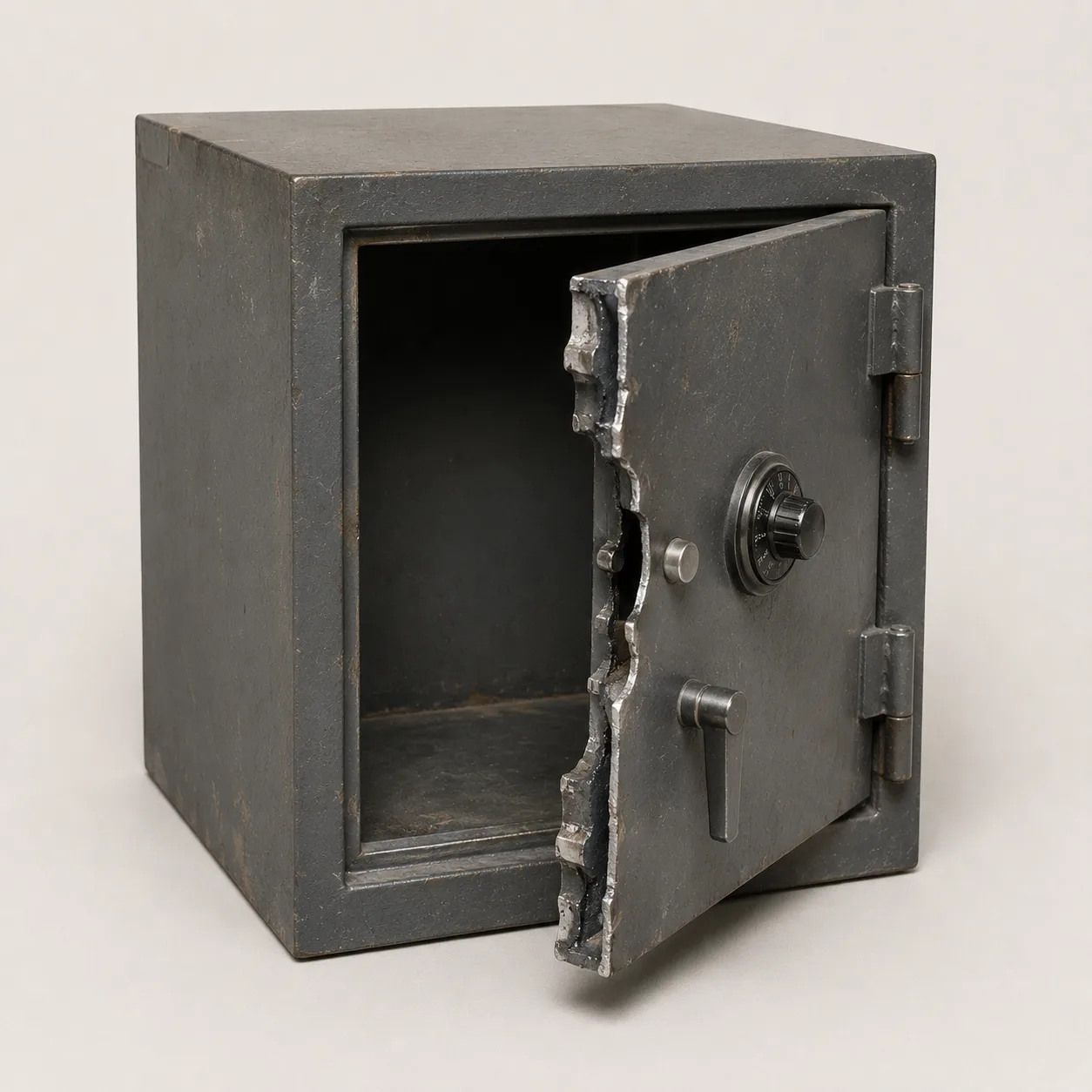
Objects from this testimony
In the room & on the record
Counsel, the panel and sources
On the panel
Sources
- IOL - LIVE: Hawks officer Jacob admits to failures in major cocaine bust (04 Jun 2026) ↗
- The Herald - Hawks officer accused of lying over R200m cocaine storage at Madlanga commission (04 Jun 2026) ↗
- EWN - Hawks commander admits to critical storage failures before R200m drug heist (04 Jun 2026) ↗
- The Citizen - 'You comply now and complain later': Cop grilled over 'unlawful' conduct in Port Shepstone cocaine seizure ↗