Madlanga Commission hearing record
Day 114 of the Madlanga Commission
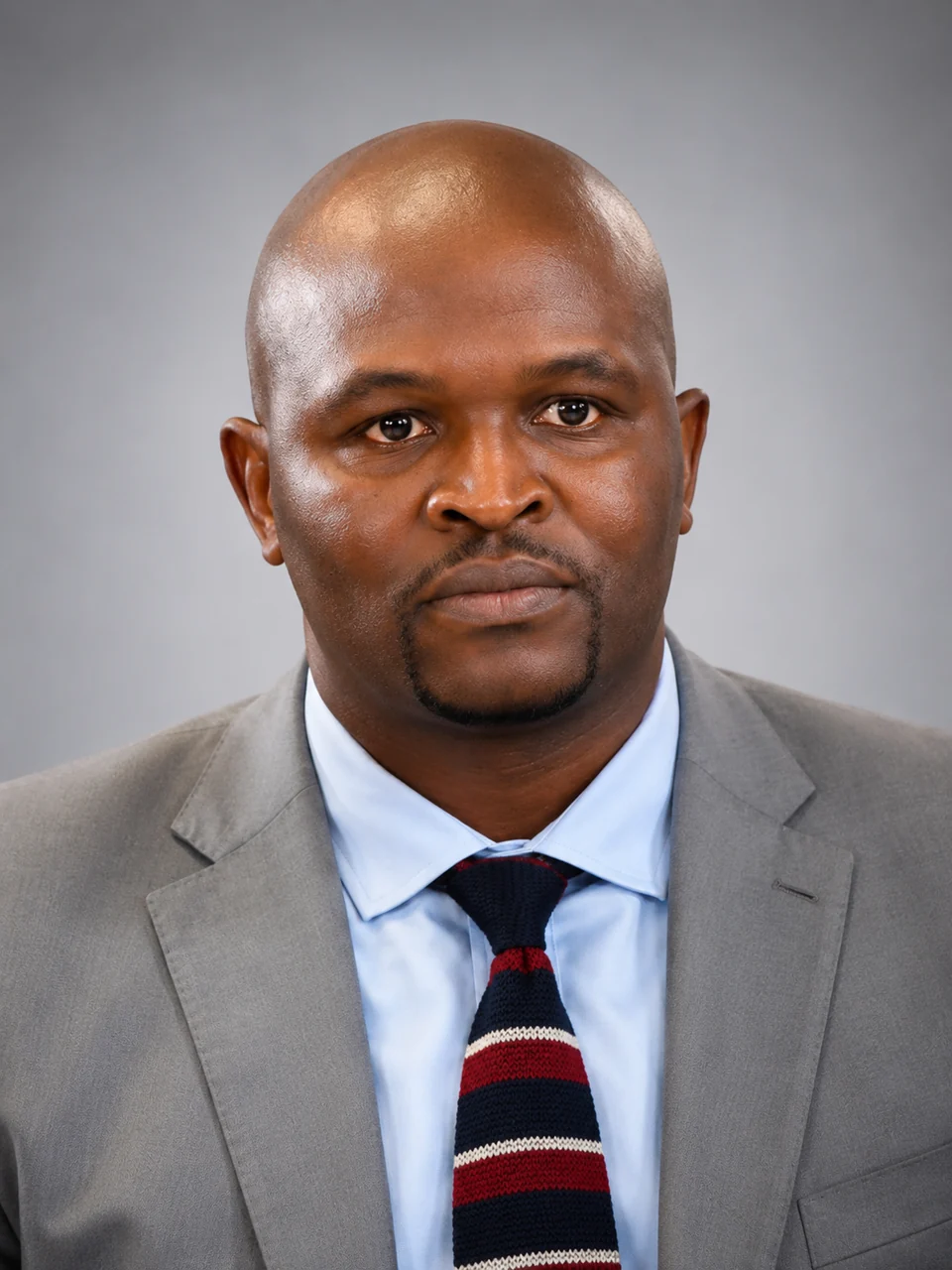
Witness: Lieutenant Colonel Kwazikwakhe Sibiya
Evidence led by Advocate Mpilo Sikhakhane
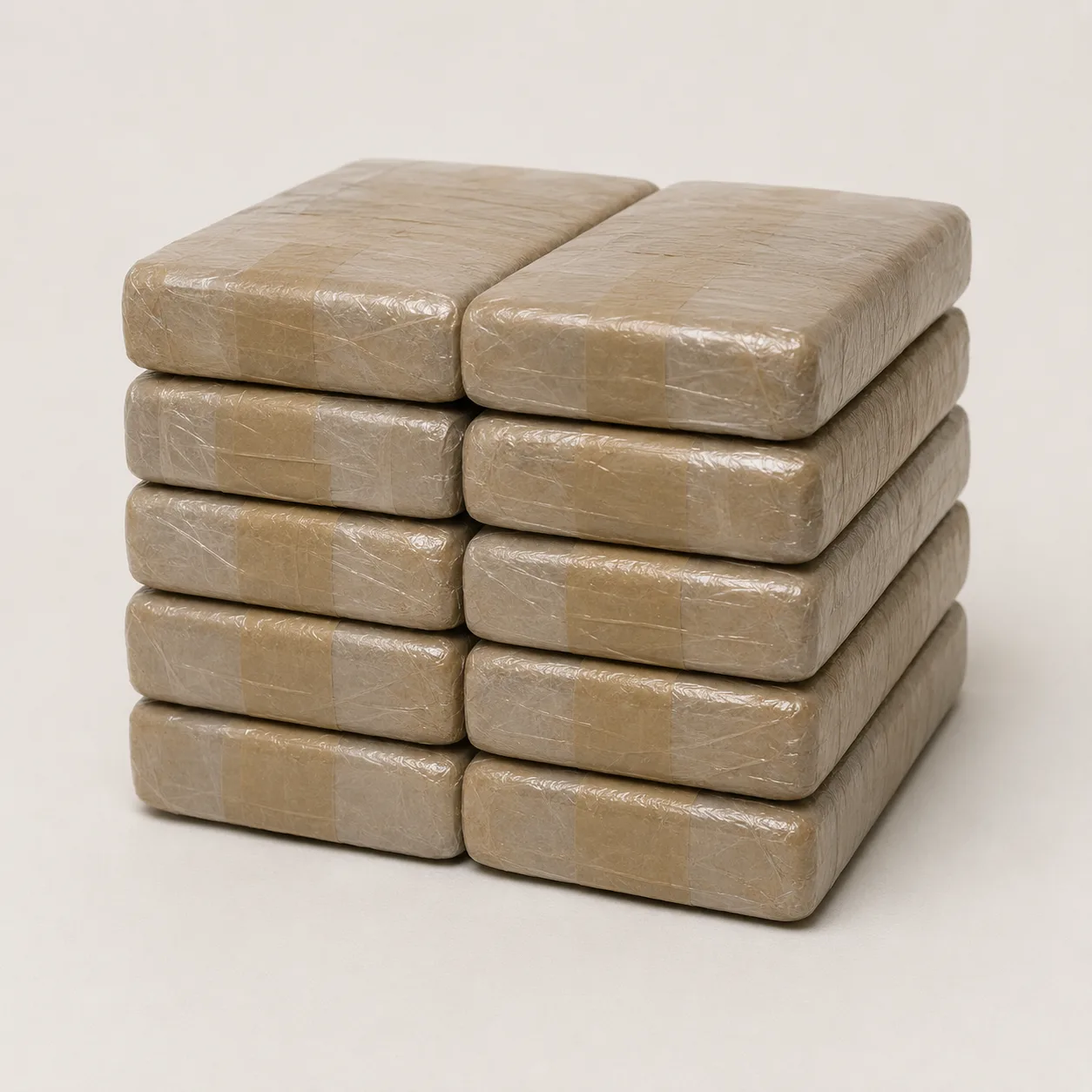
Hawks Lieutenant-Colonel Kwazikwakhe Sibiya told the commission he was 'just following orders' when he handled the 541kg cocaine consignment that later vanished from a Port Shepstone police store - and Justice Madlanga challenged whether a police officer may hide behind unlawful instructions.
The day in brief
What you need to know
- Sibiya, a Hawks officer attached to the KwaZulu-Natal serious organised crime unit, testified on 5 June 2026 about the 541kg cocaine consignment seized on 22 June 2021 at the CHC container depot in Isipingo and later reported missing from the Hawks' Port Shepstone office on 8 November 2021.
- He told the commission he was not involved in the drugs' disappearance, saying he had handled the bags, loaded them onto a police vehicle, followed it to Isipingo police station and helped offload and count them on the instructions of senior officers.
- Sibiya conceded that SAPS national instructions on crime-scene management were not followed, but maintained he had acted under orders from his commander, Colonel Gavin Jacob, and others in the chain of command.
- Chairperson Justice Madlanga pressed him on whether a police officer may lawfully carry out irregular instructions, framing the exchange around an officer's duty to obey only lawful orders.
- Evidence leaders put it to Sibiya that a high-value seizure had been stored at an insecure facility - an account he disputed while shifting responsibility up the chain of command.
- The testimony kept the spotlight on more senior officers named in the drug-theft narrative, with reporting referencing a figure identified as Senona; no findings have been made against any individual and all remain entitled to the presumption of innocence.
Full coverage
The day, in depth
'Just following orders'
IOL and Sunday World reported that Sibiya distanced himself from the missing consignment, telling the commission he merely executed instructions to move and count the drugs. He denied any role in a theft plot and said responsibility lay with those who gave the orders. The account echoes a wider pattern at the inquiry of junior officers pointing upward while seniors have yet to answer.
Madlanga on unlawful instructions
The Citizen and IOL reported that the chairperson repeatedly challenged the 'following orders' defence, stressing that only lawful instructions bind a police officer. Reporting quoted Madlanga asking whether Sibiya had allowed himself to be used while rules he knew were being flouted.
The missing 541kg
EWN reported the commander was questioned over storing the seizure at an insecure facility before roughly R200m worth of cocaine disappeared from the Port Shepstone office months later. The Citizen's coverage noted the day put fresh scrutiny on senior officers, including one identified as Senona, without any finding of guilt.
In their words
Key moments from the record
“So you just allow yourself to be used as a pawn whilst prescripts that you are aware of are being flouted?”
Our analysis
The bottom line
The heart of Day 114 was not whether the 541kg was mishandled - Sibiya effectively conceded the crime-scene prescripts were breached - but who should carry the blame for it. His 'I followed orders' account is internally consistent and may well be truthful about his own limited role, yet it also does the convenient work of routing accountability toward absent seniors who have not yet testified. On the record so far, that is an assertion to be tested, not a proven fact, and the commission is right to treat the chain-of-command claim as a lead rather than a finding.
Madlanga's intervention framed the real stakes: a disciplined force cannot function if officers treat every irregular instruction as binding, but nor is it fair to load the entire loss onto the most junior hands that touched the drugs. The fair reading of the day is that Sibiya's testimony narrows the field of questions - who ordered the insecure storage, who had access at Port Shepstone, and why national instructions were waived - without answering them. Those answers depend on witnesses still to come, and until then no individual named in the narrative, including those higher up, should be treated as culpable.
Analysis is the archive’s own comment on the public proceedings, grounded in the record above. It weighs the evidence and the process; questions of individual guilt are for the courts and the commission to decide. Everyone named is presumed innocent.
On the record
Who testified this day
Follow the threads
Who Lieutenant Colonel Kwazikwakhe Sibiya connects to
Colonel Gavin Jacob
Jacob, his unit commander, brought Sibiya onto the 22 June 2021 Isipingo operation and made the contested storage decisions; Sibiya says he followed orders.
View profile →Deployed byBrigadier Campbell Nyuswa
Nyuswa, the provincial SOCI commander, defended sending Sibiya to the Isipingo scene despite his lack of large-scale drug-bust experience.
View profile →Distinct person, same surnameLieutenant-General Shadrack Sibiya
Not to be confused with Lieutenant-General Shadrack Sibiya, the suspended Deputy National Commissioner - a different, more senior figure in a separate part of the inquiry.
View profile →Exhibits
Objects from this testimony
In the room & on the record
Counsel, the panel and sources
Evidence led by
On the panel
Sources
- IOL - Sibiya: I followed orders in the missing cocaine case (5 Jun 2026) ↗
- The Citizen - 'You comply now and complain later': cop grilled over Port Shepstone cocaine seizure (5 Jun 2026) ↗
- Sunday World - Kwazikwakhe Sibiya distances himself from handling of 541kg cocaine bust (5 Jun 2026) ↗
- EWN - Hawks commander questioned over storing seized cocaine at insecure facility (4 Jun 2026) ↗
- SABC News - Sibiya denies witness claims linking him to alleged drug theft plot (5 Jun 2026) ↗