Madlanga Commission hearing record
Day 115 of the Madlanga Commission
Witness: Lieutenant Colonel Nkoana Joseph Sebola
Evidence led by Advocate Thabang Pooe, Advocate Teboho Mosikili
Lieutenant-Colonel Nkoana Joseph Sebola told the commission that he - not suspended Crime Intelligence deputy head Major-General Feroz Khan - was in command of the chaotic 2021 Aeroton crime scene, and that a caller he understood to be a brigadier asked him to settle the R286m cocaine bust 'amicably'.

The day in brief
What you need to know
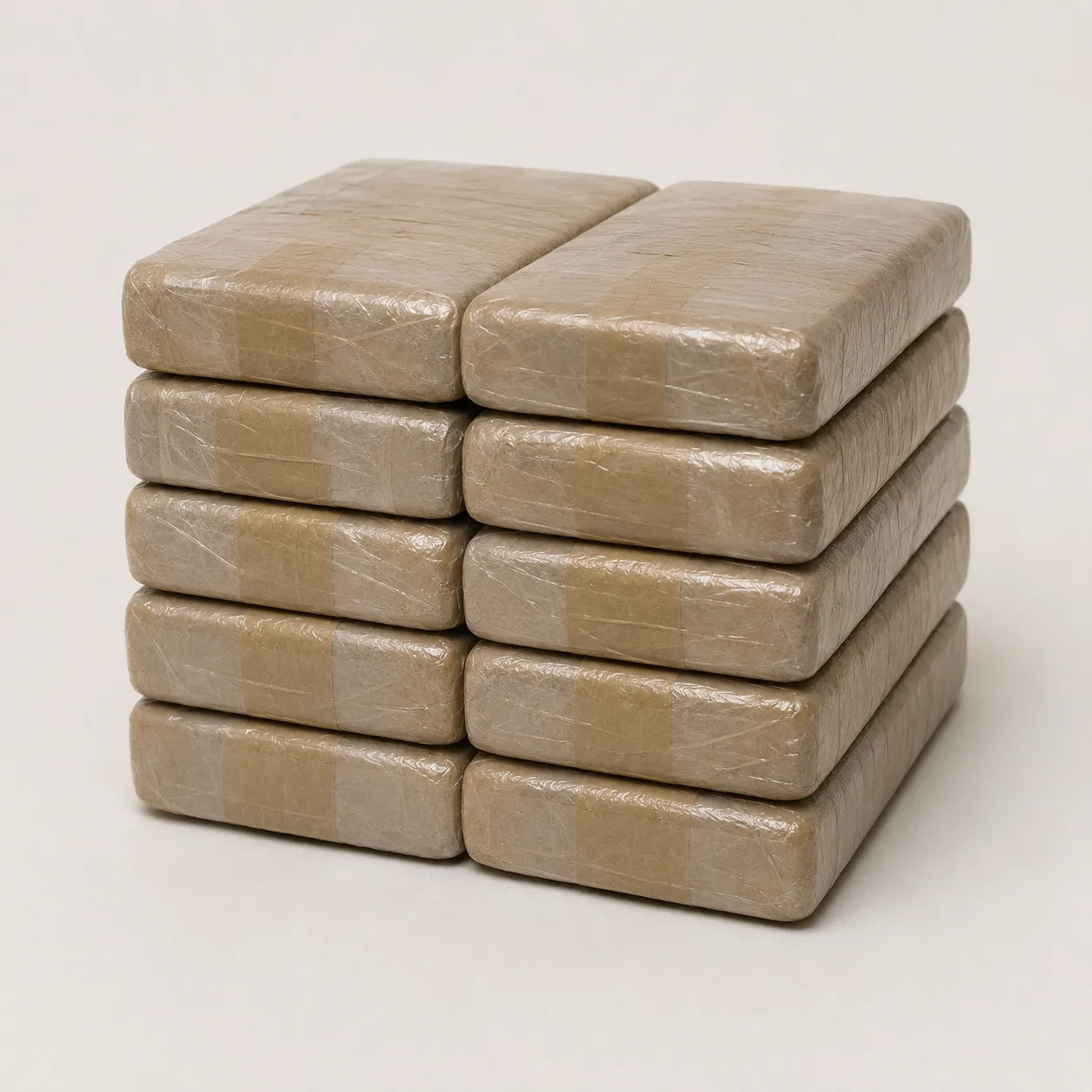
- Sebola, a Directorate for Priority Crime Investigation (Hawks) investigator, testified on 8 June 2026 about the July 2021 Aeroton bust in which police recovered roughly 715kg of cocaine, valued in reporting at about R286m to R300m.
- He told the commission he took command of the disorganised scene and arrested two SAPS members he alleged were caught trying to steal from the seizure.
- Sebola disputed any suggestion that Crime Intelligence's Maj-Gen Feroz Khan was in charge, alleging interference by Khan and an officer named Kadwa with both the scene and the later investigation - allegations that are untested and which Khan has not yet answered.
- He said a caller he understood to be Brigadier Shibiri asked whether there was an 'amicable solution', which he interpreted as pressure not to make the arrests and which he says he refused and escalated.
- Sebola linked the Aeroton operation, through intercepted WhatsApp messages and cellphone downloads, to the same cartel he associated with the stolen Durban-port consignment, and referenced a Transnet information leak.
- The commission confirmed it had summoned the suspended Maj-Gen Khan to give evidence from 1 July 2026 over what it described as very serious allegations, meaning his side of the account was still to be heard.
Full coverage
The day, in depth
Who commanded Aeroton
IOL reported that Sebola told the commission top officers Khan and Kadwa were accused of interfering in the R300m Aeroton bust, and that he - not Khan - ran the scene. The framing matters because command of the scene bears directly on who controlled the seized drugs and the arrests that followed. The claims against Khan and Kadwa are allegations that remain to be tested.
The 'amicable' call
Multiple outlets reported Sebola's account that a senior officer he understood to be Brigadier Shibiri phoned while suspects were under arrest and asked for an 'amicable solution', which he read as a request not to proceed. He said he refused. The exchange, as reported, is his version and has not been confirmed by the officer named.
'Mission impossible' and a cartel thread
Daily Maverick reported Sebola tied the Aeroton haul, via intercepted messages and phone downloads, to the syndicate behind the stolen Durban-port consignment, and to an alleged Transnet information leak. The reporting cast Aeroton not as an isolated bust but as one node in a larger trafficking and interference network still being mapped by the inquiry.
In their words
Key moments from the record
“amicable solution”
Our analysis
The bottom line
Sebola's evidence is among the more concrete interference allegations the inquiry has heard, because it pairs a named chain of alleged pressure - a call for an 'amicable solution', disputed command of the scene - with a claim of corroborating digital evidence in intercepted messages and phone downloads. If that material exists and holds up, it moves the Aeroton story from he-said contestation toward something documentary. But that is precisely the test still ahead: the commission has heard the investigator's characterisation of the messages, not the messages themselves subjected to scrutiny, and an investigator recounting his own conduct has an obvious interest in casting it favourably.
The fairness caveat is significant. Khan and Kadwa are the subjects of serious allegations they have not yet had the chance to answer, and the inquiry itself has scheduled Khan's evidence for July - an implicit acknowledgement that Day 115 is one side of a contested account. The presumption of innocence applies squarely to every officer Sebola named. What the day usefully established is the shape of the dispute - command, the 'amicable' approach, and the alleged cartel link to the Durban consignment - and a clear list of questions that only the accused officers' own testimony, and the underlying data, can resolve.
Analysis is the archive’s own comment on the public proceedings, grounded in the record above. It weighs the evidence and the process; questions of individual guilt are for the courts and the commission to decide. Everyone named is presumed innocent.
On the record
Who testified this day
Follow the threads
Who Lieutenant Colonel Nkoana Joseph Sebola connects to
Warrant Officer Marumo Magane
Sebola arrested Magane at Aeroton; it was during that arrest that Magane handed him the phone with the caller asking him to resolve the bust 'amicably'.
View profile →Named in IPID's probeZelda Maphosho
Maphosho ran the IPID investigation whose complaint named Sebola among the accused officers; he told the commission its report ignored his forensic evidence.
View profile →Disputed who controlled the sceneMajor-General Feroz Khan
Sebola told the commission he, not Crime Intelligence's Maj-Gen Feroz Khan, was in command of the Aeroton scene, and that Khan's involvement was 'unusual' - testimony the summoned Khan is yet to answer.
View profile →Alleged interference callMajor-General Richard Shibiri
Sebola said a caller who named himself as Brigadier Shibiri asked him to resolve the bust 'amicably'; he refused and escalated it. Maj-Gen Richard Shibiri, later dismissed from SAPS over his Matlala ties, is the prominent officer of that surname before the commission.
View profile →Same investigationWitness I
Both Hawks officers gave evidence on the Aeroton cocaine bust and alleged senior-officer interference in how it was handled.
View profile →Same investigationSamuel Mashaba
Sebola's evidence matched a 'General Mashaba of Hawks' contact in Tumelo Nku's saved screenshots to Mashaba by cellphone number.
View profile →Zoom out
Related case files
Aeroton cocaine bust
A cocaine seizure from Brazil, routed through Durban to Gauteng, compromised at the scene with R55 million later unaccounted for - and a forensic trail pointing to an organised syndicate with insiders at the port. One of two cocaine cases the commission ties to the same trafficking pattern.
Read the case file →Case file - Political interferenceKhan-Malema-Sayed network
A crime intelligence general, a cigarette businessman, and a political leader - the Nyatlo affidavit traces an alleged network of mutual protection spanning police contracts, parliamentary questions, and a private complainant's home address.
Read the case file →Case file · Drug seizuresPort Shepstone cocaine theft
How an estimated R200 million in cocaine, seized at South Africa's busiest port, disappeared from a police office that intelligence reports had flagged as unsafe years earlier - and the chain of officers the commission is now questioning.
Read the case file →Exhibits
Objects from this testimony
In the room & on the record
Counsel, the panel and sources
Evidence led by
On the panel
Sources
- IOL - Top cops Khan and Kadwa accused of interfering in Aeroton's R300m drug bust (8 Jun 2026) ↗
- Daily Maverick - 'Mission impossible' trafficking plus Transnet info leak linked to R286m cocaine (8 Jun 2026) ↗
- The Citizen - Feroz Khan told to appear before Madlanga commission amid interference claims ↗
- SABC News - Major-General Feroz Khan set to testify before Madlanga Commission ↗