Madlanga Commission hearing record
Day 2 of the Madlanga Commission
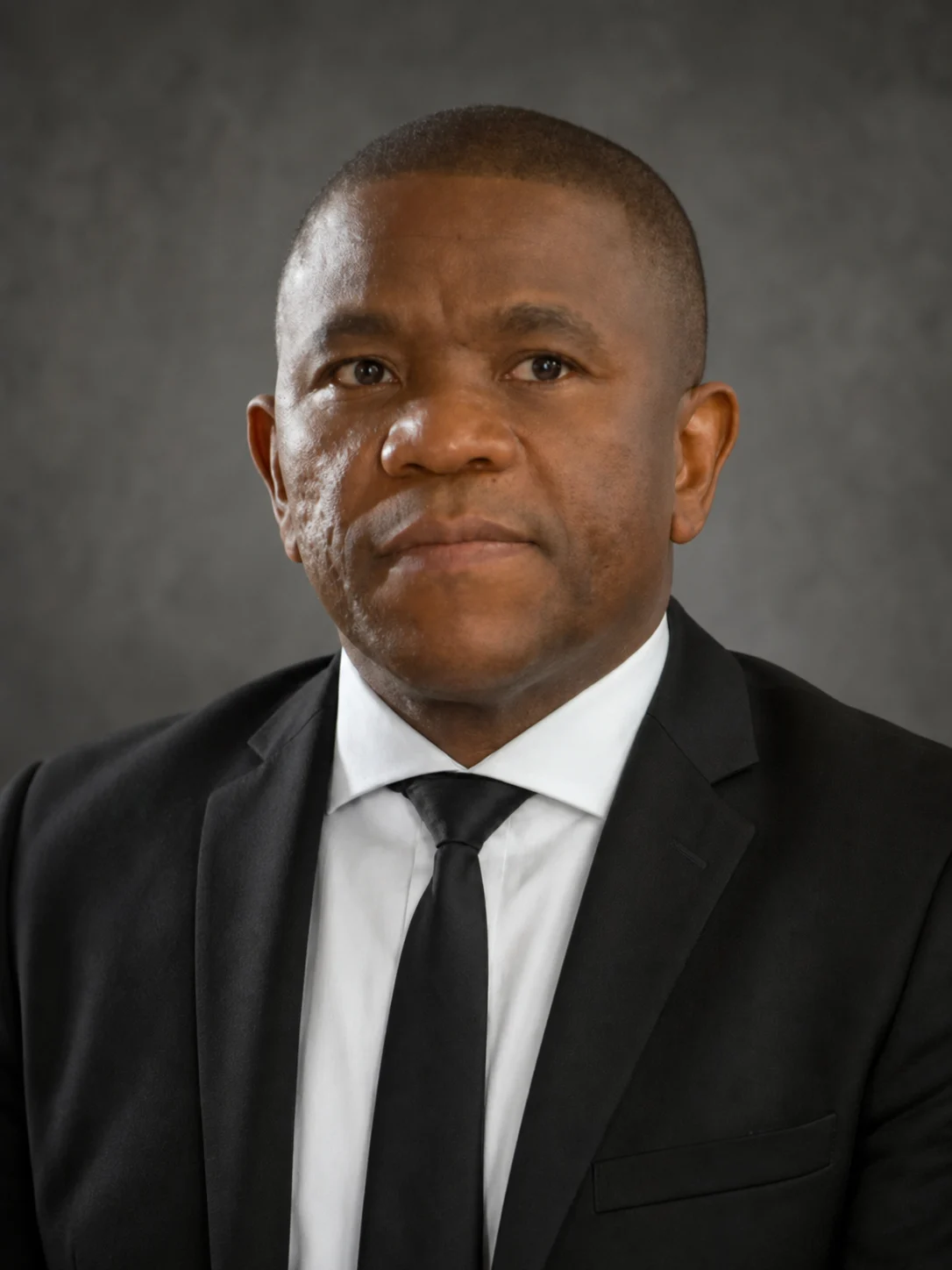
Witness: Lieutenant-General Nhlanhla Mkhwanazi
Evidence led by Advocate Mahlape Sello SC
Mkhwanazi's evidence continues into a second day. Having framed his central allegation of infiltration, he begins presenting the underlying material - documents, communications and reports - intended to establish that his July claims were more than assertion.
The day in brief
What you need to know
- Mkhwanazi moves from framing his allegations to substantiating them, presenting documents, communications and reports to the commission.
- He continues to build out the timeline around the disbandment of the KZN Political Killings Task Team.
- His evidence begins to sketch the alleged links between a Gauteng-based criminal network and figures inside the state.
- The testimony lays groundwork for later scrutiny of WhatsApp communications involving alleged cartel figure Vusimuzi 'Cat' Matlala.
- Evidence remains led by Advocate Mahlape Sello SC before chairperson Justice Madlanga.
Full coverage
The day, in depth
From allegation to evidence
As the Wikipedia record of the commission and Corruption Watch's first-week summary note, Mkhwanazi used his continued time in the chair to explain his allegations in full and to present the evidence he said he held, in the form of documents, communications and reports, to establish their veracity. This was the phase where the commission began to see the material behind the July headlines.
The shape of the alleged network
Daily Maverick's reporting on how Mkhwanazi's allegations reshaped the fight against organised crime described an alleged Gauteng-based cartel involved in drug trafficking, hijackings, tender fraud and contract killings. Mkhwanazi's testimony began connecting that network to individuals said to hold influence over parts of the state, a thread the commission would return to repeatedly.
Our analysis
The bottom line
The second day is where a commission of inquiry either gains traction or stalls. An accuser who cannot move beyond assertion invites the criticism that the whole exercise rests on one man's word. By tabling documents and communications, Mkhwanazi signalled that he intended his claims to be tested against a paper trail rather than left as testimony alone.
What is still notable this early is how much of the alleged architecture points outward to people not in the room. The named businesspeople and officials would each need their own opportunity to answer, and readers should treat the network Mkhwanazi described as an allegation being placed before the commission, not a finding it has made.
Analysis is the archive’s own comment on the public proceedings, grounded in the record above. It weighs the evidence and the process; questions of individual guilt are for the courts and the commission to decide. Everyone named is presumed innocent.
On the record
Who testified this day
Follow the threads
Who Lieutenant-General Nhlanhla Mkhwanazi connects to
Bheki Cele
Per Matlala's evidence on Day 167 the 15 April 2025 Umhlanga meeting with the KwaZulu-Natal provincial commissioner was set up by then police minister Bheki Cele. Mkhwanazi has given evidence of his own; Cele has not answered the account here. Untested; both presumed innocent.
View profile →The other side of the Sandhurst operationLieutenant General Seswantsho Godfrey Lebeya
The 6 December 2024 arrest of Katiso Molefe was carried out by the KwaZulu-Natal Political Killings Task Team, the unit at the centre of Mkhwanazi July 2025 allegations. On Day 168 the retired Hawks national head told the commission the Hawks presence at the scene was verification of an impostor report, not interference. Untested; no finding has been made.
View profile →Named as the go-between in an alleged bid to implicate himMavuso Ntandane
Lieutenant-Colonel Deena Govender told the commission on Day 164 that Ntandane, described as close to Senzo Mchunu, pressed him to give evidence naming Mkhwanazi as the source of instructions for the KwaZulu-Natal shootings. The allegation is untested.
View profile →Subject of his allegationsSenzo Mchunu
Mkhwanazi alleged Mchunu disbanded the political killings task team to shield politically connected interests.
View profile →Corroborated byLieutenant-General Fannie Masemola
National Commissioner Masemola's early testimony largely supported Mkhwanazi's account of the task-team disbandment.
View profile →Implicated in his evidenceLieutenant-General Shadrack Sibiya
Mkhwanazi named Sibiya among the senior officers he alleged interfered with investigations.
View profile →Named in his evidenceOupa 'Brown' Mogotsi
Mkhwanazi described Mogotsi as a conduit between the minister and an alleged cartel figure.
View profile →Distinct person, same surnameJulius Mkhwanazi
Frequently confused with him; Julius Mkhwanazi is the suspended EMPD deputy chief, an entirely different person.
View profile →Cited his prosecution as police infightingLieutenant-General Dumisani Khumalo
Returning on Day 138 (13 July 2026), Mkhwanazi told the commission IDAC was being used by senior police in internal fights and pointed to the criminal charge against the Crime Intelligence head. IDAC investigator Brian Padayachee disputed his account. Competing accounts on the record, not findings.
View profile →The IPID evidence returns to his provinceLen Barnabas John
The commission exists because of Mkhwanazi's July 2025 allegations about criminal infiltration of policing in KwaZulu-Natal. On Day 157 IPID's provincial investigations chief Len John gave the first sustained account of what SAPS task teams in that province have been doing, covering 149 deaths between April 2023 and 31 May 2026. Untested; no finding either way.
View profile →Meeting confirmed by Matlala, contents withheldVusimuzi 'Cat' Matlala
On Day 160 Matlala confirmed he had met Mkhwanazi - reportedly in 2025, about the Medicare24 contract and a warrant of arrest - but claimed the privilege against self-incrimination over what was discussed. Mkhwanazi has denied any improper relationship with Matlala; untested either way.
View profile →The man he accused of misusing Crime Intelligence materialFadiel Adams
In his September 2025 evidence Mkhwanazi alleged that MP Fadiel Adams had obtained Crime Intelligence information he was not entitled to and used it recklessly to pursue charges against members of the Political Killings Task Team. The commission's Rule 3 notice of 3 October 2025 asked Adams to answer those allegations; Adams gave evidence over Days 162 to 164 (19 to 21 August 2026), which was taken up with his correspondence, his credibility and the section 27 referral rather than the substance of Mkhwanazi's allegation. It remains unanswered on the record. Untested; both presumed innocent.
View profile →The acting national commissioner who is said to have demanded an explanation from himLieutenant-General Puleng Dimpane
Per the Sowetan, Govender testified on Day 170 that Dimpane gave Mkhwanazi seven days to explain his June 2026 Pretoria media briefing, held while Crime Intelligence head Lieutenant-General Dumisani Khumalo was reporting to Brooklyn police station on an IDAC warrant. An internal SAPS process described by a third party from the witness box. Untested, and no allegation of wrongdoing against either officer.
View profile →The officer who says he was pressured to implicate himLieutenant-Colonel Deenadayalan Govender
On Day 164 Lieutenant-Colonel Deenadayalan Govender, the Hawks officer at the centre of the KwaZulu-Natal task-team allegations, testified that he was approached and pressured to give evidence implicating Mkhwanazi, and that suspended Police Minister Senzo Mchunu instructed him on a call to tell the commission that the police shootings had been carried out on Mkhwanazi's instructions. On Day 170 he put the figure at 172 extra-judicial shootings, dated the meeting to 20 August 2026 and said he recorded it: 'I know the minister's voice, I know it was him.' He also testified that acting national commissioner Lieutenant-General Puleng Dimpane had given Mkhwanazi seven days to explain the June 2026 Khumalo briefing, and that Mkhwanazi told him 'you were not supposed to know about this'. Untested; Mchunu denies it and all named are presumed innocent.
View profile →In the room & on the record