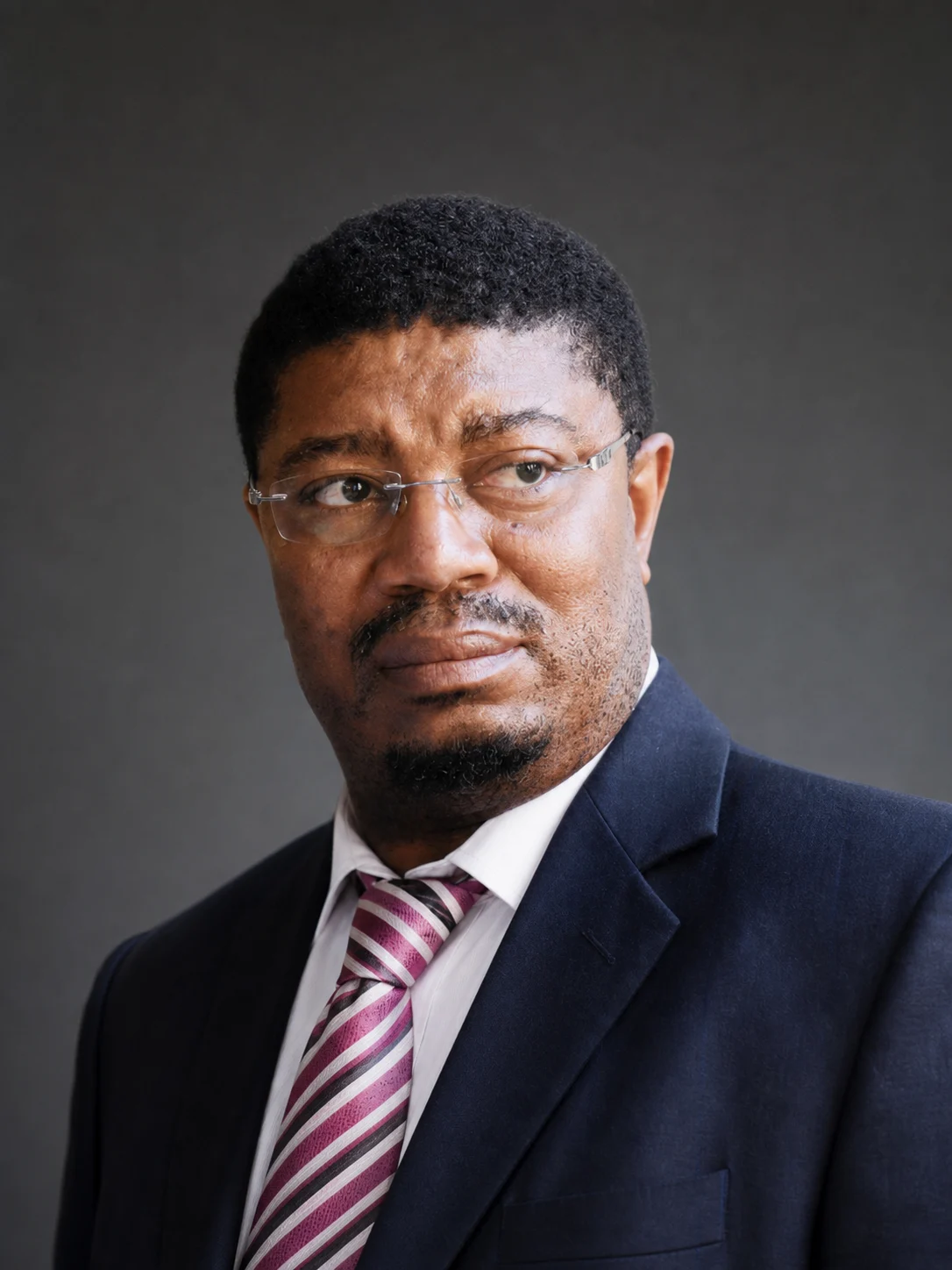
Head of investigations and operations, Investigating Directorate Against Corruption (IDAC) · Pretoria
Testified
IDAC's head of investigations and operations, formerly head of investigations at the Independent Police Investigative Directorate, who gave evidence to the Madlanga Commission on 6 August 2026 (Day 155) about how the directorate is actually run - and why the Crime Intelligence case did not pass through him. He told the commission he was abducted on 7 November 2025, assaulted and abandoned near Rabie Ridge in Midrand with his work cellphone and laptop taken, and returned to duty on 13 January 2026. On his return his authority had been substantially reduced: chief investigators no longer reported to him but directly to then IDAC head Advocate Andrea Johnson, and his responsibilities were cut back largely to administrative matters such as leave and travel. He no longer chairs the directorate's Operations Management Committee - 'a decision was made that the DDPPs would now chair that committee' - and said he was given no reason for the change. Asked why he had not intervened in the investigation of Lieutenant-General Dumisani Khumalo, he cited his experience at his previous employer, the kidnapping, and having been unlawfully charged himself, and said he did not 'impose himself' on the docket. Much of his evidence went to how IDAC selects the cases it takes and declines; the commission heard on the same day that IDAC's investigation manual had been approved rather than left in draft, and that the directorate has no clearly defined consequences for officials who fail to follow due process. On the strength of that week's evidence, chairperson Mbuyiseli Madlanga raised the prospect that the commission could recommend that IDAC be shut down. He is an official giving evidence, not an accused; his account is untested and everyone he names is presumed innocent.
Matthews SesokoMatthew SesokoIDAChead of investigationsIPIDMadlanga Commission
This profile summarises testimony and evidence given on the public record before the Madlanga Commission of Inquiry. It restates allegations as presented at the hearings and is not a finding of guilt, liability, or wrongdoing by any person.
Matthews Sesoko · Testified
Their role
What the record says
Abducted in November 2025, with his work phone and laptop taken
Sesoko told the commission he was abducted on 7 November 2025, assaulted and abandoned near Rabie Ridge in Midrand; his work cellphone and laptop were stolen. He returned to duty on 13 January 2026. The commission has made no finding about who abducted the head of investigations of the country's anti-corruption directorate, why, or what was on the devices taken from him.
Returned to a role stripped of authority
On his return in January 2026 he found that chief investigators no longer reported to him but directly to then IDAC head Advocate Andrea Johnson, and that his responsibilities had been reduced largely to administrative duties such as handling leave and travel matters. Untested; Johnson has not answered this from the stand and is presumed innocent.
Removed as chair of the Operations Management Committee
Sesoko told the commission he no longer chairs the directorate's Operations Management Committee: 'a decision was made that the DDPPs would now chair that committee.' He said he was given no justification for the change - a shift that moved control of operational decisions from the investigations side to the prosecuting side of the directorate. Untested.
Why he did not 'impose himself' on the Khumalo docket
Pressed on why he did not intervene in the investigation of Lieutenant-General Dumisani Khumalo, Sesoko gave three reasons: his experience at his previous employer, the kidnapping, and having been unlawfully charged himself. He said plainly of the directorate's decision-making: 'to be honest, sometimes the decisions that ID would take, I really wouldn't understand them.' Untested.
The manual was approved, not a draft - and had no consequences attached
The commission heard on the same day that IDAC's investigation manual had in fact been approved and was not a draft, and that the directorate has no clearly defined consequences for officials who fail to follow due process. Advocate Andrea Johnson had put weight in her own evidence on the proposition that the directorate had no binding standard operating procedures. If the manual stands as approved, the question changes from whether rules existed to why approved rules were not followed. Untested.
“To be honest, sometimes the decisions that ID would take, I really wouldn't understand them.”
Matthews Sesoko, IDAC head of investigations and operations, to the Madlanga Commission (Day 155, 6 August 2026), explaining the inconsistency of his involvement across the directorate's cases. Untested.