Madlanga Commission hearing record
Day 155 of the Madlanga Commission
Witness: Matthews Sesoko
Evidence led by Advocate Pooe
IDAC's head of investigations describes being kidnapped, coming back to a job with the authority taken out of it - and Madlanga raises, for the first time, whether the directorate should exist at all.
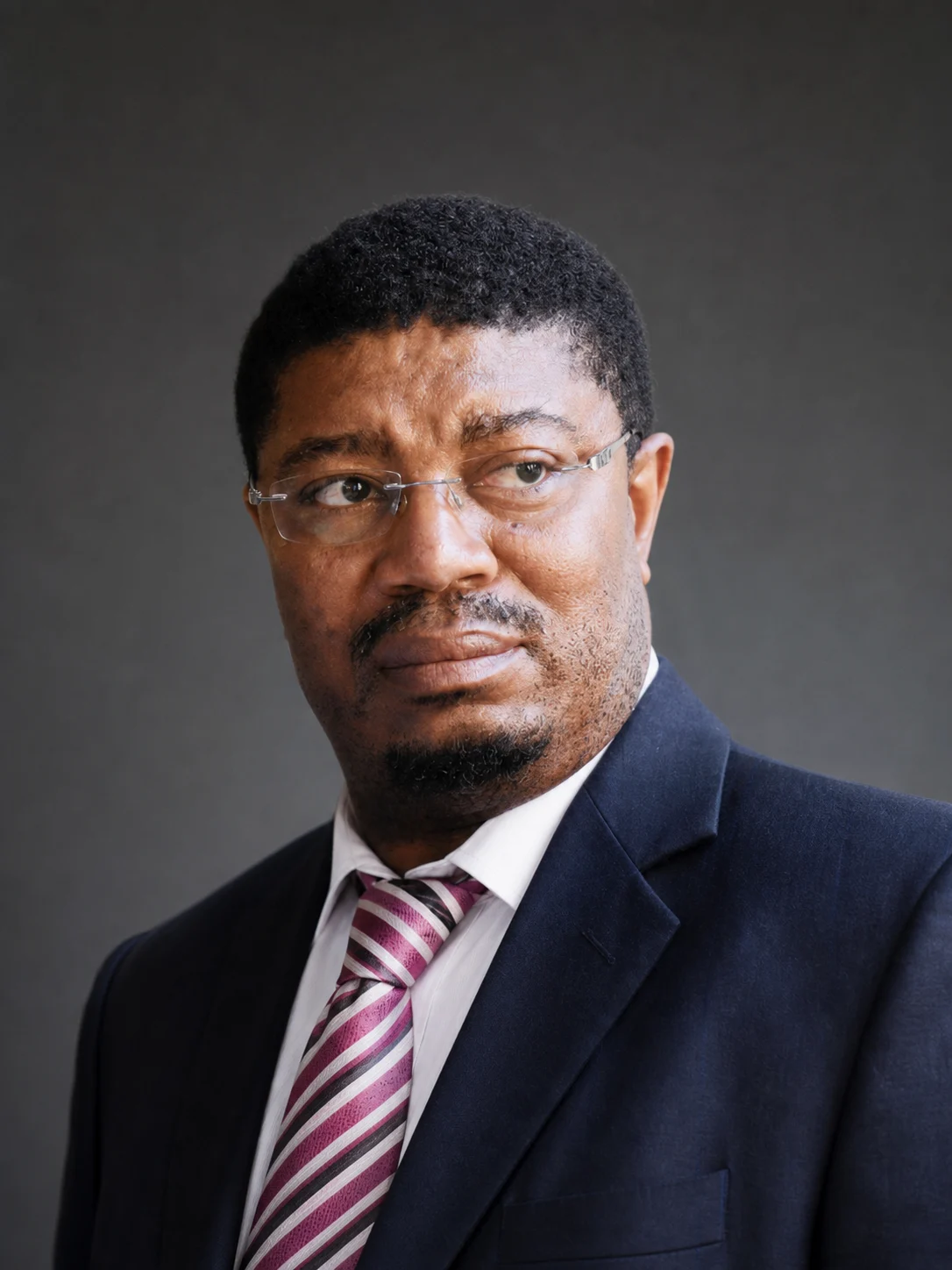
The day in brief
What you need to know
- Matthews Sesoko, IDAC's head of investigations and operations and formerly head of investigations at IPID, gave evidence about how the directorate is actually run.
- He was abducted on 7 November 2025, assaulted and abandoned near Rabie Ridge in Midrand, with his work cellphone and laptop taken; he returned to duty on 13 January 2026.
- On his return, chief investigators no longer reported to him but directly to then IDAC head Advocate Andrea Johnson, and his duties were reduced largely to administrative matters such as leave and travel.
- He no longer chairs the directorate's Operations Management Committee - 'a decision was made that the DDPPs would now chair that committee' - and said he was given no reason.
- Asked why he did not intervene in the Crime Intelligence investigation, he cited his experience at his previous employer, the kidnapping and having been unlawfully charged himself as reasons he did not 'impose himself' on the docket.
- The commission heard that IDAC's investigation manual had been approved rather than left in draft, contradicting earlier evidence that the directorate had no binding standard operating procedures.
- It also heard that IDAC has no clearly defined consequences for officials who fail to follow due process.
- On the strength of that week's evidence, chairperson Mbuyiseli Madlanga raised the prospect that the commission could recommend that IDAC be shut down.
Full coverage
The day, in depth
The man who should have been in charge of the investigations
Sesoko's title is head of investigations and operations at the Investigating Directorate Against Corruption. On the organogram, the Crime Intelligence investigation ran through him. His evidence was largely an explanation of why, in practice, it did not. He described a directorate in which the chief investigators who built the case reported past him and directly to the head, in which he no longer chaired the committee that manages operations, and in which his own duties had contracted to leave forms and travel approvals. Whatever the commission ultimately makes of that, it answers a question the panel had been asking for weeks: if the case was as badly founded as the directorate's own prosecutors now say, where was the head of investigations? On his account, he had been moved out of the way of it.
The kidnapping
The removal of his authority coincided with an event that has had little public attention. Sesoko told the commission he was abducted on 7 November 2025, assaulted, and abandoned near Rabie Ridge in Midrand; his work cellphone and laptop were taken. He returned to duty on 13 January 2026, and it was on his return that he found chief investigators reporting elsewhere and his responsibilities reduced. The commission has not made any finding about who abducted the head of investigations of the country's anti-corruption directorate, or why, or what was on the devices taken from him. It is a fact on the record with an obvious gap behind it.
Why he did not step in
Pressed on why he did not intervene in the investigation of Lieutenant-General Dumisani Khumalo, Sesoko gave three reasons: what he had experienced at his previous employer, the kidnapping, and having been unlawfully charged himself. He said he did not 'impose himself' on the docket. He also gave the commission a line that captures the governance problem more economically than any of the week's documents: 'To be honest, sometimes the decisions that ID would take, I really wouldn't understand them.' It is the head of investigations saying he did not understand his own directorate's decisions.
The manual that was not a draft
The other significant piece of the day was documentary. Across her six days of evidence, Advocate Andrea Johnson had put weight on the proposition that the directorate had no binding standard operating procedures in place. The commission heard on Day 155 that IDAC's investigation manual had in fact been approved and was not a draft. If that stands, the frame changes: the question stops being whether rules existed and becomes why approved rules were not followed. The evidence also established that IDAC has no clearly defined consequences for officials who fail to follow due process - an approved manual with nothing behind it.
Madlanga raises closure
On the strength of that week's evidence, chairperson Mbuyiseli Madlanga raised for the first time the possibility that the commission could recommend that IDAC be shut down entirely. It is not a ruling and it is not a recommendation; it is a chairperson putting the most drastic available option on the table in open session. Justice Minister Mmamoloko Kubayi has publicly rejected calls to disband the directorate, saying they are 'without foundation and cannot be supported', and has instead put IDAC through a six-month reset with skills and lifestyle audits of all 212 employees due by 14 August 2026.
In their words
Key moments from the record
“To be honest, sometimes the decisions that ID would take, I really wouldn't understand them.”
“A decision was made that the DDPPs would now chair that committee.”
Our analysis
The bottom line
Days 153 and 154 were about people who said the case was wrong. Day 155 is about the structure that let it happen anyway. Sesoko's evidence is less dramatic than a recording or a suspect list on a coloured sheet, and it may matter more, because it describes the mechanism: reporting lines that bypass the head of investigations, a committee chaired by prosecutors rather than investigators, an approved manual with no consequence attached to breaching it.
The kidnapping sits awkwardly in the middle of that and the commission has not resolved it. A senior anti-corruption official was abducted, assaulted and relieved of his work phone and laptop; when he came back his authority had been redistributed. The archive records that as two adjacent facts, because that is all the evidence currently supports.
Madlanga's remark about closing IDAC is the marker of how far this arc has travelled. A commission established to examine whether syndicates infiltrated the criminal justice system has spent a month on the body created to prosecute exactly that, and its chairperson has now said out loud that the body may not be worth keeping. The Justice Minister disagrees. Neither position is a finding, and everyone named is presumed innocent.
Analysis is the archive’s own comment on the public proceedings, grounded in the record above. It weighs the evidence and the process; questions of individual guilt are for the courts and the commission to decide. Everyone named is presumed innocent.
On the record
Who testified this day
Follow the threads
Who Matthews Sesoko connects to
Advocate Andrea Johnson
Sesoko testified that after his return to duty in January 2026 the chief investigators reported directly to Johnson rather than to him and that his own duties were reduced to administrative matters. Johnson has not answered this from the stand; untested, both presumed innocent.
View profile →The docket he did not intervene inLieutenant-General Dumisani Khumalo
Sesoko explained to the commission why he did not 'impose himself' on the Crime Intelligence investigation, citing his experience at his previous employer, his abduction and having been unlawfully charged himself. The NPA provisionally withdrew the charges against Khumalo on 27 July 2026. Untested; both presumed innocent.
View profile →In the room & on the record
Counsel, the panel and sources
Evidence led by
On the panel
Sources
- The Citizen - Madlanga commission hears Idac's head of investigations lost powers after kidnapping (6 Aug 2026) ↗
- Sowetan - Sesoko tells Madlanga why he didn't 'impose' himself in Khumalo's case (6 Aug 2026) ↗
- EWN - Madlanga Commission hears IDAC lacks clear consequences for procedural failures (6 Aug 2026) ↗
- SABC News - Madlanga Commission hears IDAC manual was approved, not a draft ↗
- SABC News - IDAC DDPP responsible for proposing investigation team: Sesoko ↗
- IOL - Madlanga raises prospect of shutting down IDAC after damning evidence against the unit (7 Aug 2026) ↗
- eNCA - Kubayi dismisses calls to disband IDAC ↗