Madlanga Commission hearing record
Day 4 of the Madlanga Commission
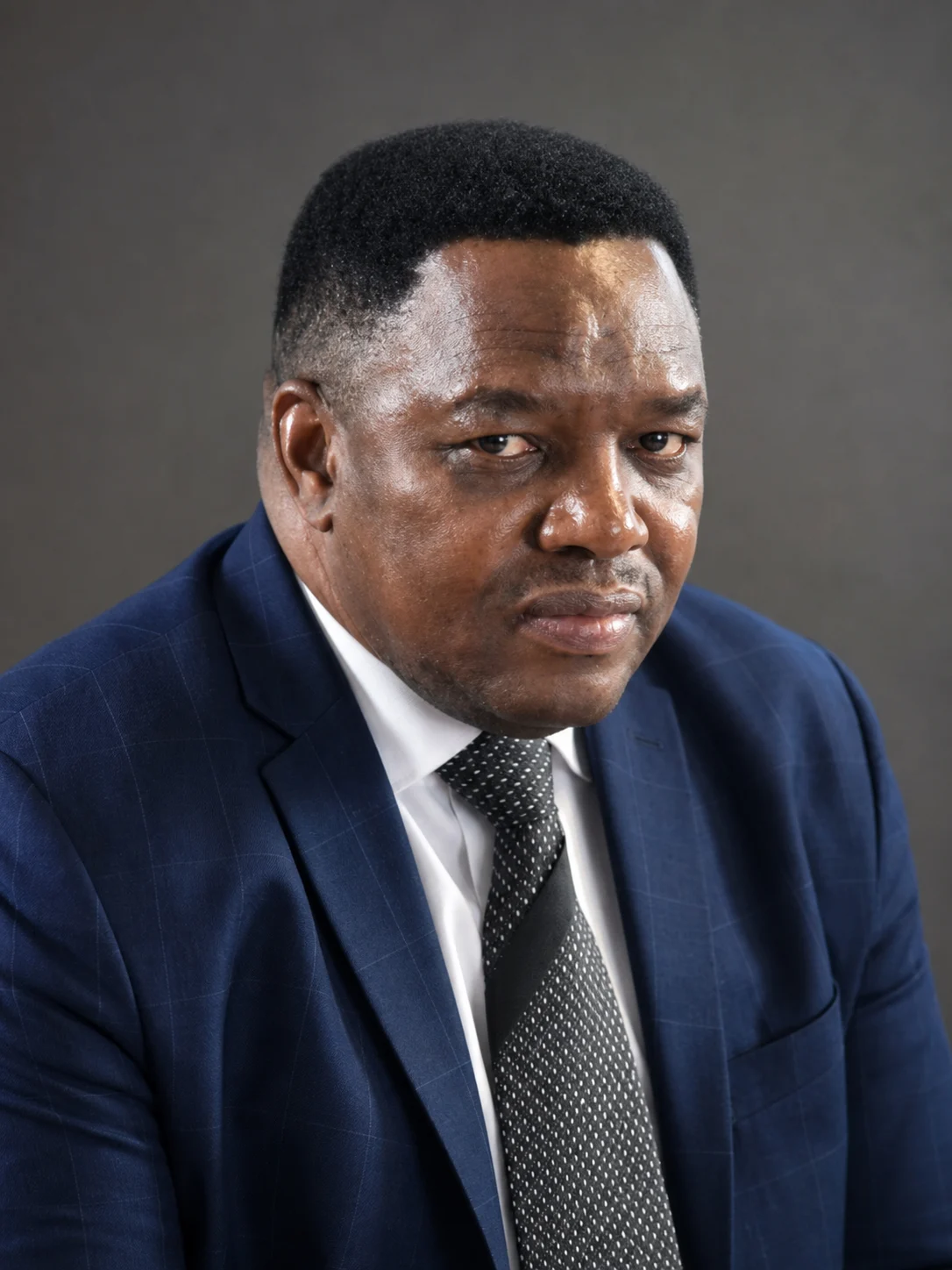
Witness: Lieutenant-General Fannie Masemola
Evidence led by Advocate Terry Motau SC, Advocate Lee Segeels-Ncube
The head of the South African Police Service takes the stand. National Commissioner General Fannie Masemola gives evidence that, in large part, corroborates Mkhwanazi's account - most pointedly on how and why the Political Killings Task Team was disbanded.
The day in brief
What you need to know
- SAPS National Commissioner Fannie Masemola testifies, with his evidence largely corroborating Mkhwanazi's earlier claims.
- Masemola describes how the KZN Political Killings Task Team was formed and how it came to be disbanded.
- He characterises then minister Senzo Mchunu's order for immediate disbandment as an encroachment on the national commissioner's constitutional mandate.
- He tells the commission he informed President Ramaphosa about Mchunu's attempt to disband the task team.
- His validation, coming from the head of the SAPS, elevates Mkhwanazi's concerns from a political disagreement toward an institutional position.
- Commissioners noted points where Masemola's statements appeared contradictory, which evidence leaders probed.
Full coverage
The day, in depth
The commissioner corroborates
News24 and Corruption Watch's week-two wrap reported that Masemola gave evidence on 22 September 2025 in Pretoria and that his submission largely backed Mkhwanazi's initial claims. Because the corroboration came from the national commissioner himself, commentators described it as pivotal, moving the dispute over the task team from contested politics toward accepted fact among senior police leadership.
'Encroachment' on the mandate
According to EWN and IOL, Masemola told the commission that Mchunu's order for the immediate disbandment of the PKTT intruded on his own constitutional powers as national commissioner. He said he had informed President Ramaphosa about the minister's attempt to disband the unit. Mchunu is suspended and has not been convicted of any offence; he is entitled to respond to these allegations.
Contradictions probed
EWN reported that the commission was left baffled by some of Masemola's statements, which appeared to contradict one another, and that evidence leaders pressed him on the inconsistencies. The exchanges underlined that corroboration of Mkhwanazi did not mean Masemola's own account went unchallenged.
In their words
Key moments from the record
“totally encroachment into the mandate of the national commissioner in terms of performance of my duty”
Our analysis
The bottom line
Masemola's appearance was the moment the commission's central allegation stopped being one man's account. When the national commissioner of police tells a judicial inquiry that a minister's instruction encroached on his constitutional mandate, and that he took his concerns to the president, the disbandment of the task team can no longer be dismissed as an internal disagreement.
At the same time, the day showed why corroboration is not the same as vindication. The commission openly noted contradictions in Masemola's evidence, and evidence leaders pressed them. A witness can strengthen the broader narrative while still leaving genuine questions about the reliability of specific claims, and the inquiry is entitled to weigh both.
Nothing at this stage amounts to a finding of wrongdoing against Mchunu or anyone else named. Masemola offered his interpretation of the law and his recollection of events; the minister and other officials retain the presumption of innocence and the right to give their own version before the commission draws conclusions.
Analysis is the archive’s own comment on the public proceedings, grounded in the record above. It weighs the evidence and the process; questions of individual guilt are for the courts and the commission to decide. Everyone named is presumed innocent.
Follow the threads
Who Lieutenant-General Fannie Masemola connects to
Lieutenant-General Nhlanhla Mkhwanazi
Masemola's early testimony largely supported Mkhwanazi's account of how the task team was disbanded.
View profile →Said the minister encroached on his mandateSenzo Mchunu
Masemola testified that Mchunu's disbandment directive intruded on the National Commissioner's operational control.
View profile →Testified he was to be trapped into perjuryAdvocate Drushantha Ramsamy
On Day 154 the IDAC state advocate testified that then IDAC head Advocate Andrea Johnson instructed the team to keep Masemola ignorant of several investigations so that he would give Parliament's portfolio committee on police a false account and could then be charged with perjury - 'we should let him lie at the portfolio committee' - and confirmed to Commissioner Advocate Sandile Khumalo SC that this amounted to a set-up. Untested; all named presumed innocent.
View profile →The watchdog who recommended charges against himImtiaz Fazel
Before his own suspension the Inspector-General of Intelligence recommended disciplinary and criminal charges against Masemola and Crime Intelligence head Lieutenant-General Dumisani Khumalo over five properties bought by Crime Intelligence for more than R120 million in 2023 and 2024. A watchdog recommendation, not a charge and not a finding; Masemola is presumed innocent.
View profile →The officer acting in his postLieutenant-General Puleng Dimpane
When Ramaphosa suspended Masemola on 23 April 2026 he appointed the SAPS chief financial officer, Lieutenant-General Puleng Dimpane, as Acting National Commissioner. She has held the post through every sitting day of this commission since. Her appointment carries no implication about the charges against Masemola, which are untested; he is presumed innocent.
View profile →In the room & on the record
Counsel, the panel and sources
Evidence led by
On the panel
Sources
- News24 - Madlanga commission: 10 explosive revelations from Masemola's testimony (22 Sep 2025) ↗
- MDNtv - Madlanga Commission Day 4: Fannie Masemola reveals how the Political Killings Task Team was formed (Sep 2025) ↗
- EWN - Madlanga Commission left baffled by some of Masemola's contradictory statements (22 Sep 2025) ↗