Madlanga Commission hearing record
Day 5 of the Madlanga Commission
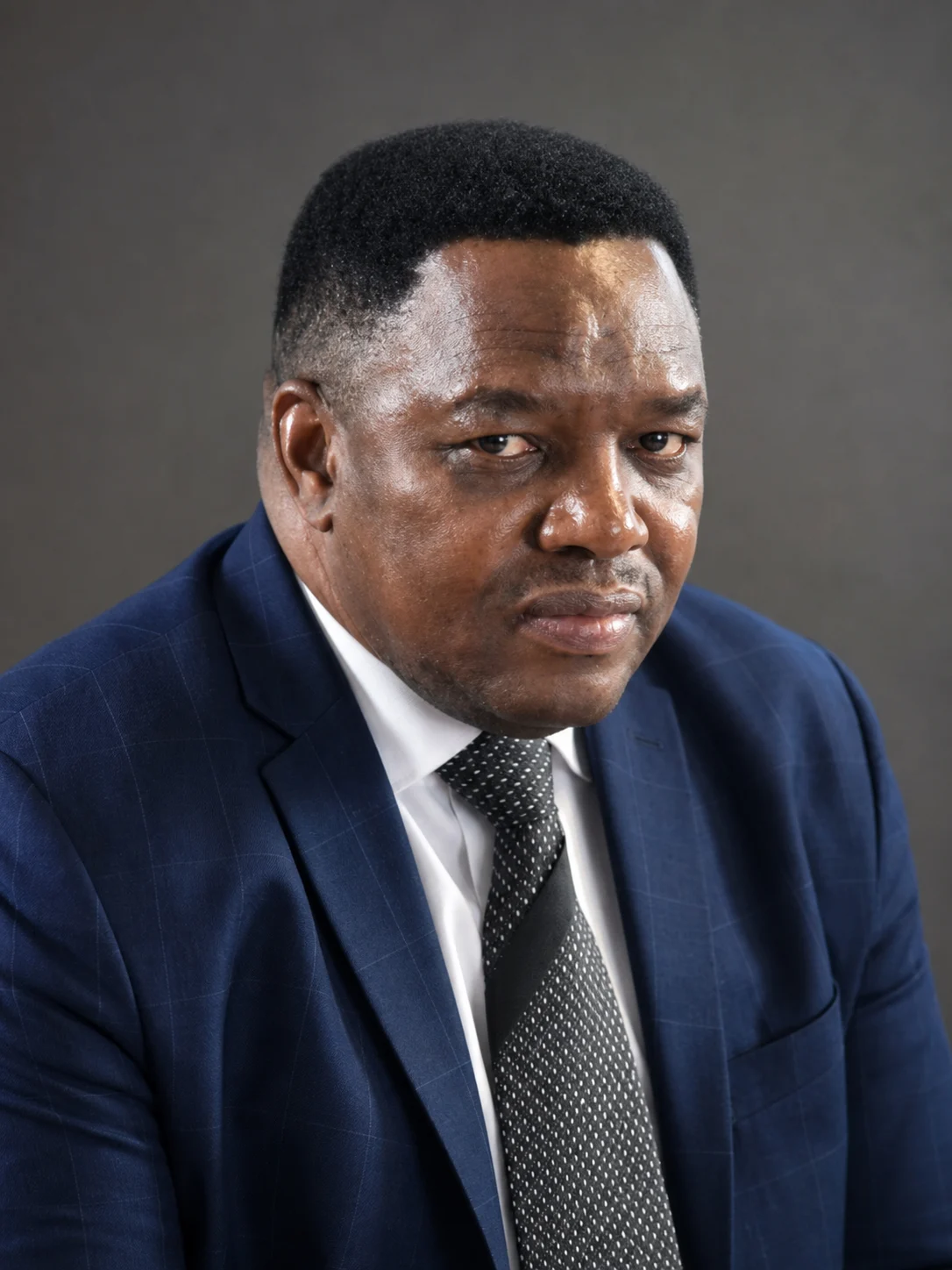
Witness: Lieutenant-General Fannie Masemola
Evidence led by Advocate Terry Motau SC, Advocate Lee Segeels-Ncube
Masemola's evidence continues, turning to the detail of how the Political Killings Task Team was dismantled and to the chain of communication that followed. The exchanges grow tense as commissioners test his account against the record.
The day in brief
What you need to know
- Masemola gives further detail on the disbandment of the Political Killings Task Team and the events around it.
- He reiterates that he escalated Mchunu's disbandment order, including to President Ramaphosa.
- Tensions rise as the chairperson questions Masemola about Mchunu's alleged interference.
- The commission continues to test apparent contradictions in the national commissioner's evidence.
- His two days of testimony leave the PKTT dispute firmly on the record as the inquiry's opening fault line.
Full coverage
The day, in depth
The dismantling, in detail
IOL reported on 23 September 2025 that tensions rose as Masemola set out the details of how the Political Killings Task Team was disbanded. His account traced the instruction, his objections and the steps he said he took in response, filling in the mechanics behind the previous day's headline claim of ministerial overreach.
Escalating to the president
EWN reported that Masemola told the commission he had informed President Ramaphosa about Mchunu's attempt to disband the task team. The Citizen captured the tenor of the questioning, noting an exchange in which Masemola remarked that 'life goes on' as Madlanga pressed him on Mchunu's alleged interference. Mchunu, suspended, has not been found guilty of any wrongdoing.
Our analysis
The bottom line
The second Masemola day fleshed out the how behind the what. Establishing that a minister issued the order was one thing; walking the commission through the sequence of objection and escalation is what turns a claim of interference into something the inquiry can actually adjudicate against documents and dates.
The rising tension in the room was not incidental. When even a corroborating witness draws sharp questioning from the chairperson, it signals that the commission intends to hold every account to the same standard, regardless of whether it supports the opening narrative. That even-handedness is what will give the commission's eventual findings their credibility, and it is why nothing here should be read as a verdict against those named.
Analysis is the archive’s own comment on the public proceedings, grounded in the record above. It weighs the evidence and the process; questions of individual guilt are for the courts and the commission to decide. Everyone named is presumed innocent.
Follow the threads
Who Lieutenant-General Fannie Masemola connects to
Lieutenant-General Nhlanhla Mkhwanazi
Masemola's early testimony largely supported Mkhwanazi's account of how the task team was disbanded.
View profile →Said the minister encroached on his mandateSenzo Mchunu
Masemola testified that Mchunu's disbandment directive intruded on the National Commissioner's operational control.
View profile →Testified he was to be trapped into perjuryAdvocate Drushantha Ramsamy
On Day 154 the IDAC state advocate testified that then IDAC head Advocate Andrea Johnson instructed the team to keep Masemola ignorant of several investigations so that he would give Parliament's portfolio committee on police a false account and could then be charged with perjury - 'we should let him lie at the portfolio committee' - and confirmed to Commissioner Advocate Sandile Khumalo SC that this amounted to a set-up. Untested; all named presumed innocent.
View profile →The watchdog who recommended charges against himImtiaz Fazel
Before his own suspension the Inspector-General of Intelligence recommended disciplinary and criminal charges against Masemola and Crime Intelligence head Lieutenant-General Dumisani Khumalo over five properties bought by Crime Intelligence for more than R120 million in 2023 and 2024. A watchdog recommendation, not a charge and not a finding; Masemola is presumed innocent.
View profile →The officer acting in his postLieutenant-General Puleng Dimpane
When Ramaphosa suspended Masemola on 23 April 2026 he appointed the SAPS chief financial officer, Lieutenant-General Puleng Dimpane, as Acting National Commissioner. She has held the post through every sitting day of this commission since. Her appointment carries no implication about the charges against Masemola, which are untested; he is presumed innocent.
View profile →In the room & on the record
Counsel, the panel and sources
Evidence led by
On the panel
Sources
- IOL - Tensions rise as Fannie Masemola reveals details of how Political Killings Task Team was disbanded (23 Sep 2025) ↗
- EWN - Masemola tells Madlanga Commission that he informed Ramaphosa about Mchunu's attempt to disband Political Killings Task Team (23 Sep 2025) ↗
- The Citizen - Masemola says 'life goes on' as Madlanga asks about Mchunu's 'interference' (Sep 2025) ↗